 News
News
Trump Put the Arctic Refuge Up for Sale: Here’s the Stakes
May 11, 2026
On June 5, the administration plans to move forward with a new oil and gas lease sale in the Arctic National Wildlife Refuge. It’s a decision that, on its face, feels like a step backward—opening the door to industrial development in one of the most intact and ecologically important landscapes in the United States.
But let’s zoom out for a moment. Because yes, the Arctic Refuge is facing a single bad decision right now. But it has also been at the center of a decades-long effort to answer a much bigger question: What do we choose to protect, and why?
For more than 40 years, people all over the country have come together to defend the Refuge. Indigenous leaders, scientists, outdoor enthusiasts, veterans, faith communities, and everyday advocates have all played a role in shaping a shared understanding that this place absolutely cannot be measured in barrels of oil.
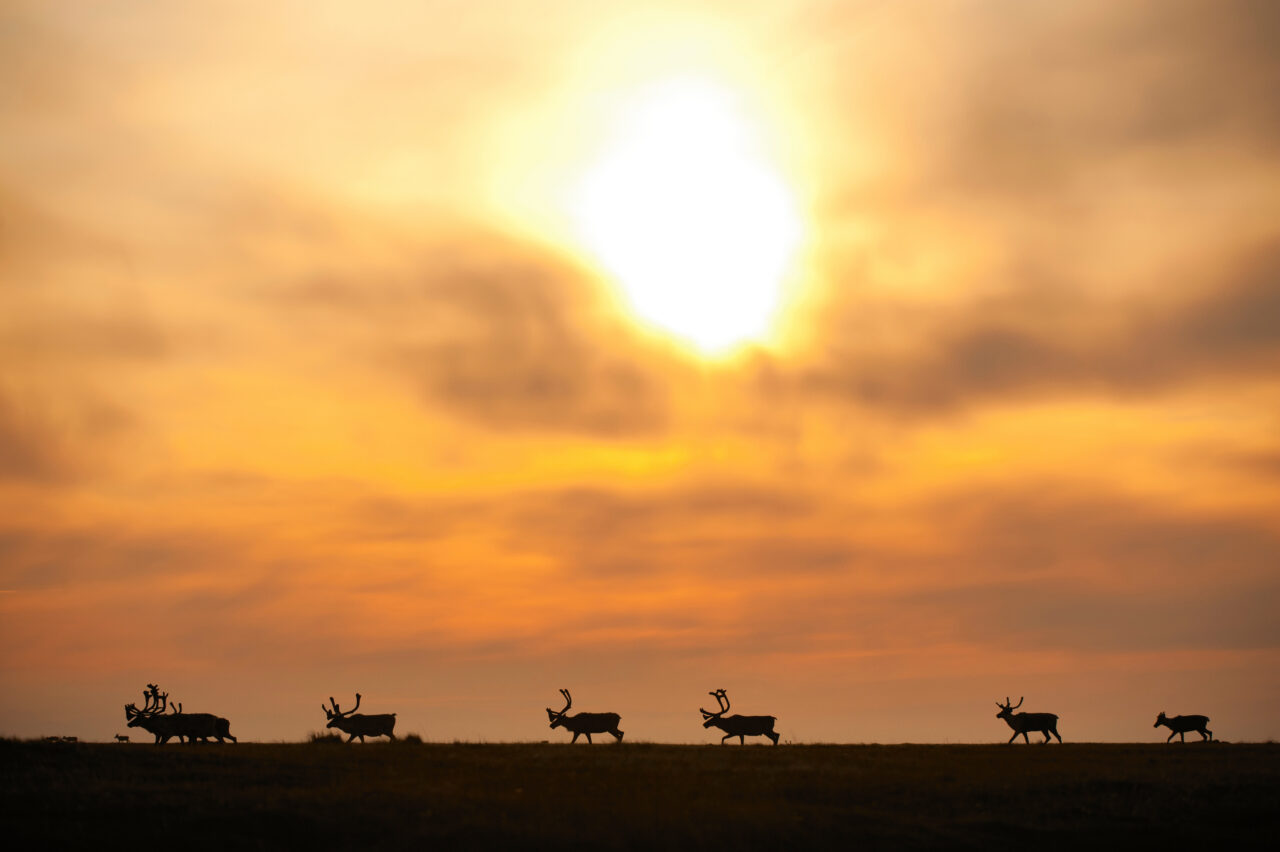
At the heart of the Refuge is the coastal plain, often described as its biological core. Each spring, the Porcupine Caribou herd migrates hundreds of miles to this narrow stretch of land to give birth, drawn by the conditions that have sustained them for generations. The Gwich’in people, whose culture and food security are deeply tied to the caribou, call this place “the sacred place where life begins.” Polar bears den along its coastline, while millions of migratory birds fan out from here to every corner of the country.
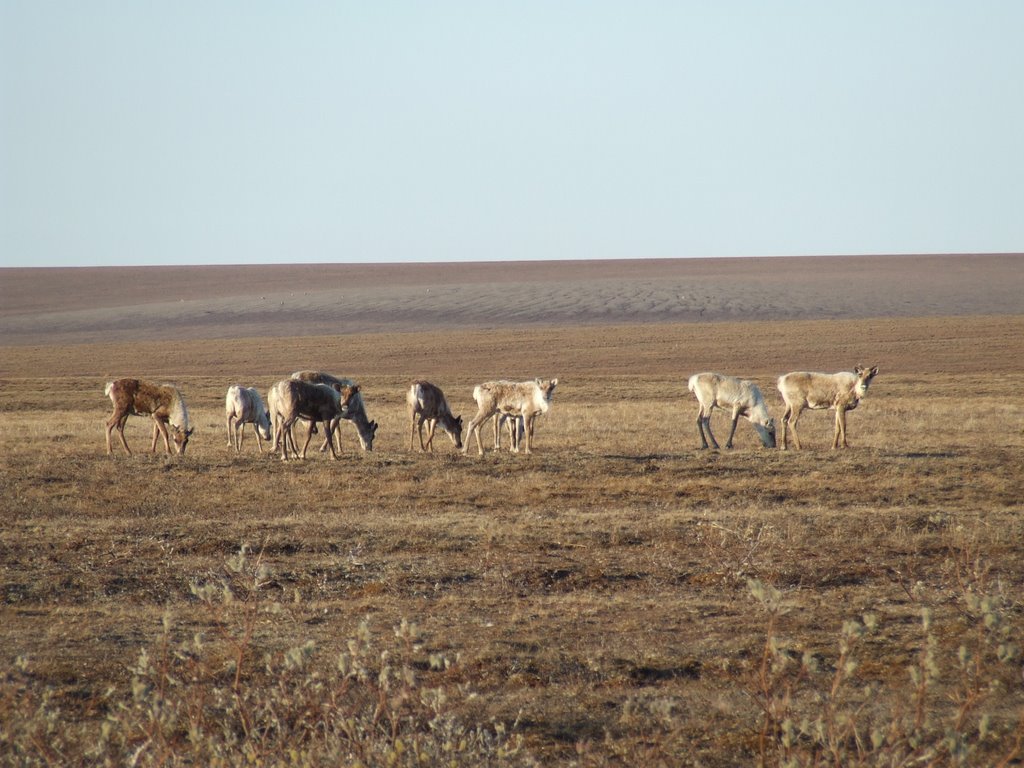
It’s a powerful reminder that even the most remote landscapes are connected to our daily lives in ways we don’t always see.
That’s why this year we’re asking people to take their advocacy beyond their backyards. You don’t have to live in Alaska—or ever set foot in the Arctic Refuge—to have a stake in what happens there. If you care about public lands, local communities, clean water, wildlife, and a stable climate, this fight is yours too. Decisions made about leasing in the Arctic don’t stay contained to one place; they shape how public lands are managed across the country. And we’re already seeing that ripple effect.
Just last week, protections for the Boundary Waters Canoe Area Wilderness were rolled back, opening the door to mining in one of the most beloved landscapes in the Lower 48. When an administration is willing to put a place as ecologically rich and culturally sacred as the Arctic Refuge on the table for drilling, it sends a clear signal: no place is off-limits.
Protecting the Arctic Refuge is about setting a standard for every wild place we value.
Efforts to industrialize the Refuge have consistently run into real-world barriers. Previous lease sales failed to generate significant interest from the oil and gas industry. Major financial institutions have pulled back from Arctic drilling, in a sign that they are aware of both economic and reputational risks. And as energy markets continue to evolve, the long-term viability of projects like this looks increasingly uncertain.
Which is to say, this push to lease the Refuge isn’t only at odds with public opinion, but also out of step with where the world is headed.
That doesn’t make the lease sale any less serious. But it does remind us that change is already emerging, and that sustained public pressure has played a meaningful role in getting us here.
For AWL, this moment is one chapter in a much longer story. For decades, we’ve worked alongside the Gwich’in people and partners across the country to protect the Refuge—through advocacy, education, and organizing that connects people to what’s at stake.
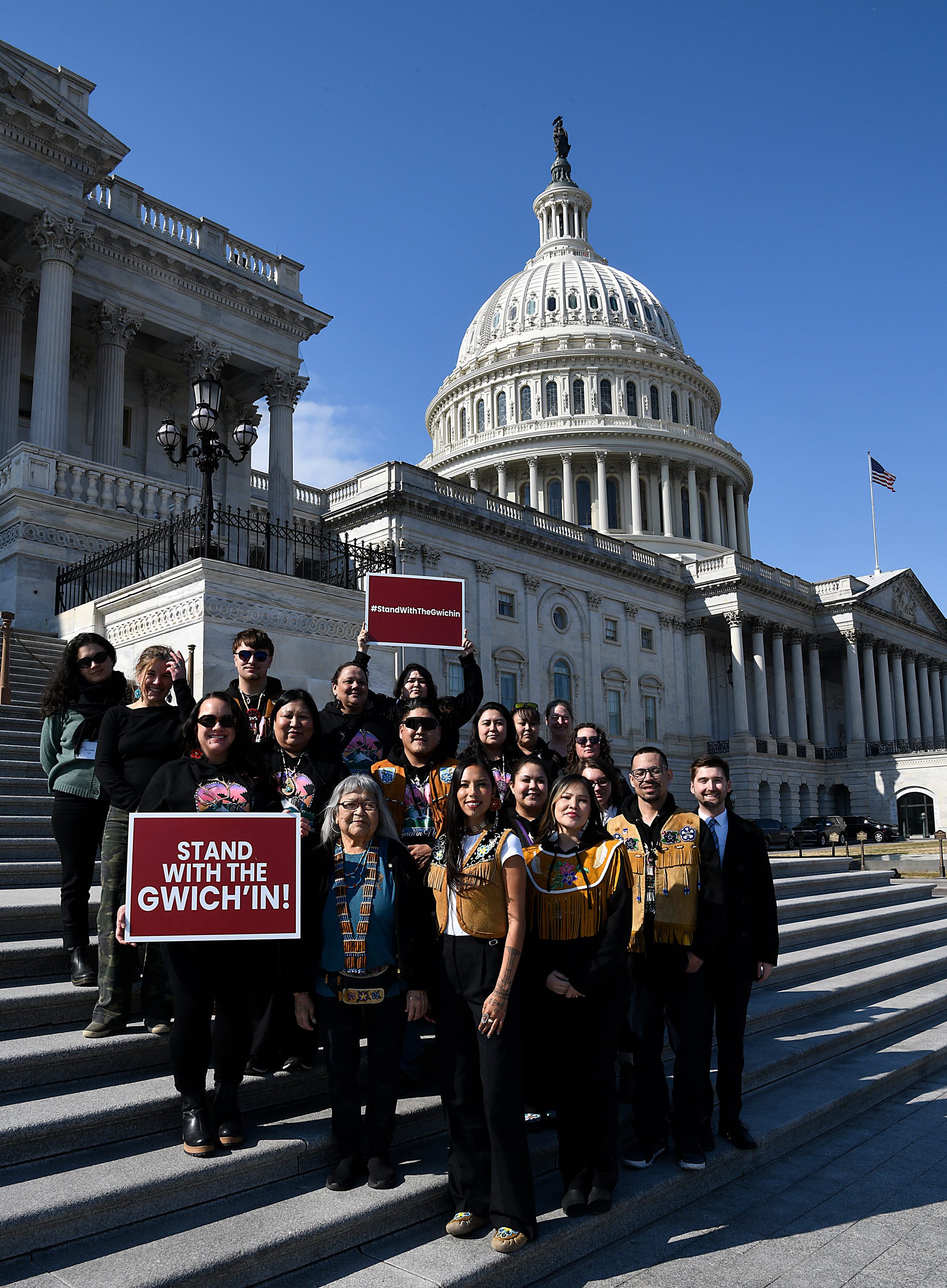
The upcoming lease sale is a reminder that progress isn’t always linear. Wins can be followed by setbacks, and protections can be challenged. But it’s also a reminder of how much has already been built: A broad, diverse movement that recognizes the Arctic Refuge is not a distant wilderness, but a shared responsibility.
So while June 5 may mark another attempt to open this landscape to drilling, it doesn’t define the outcome.
The future of the Arctic Refuge is still being written—by the people who care about it, speak up for it, and continue to show that some places are worth more than what can be extracted from them.
And that’s something worth holding onto.