 News
News
Staff Reflections: Visiting Arctic Village
December 18, 2025
“You’ve hit the record for the quickest turnaround to Arctic,” Kristen said as we boarded our D.C. plane bound for Fairbanks, and then even further north above the Arctic Circle. I was slightly panicked – but mostly excited. Before working at Alaska Wilderness League, I hadn’t been west of the Mississippi River.
I was about to travel 3,000 miles to one of the most profound experiences of my life.
Last month, I had the extraordinary honor with several other representatives from Alaska Wilderness League to attend a Gwich’in Gathering in Arctic Village – Vashrąįį Kʼǫǫ in Gwichʼin. The gathering was not typical, but rather an emergency hearing to address extreme threats to the Gwich’in way of life.
As the newest staff member at Alaska Wilderness League, I have spent the last 6 months getting caught up on just exactly how detrimental this administration and Congress have been for the Arctic National Wildlife Refuge. From day one, President Trump has made it his mission to open the Refuge to more drilling. This year, the Arctic National Wildlife Refuge has been attacked on multiple fronts in Washington, D.C., including the inclusion of four new mandated oil and gas lease sales in the Republican reconciliation bill, repeated announcements rescinding protections for the Refuge from the Trump administration, and the misuse of the Congressional Review Act to overturn the land management plan that governs the Coastal Plain. Taken together, these actions make clear that President Trump and his allies are intent on opening this iconic landscape to industrial development, despite repeated failures of past leasing efforts and lack of industry interest in this remote and special region.

It is one thing to talk about subsistence living; it is another thing to experience it. While my stay was brief, the Gwich’in were welcoming and incredible hosts. Approximately 10 minutes after my colleagues and I landed, we were already eating. The spread was reminiscent of a feast, including moose, caribou, bread, and microgreens that were harvested fresh. Every meal we had was like this one. When I walked around the village, I’d see hunters coming in with caribou as everyone wished them well. Sharing meals in the tribal hall and feeling the collective excitement when someone returned from a successful hunt underscored just how inseparable the Gwich’in are from the Porcupine Caribou.
The conversations we had throughout the week continued to demonstrate more viscerally the sacred relationship between the land and the Gwich’in. Elders opened the gathering and were treated with the utmost respect as the entire hall listened attentively. They shared deep historical context, and for me, it was both inspiring and educational to witness how long the Gwich’in have been fighting to protect their sacred land from threats in Washington DC. One thing I didn’t know much before this conversation was how the Gwich’in were nomadic people for most of their existence – meaning they moved with the land and the caribou. As the meetings progressed, younger members of the community chimed in with their concerns about what the future of traditional ways will look if development moves forward. Hunters expressed their concerns about how the caribou continue to move further away each year. The last day culminated in strategic discussions about how to carry the fight forward, from Washington to Arctic Village, grounded in the understanding that resistance endures no just through politics but also through storytelling and by living as the Gwich’in always have, in harmony with the land.

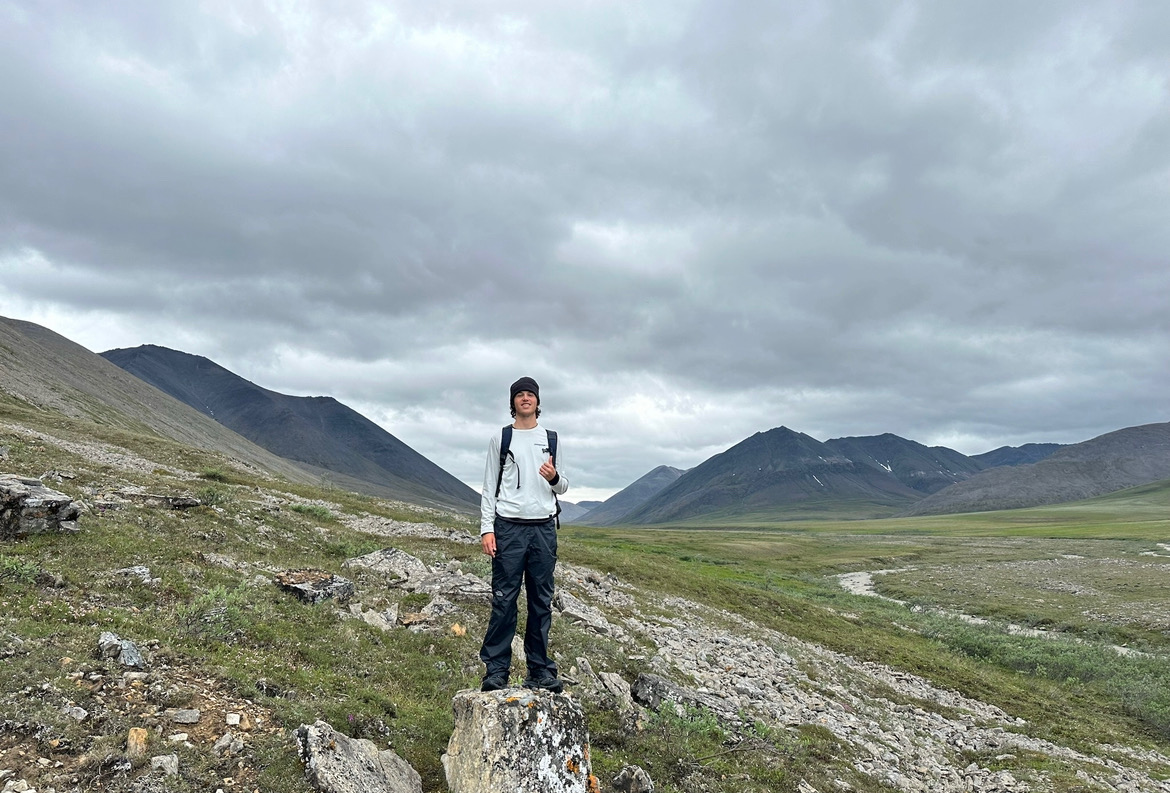
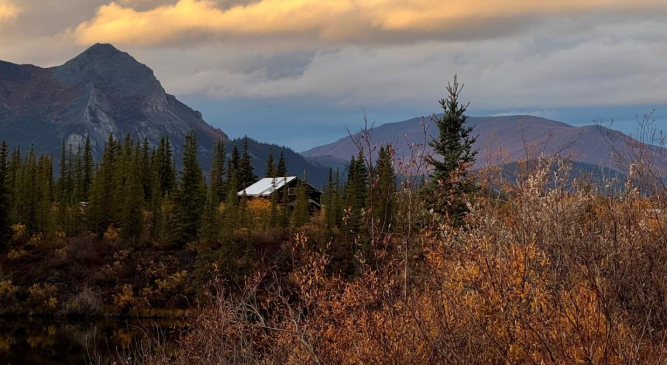
I also experienced some unforgettable moments with the land itself. I saw the Northern Lights for the first time and drank water straight from a nearby glacier runoff. The mountains stretched endlessly; it was easy to understand why this place holds such deep spiritual meaning. Standing in that vast landscape made my own humanity feel both small and deeply real and reminded me why our collective work this iconic landscape matters so much.
Outside of the meetings, I loved walking around the community. I was never without a ride on a four-wheeler if I wanted one. I often stopped to chat with Ben, who was preparing soup outside all week. Despite some of the solemn conversations happening, Ben always had the brightest smile, a steady stream of jokes, and a cup of tea to share. The Gathering was certainly not without joy: every night, we joined together in the tribal hall for fiddle dances that ran well into the early hours of the morning. While I would be well tired out by midnight after a day of meetings and planning, the Gwich’in would go well past two in the morning.
The Gwich’in in attendance decided to draft and each sign a community statement. A quote that resonated was; “The birthing grounds of the caribou is a place we refer to as Izhik Gwats’an Gwandaii Goodlit, the Sacred Place Where Life Begins. It is critical that we protect their entire habitat, including migratory routes and calving grounds.”
I’m deeply grateful for the opportunity to visit Arctic Village. The stories I heard and the people I met left a lasting impression, fueling my determination to advocate for this remarkable landscape in Washington.

Emma Powell joined Alaska Wilderness League as the Federal Advocacy Manager in April 2025. Prior to this role, she served the Biden-Harris Administration in the Office of the Secretary at the Department of the Interior. In this capacity, she worked closely with Secretary Deb Haaland and leadership staff on written materials covering the sweeping jurisdiction of the Department’s eleven bureaus—including issues affecting Alaska’s public lands. Before joining DOI, Emma was at a D.C.-based law firm, where she worked on Congressional Affairs efforts on a wide range of policy issues, including energy and public transit. She began her career on Capitol Hill with Congresswoman Lori Trahan (D-MA), who represents her hometown of Haverhill, Massachusetts, and later worked for Senator Jon Ossoff (D-GA). A first-generation college graduate, Emma earned her B.A. in History and Classics from the College of the Holy Cross. Outside of work, she teaches cycling classes around the DMV and enjoys spending time walking—whether exploring nature or heading to her favorite local coffee shop.