 News
News
Why You Can’t Just “Bid to Protect” the Arctic Refuge
May 14, 2026
Every time a lease sale looms over the Arctic, we hear a version of the same hopeful, persistent question: Why can’t Alaska Wilderness League—or everyday people—simply show up, bid on the land, and choose not to drill?
The answer reveals a system that is far less democratic than it should be—and far more focused on corporate profit than the public good.
Lease Sales Are Built for Extraction
Oil and gas lease sales on public lands are not open marketplaces. Lease sales are carefully constructed processes, governed by agencies like the Bureau of Land Management (BLM), and built from the ground up to serve the singular purpose of facilitating extraction.
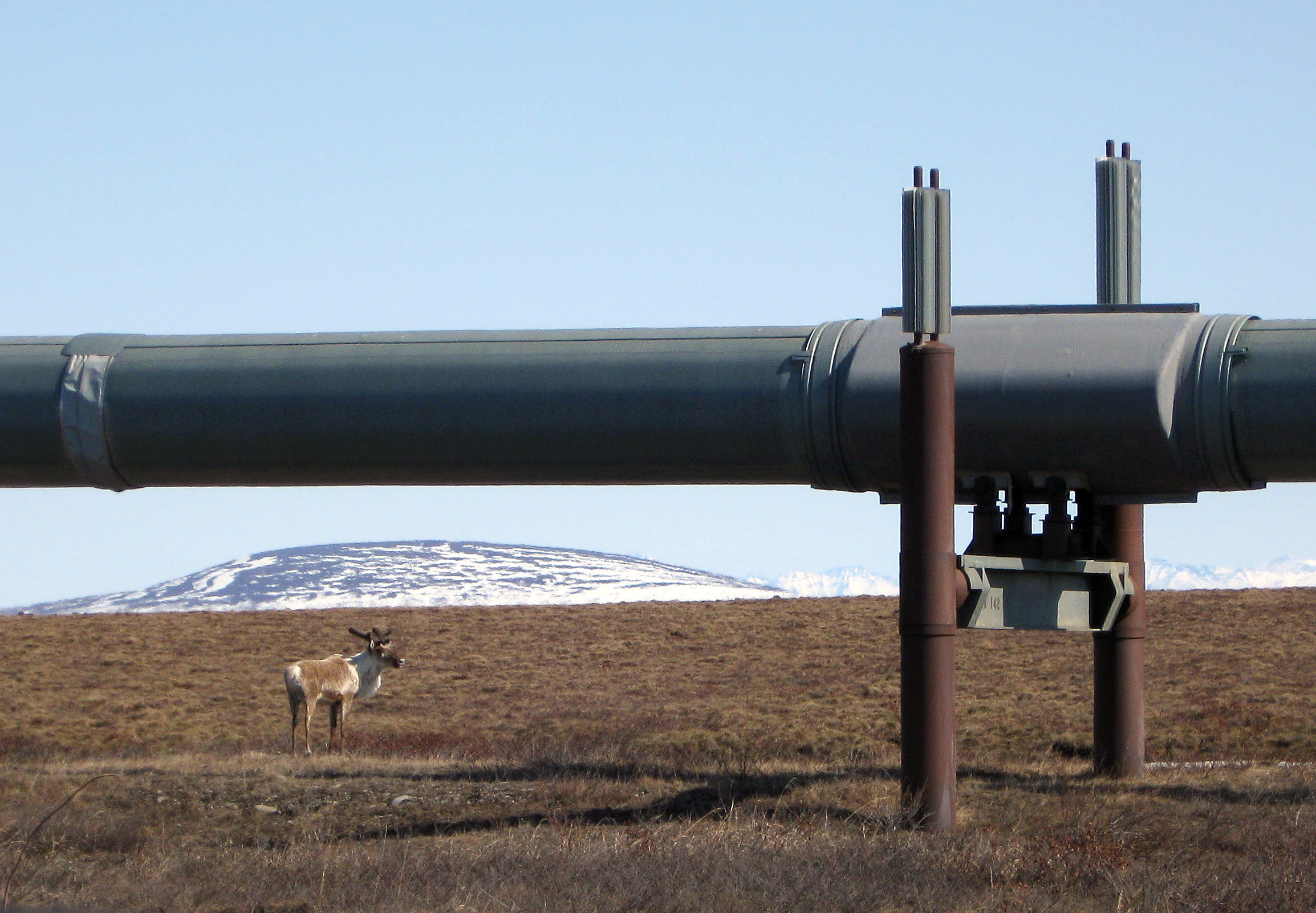
To be a qualified bidder, an entity must register with the federal government, demonstrate financial capacity, and have the expertise and intent to actually follow through on oil and gas development. This includes bonding requirements, compliance obligations, and operational expectations layered on top, particularly if seismic exploration or development programs are pursued.
All of it reinforces the same baseline assumption that oil under federal public lands exist for extraction. There is unfortunately no pathway in this system for someone whose goal is protection when conservation is not considered an eligible use.
Previous Attempts to Bid
In 2008, student and climate activist Tim DeChristopher entered a Utah BLM auction and successfully bid on 14 parcels of land, covering 22,500 acres, with the explicit intention of keeping them out of the hands of oil and gas companies. He had no intention of developing the leases and, critically, no ability to pay the $1.8 million he committed to.
DeChristopher was charged, convicted, and ultimately sentenced to federal prison. Even efforts that attempt to operate within the system’s gray areas reveal its limits.
When the Alaska Industrial Development and Export Authority (AIDEA) stepped in to bid on Arctic Refuge leases, it raised a new set of questions that cut to the heart of who this process is meant to serve.
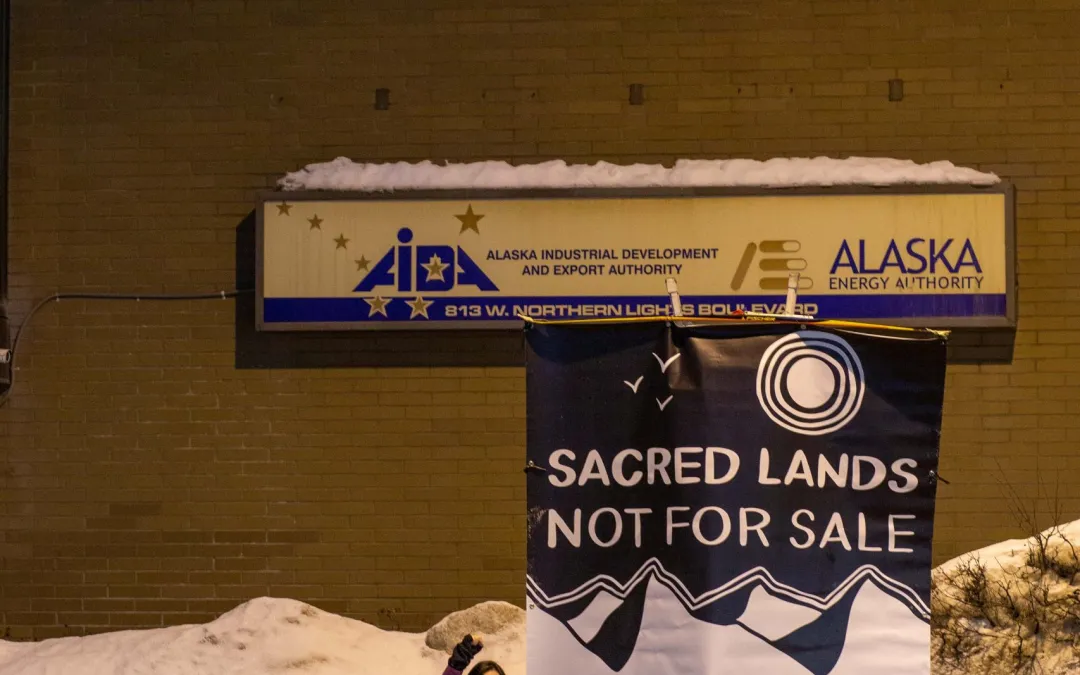
AIDEA is a state-backed financing entity, not an oil company, and its participation blurred the lines between public interest and industrial development. If an entity that doesn’t drill can acquire leases, who is it ultimately acting for? And if the rules can stretch to accommodate certain actors, why do they remain so rigidly closed to others—particularly those seeking to protect rather than exploit?
Whose interests in the Arctic Refuge are recognized as legitimate?
The Refuge Is Not a “Product”
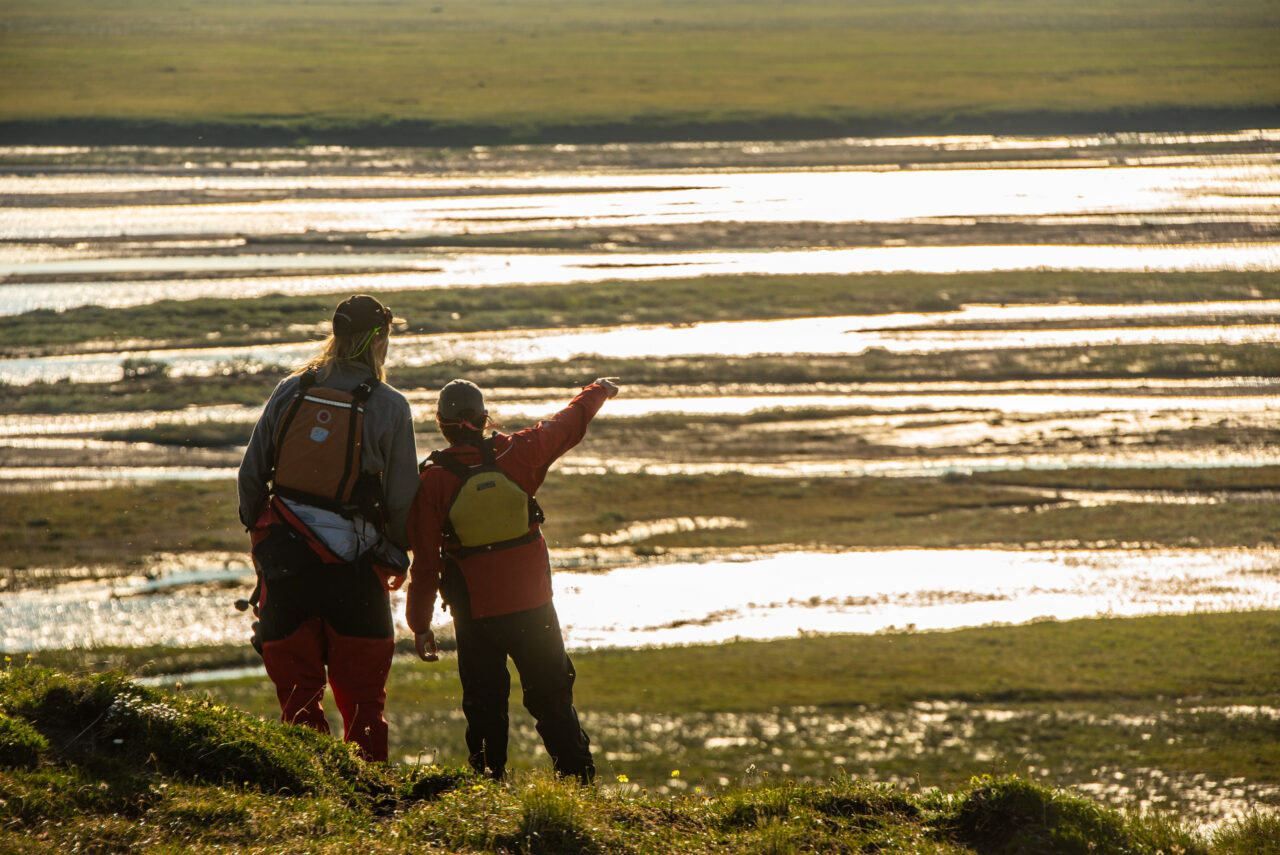
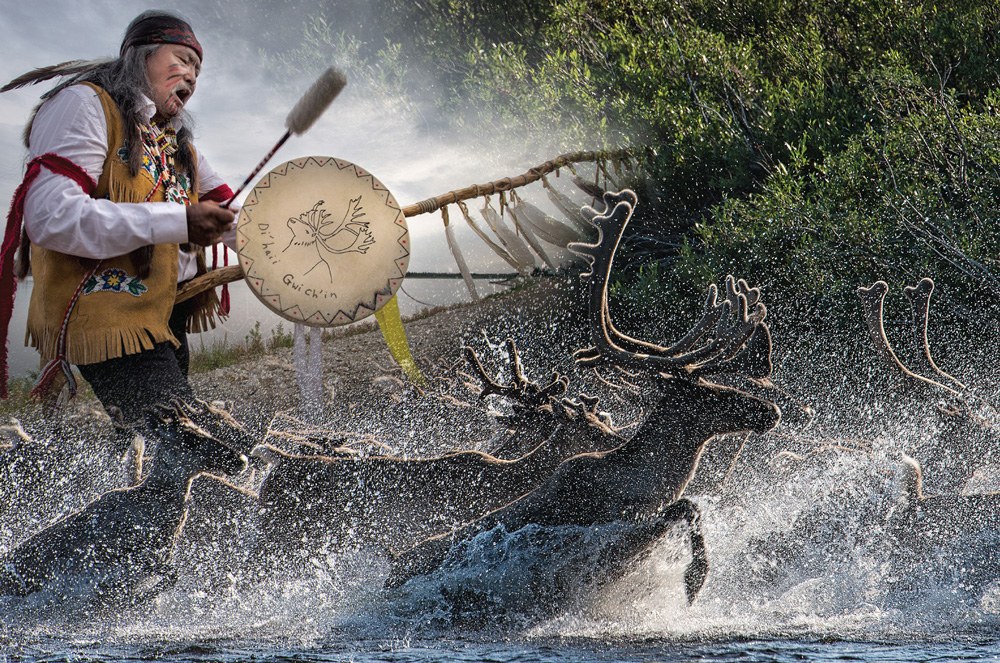
The Arctic Refuge is a living, interconnected ecosystem. It supports the Porcupine caribou herd, sustains migratory birds across continents, and holds profound cultural and spiritual significance for the Gwich’in people, who have depended on and protected this land for generations.
Time and again, attempts to industrialize it have faltered. Lease sales have struggled to attract interest. Major oil companies have stayed away. The economic promises used to justify development have not materialized.
Meanwhile, the broader context in which these lease sales are proposed tells its own story.
As global tensions rise, including ongoing conflicts with Iran, oil prices fluctuate and often climb, placing strain on families across the country. But the notion that drilling in the Arctic Refuge would provide relief is misleading and ignores the basic timeline of Arctic development.
Even under the most aggressive scenarios, oil extracted from this region would not reach the market for decades. It would do nothing to lower prices today, tomorrow, or in the near future. What it would do is lock in long-term industrialization of one of the last intact ecosystems in the United States, all while oil and gas companies continue to post enormous profits driven in part by the very instability used to justify their expansion.
How You Can Take a Stand
We believe that if people were given the opportunity to bid on the Arctic for the purpose of protecting it, they would. And while the current system doesn’t allow for that kind of participation, we’re creating a way to make that collective will visible.
By contributing “$25 per acre” to Alaska Wilderness League, you can show how much land you would choose to protect if the rules were different. This is a symbolic action, not a literal bid. But it sends a powerful message: the Arctic’s value is not measured in barrels of oil. It’s measured in caribou migrations, intact ecosystems, and the right of future generations to inherit a thriving, wild landscape.
We know that the reason you can’t simply “bid to protect” the Arctic Refuge is not a lack of care, creativity, or commitment on the part of the public. The system was just never built to accommodate those things in the first place. Changing that reality will take persistence, pressure, and a reimagining of what we believe public lands should be.
Until then, we will keep fighting—for the Arctic, and for the principle that some places are too important to be reduced to a line item in a lease sale.