 News
News
Why We Need Wildlife Refuges
October 13, 2026
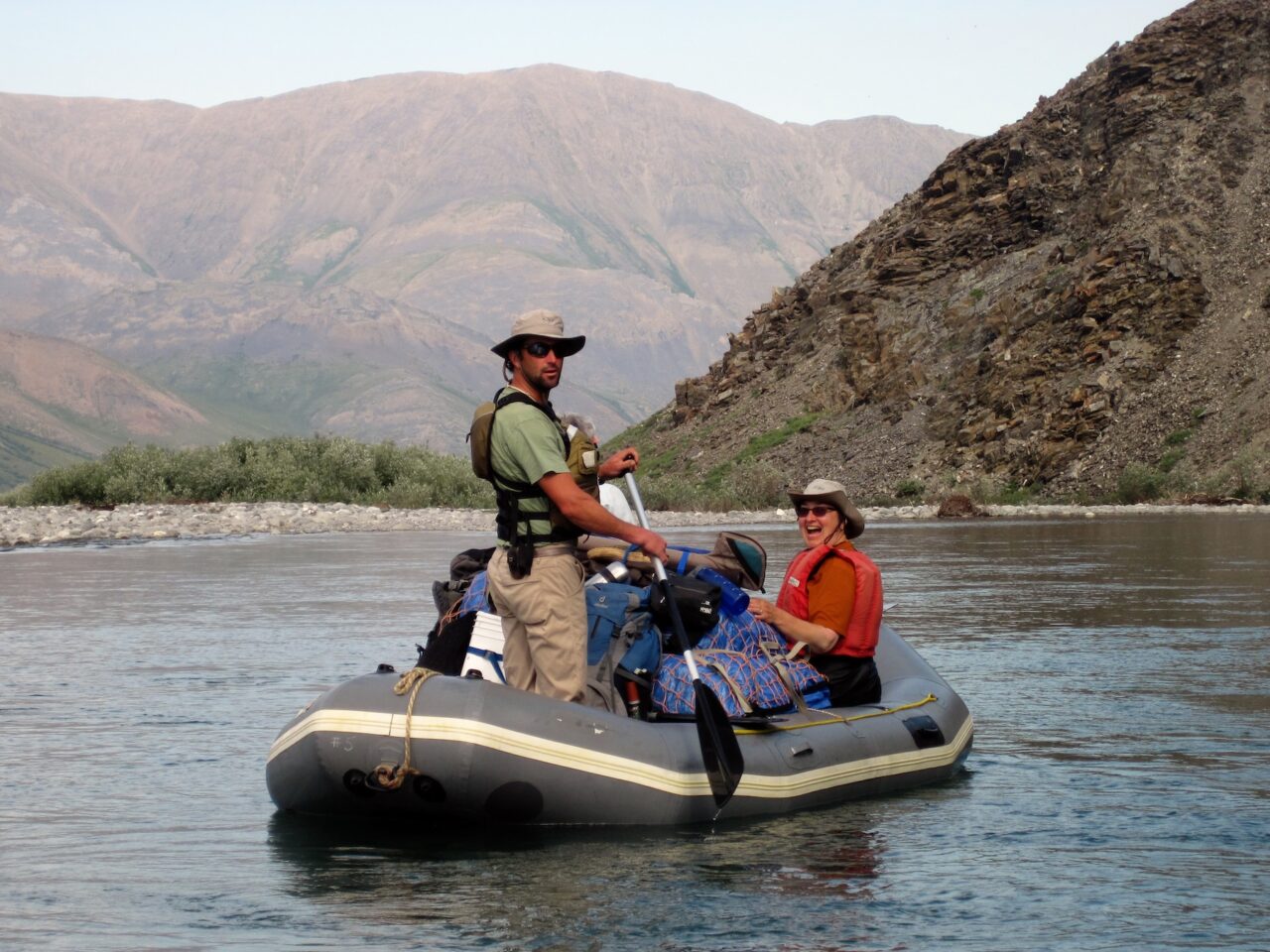
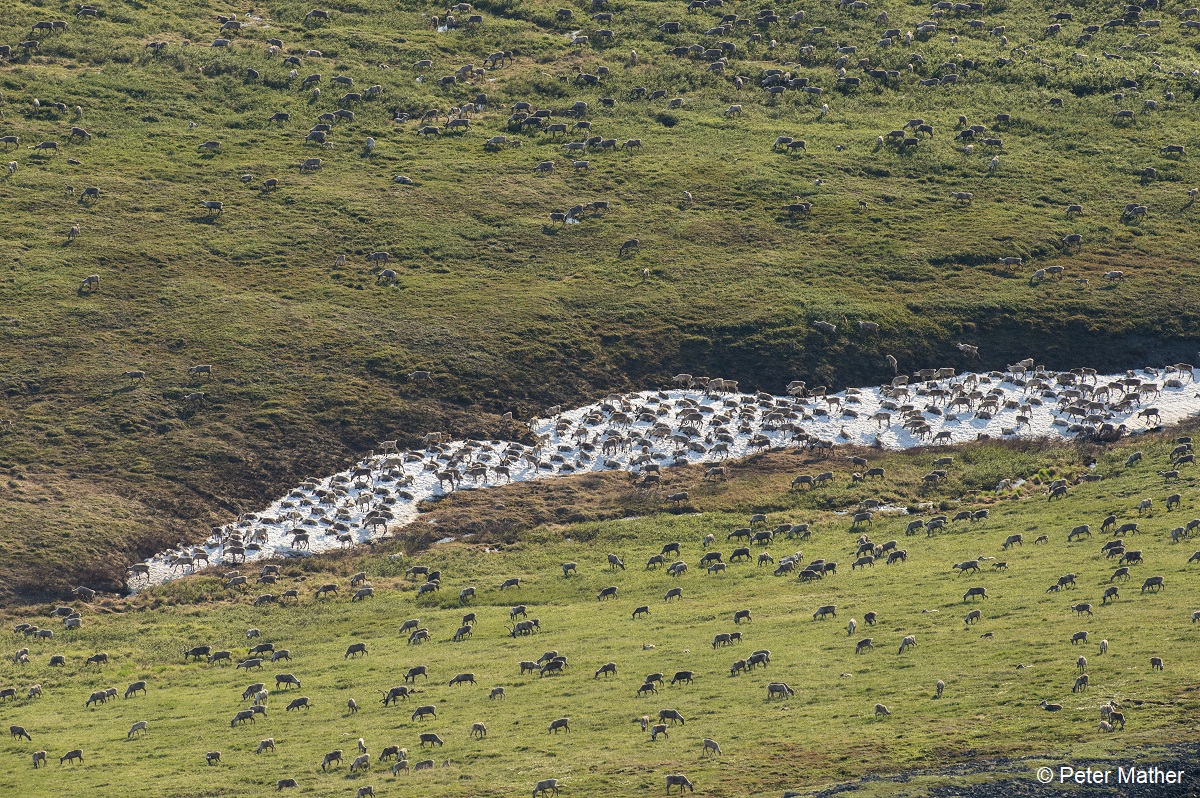
Long before we strung together the words “national wildlife refuge,” people were already paying attention to what made Alaska’s northeastern corner extraordinary. They saw a landscape where rivers ran wild from the Brooks Range toward the Arctic Ocean, where vast herds of caribou moved across the tundra with the seasons, and where the coastal plain provided essential habitat for polar bears, migratory birds and countless other species. For the Gwich’in people, who have lived across what is now northeastern Alaska and northwestern Canada for generations, this landscape is also home—and the Porcupine Caribou Herd that migrates through it is central to their culture, food systems and way of life.
That relationship with the land goes back thousands of years. Gwich’in communities have followed the seasonal movements of the Porcupine Caribou Herd across the region, relying on caribou for food and passing knowledge about the animals and their habitat from one generation to the next. The herd’s journey between its wintering grounds and calving grounds on the Arctic coastal plain is one of the great migrations of the North, and for the Gwich’in, the coastal plain is more than important wildlife habitat. It is sacred ground—a place where the caribou give birth and begin the next generation.
That deep relationship is part of what makes the Arctic National Wildlife Refuge so extraordinary. The Refuge is not an empty wilderness waiting to be discovered or developed. It is a living landscape that sustains people and wildlife together, as it has for generations.
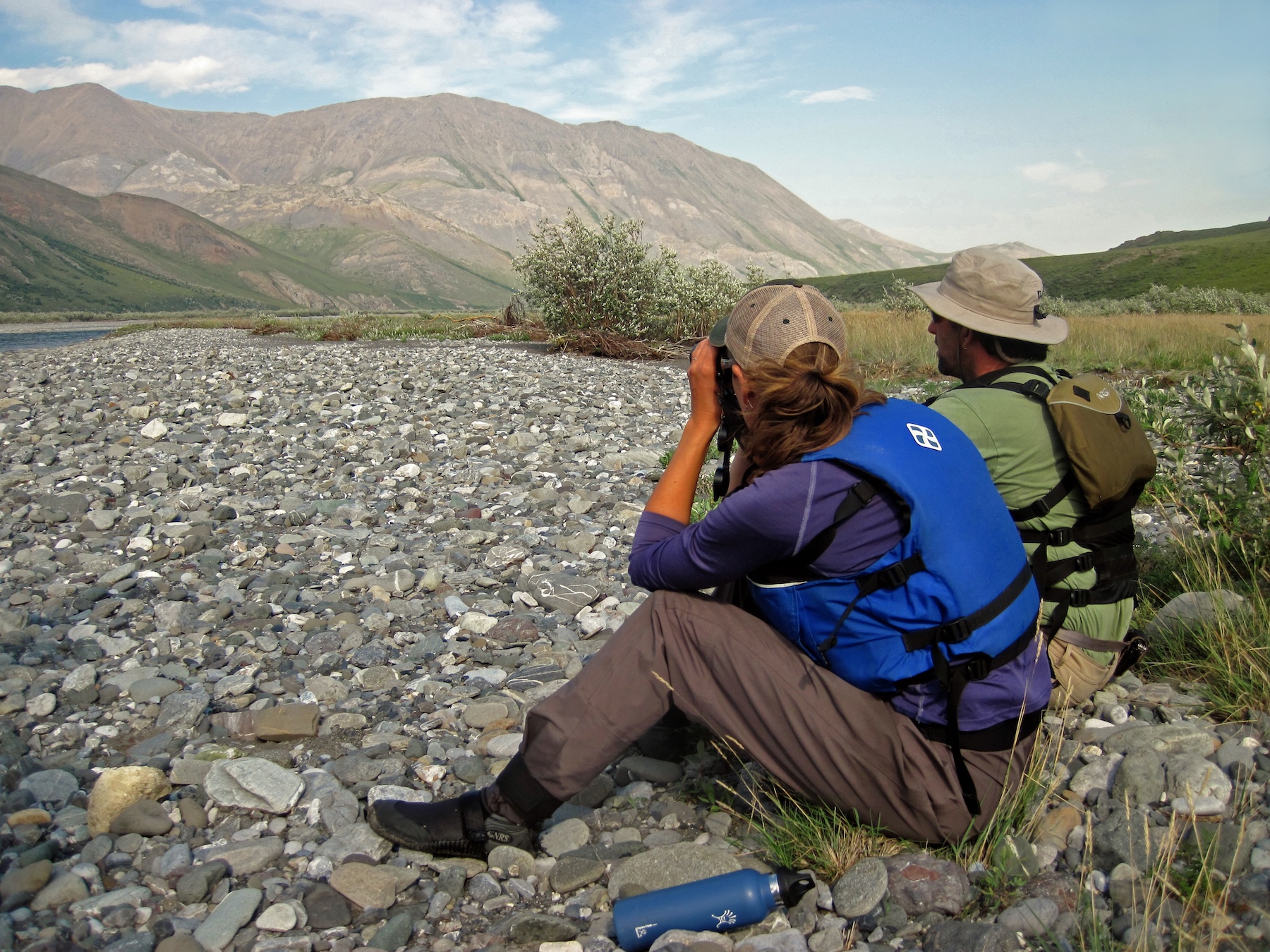
The story of the Refuge is also part of a much larger American idea: that there should be places set aside not for development, but for wildlife. The National Wildlife Refuge System began in 1903, when President Theodore Roosevelt established Florida’s Pelican Island as the nation’s first wildlife refuge to protect birds from plume hunting. Over the decades that followed, the system grew into a network of hundreds of refuges protecting habitat across the country, from coastal wetlands and grasslands to forests, rivers and Arctic tundra.
These places serve a simple but increasingly important purpose. Wildlife needs somewhere to live, and people need healthy lands and waters that can sustain them.
For migratory species, that need is especially clear. A bird may spend one season in Alaska and the next thousands of miles away in another state or another country. A caribou herd may travel hundreds of miles across its range in search of food and suitable conditions. Protecting the places these animals depend on means recognizing that wildlife does not live according to the boundaries we have drawn on a map.
The Arctic Refuge is one of the clearest examples of what that kind of protection can make possible. In 1960, President Dwight Eisenhower established the 8.9-million-acre Arctic National Wildlife Range after years of advocacy from conservationists including Olaus and Mardy Murie, who understood that the region’s extraordinary wildlife and wilderness values deserved lasting protection. Twenty years later, Congress passed the Alaska National Interest Lands Conservation Act, dramatically expanding the protected area and creating the Arctic National Wildlife Refuge we know today.
At nearly 20 million acres, the Arctic Refuge is larger than many U.S. states. Its landscape stretches from the Arctic Ocean across the Brooks Range and into boreal forests, encompassing mountains, rivers, wetlands and the coastal plain. It provides habitat for the Porcupine Caribou Herd, polar bears, muskoxen, Dall sheep, wolves and hundreds of species of birds, including migratory birds that travel thousands of miles to reach Alaska each year.
For the Gwich’in, protecting this landscape has always been inseparable from protecting the caribou and the future of their communities. The Porcupine Caribou Herd ranges across Alaska and Canada, crossing an international border that means little to the animals themselves. Its annual migration has sustained Gwich’in communities for generations, and the health of the herd remains closely tied to the health of the lands and waters it travels through. The Gwich’in have therefore been among the strongest and most enduring voices defending the Arctic Refuge’s coastal plain from oil and gas development. Their opposition is rooted not only in concern for a particular ecosystem, but in a relationship with the land and caribou that reaches back thousands of years.
That history matters because the Arctic Refuge is not simply a place we protect for wildlife that people might someday come to see. It is a place where wildlife continues to sustain human communities, where Indigenous knowledge and traditions remain alive, and where the relationship between people and the land is still visible across the landscape.
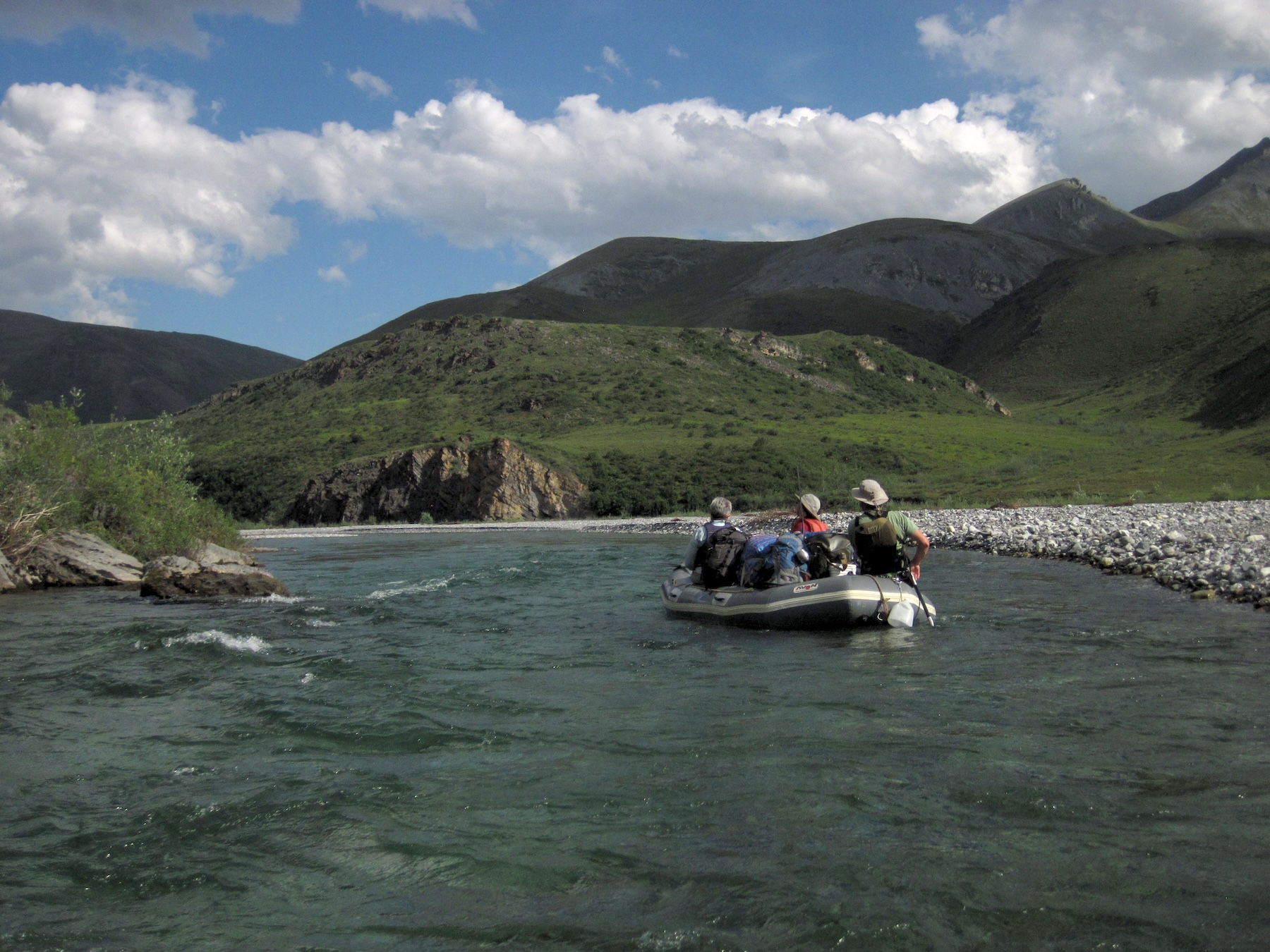
Today, that relationship faces growing pressure. The Arctic Refuge has been targeted for oil and gas development for decades, and efforts to industrialize the coastal plain continue despite the risks to wildlife, ecosystems and the people who depend on them. Yet the reason the Refuge exists in the first place has not changed. This is a place where caribou need room to migrate, where polar bears need habitat to den, where migratory birds return each summer, and where Gwich’in communities maintain a relationship with the land that has endured for generations.
National Wildlife Refuge Week is a chance to celebrate that idea. Across the country, refuges give wildlife habitat to survive while protecting the lands and waters that sustain communities. They preserve places that might otherwise be lost and maintain the ecological connections that stretch far beyond the boundaries of any single refuge.
And nowhere is that responsibility more visible than in Alaska.
The Arctic National Wildlife Refuge is part of a much larger story about what we choose to protect and what we choose to pass on. Its future belongs in the hands of the people, communities and wildlife who depend on it—not the oil companies that have spent decades trying to industrialize it.
When we protect the Arctic Refuge, we are protecting more than a spectacular landscape. We are giving caribou room to migrate, birds a place to return, bears a place to raise their young and Gwich’in communities the opportunity to continue a relationship with the land that has sustained their people for generations.
That is worth celebrating this National Wildlife Refuge Week and worth protecting for generations to come.
Photo credit: Dave Shreffler