 News
News
War, What Is It Good For? Not Lowering Our Gas Prices
March 9, 2026
You may have already felt it, I know I have. Just last week my local gas station in Virginia was $2.78 a gallon. Now, just days after news of escalating tensions in Iran, it’s almost $4.00 a gallon.
The instinctive response is: “If we drill more in America, our oil prices will be cheaper.” This administration often frames it as part of “energy dominance,” a phrase you’ve probably seen in headlines. It sounds logical. Maybe even feels patriotic. But the truth is more complicated. Producing more oil in the US, even in the Arctic, will not shield Americans from global oil price spikes.

Oil Is a Global Commodity
Gas prices are set by global markets, not by drilling permits in Alaska or other US public lands. Crude oil, the raw material for gasoline, is traded worldwide. A disruption anywhere, whether in the Middle East, Africa, or Europe, is instantly felt at every gas station in America.
The current tension in Iran illustrates this perfectly. As oil tankers slowed through the Strait of Hormuz, a critical chokepoint for roughly 20% of the world’s oil, crude benchmarks jumped. Analysts warned prices could surge further if tensions persist. Gas prices in the US rose, with the national average climbing 11 cents almost overnight, reflecting markets pricing in risk, not actual production loss.

Even if Arctic drilling began tomorrow, it would not protect American consumers. Global supply and demand dominate pricing. When markets fear a loss of supply from the Middle East, prices spike worldwide, regardless of new US production. US producers often export crude and refined products; if international prices are higher, domestic consumers still pay more.
Speculation adds another layer. Traders buy oil contracts based on anticipated shortages, pushing prices higher even if barrels remain in storage. Drilling more at home adds supply, but it doesn’t change global market dynamics or geopolitical risk.
The Iran crisis makes this clear: even with record US oil production, Americans feel price spikes at the gas pump because oil is a global commodity. Energy dominance does not protect consumers, it’s a talking point, not a solution.
Why Arctic Drilling Won’t Lower Your Gas Pump Price
Supporters of drilling in the Arctic often use “energy dominance” as justification: unlock domestic oil, take control of the market, and protect Americans from foreign crises. The reality is starkly different. Speculative Arctic Refuge oil is likely 10 years or more away, even under optimistic industry projections, meaningful volumes wouldn’t arrive until the mid-2030s. Using a 2026 Middle East crisis to justify Arctic drilling is either a misunderstanding of oil timelines or a deliberate misdirection on the American people.
Drilling in the Arctic locks the US into fossil fuel dependence for decades. Infrastructure built for Arctic oil guarantees reliance on oil well into the 2060s, increasing the very geopolitical vulnerability this administration claims they want to reduce.
The Arctic itself is irreplaceable. The Coastal Plain of the Arctic Refuge is one of North America’s last intact wilderness ecosystems. The Porcupine caribou herd, the indigenous Gwich’in communities that rely on it, and the broader ecosystem would face irreversible damage. No temporary spike in oil prices justifies permanently sacrificing these lands.

Energy security is often framed as a national interest, but the Gwich’in remind us that security also includes cultural and food security. They have depended on the Porcupine caribou herd for thousands of years. Their interests are national interests too. So, who then defines “security” matters.
Renewable Energy as a Solution
Renewable energy—solar, wind, and hydropower—is domestic, scalable, and reliable. Costs have dropped a lot over the past decade, with around 90% of renewables being cheaper than fossil fuels worldwide according to the International Renewable Energy Agency (IRENA). Utility-scale solar now costs $20–30 per megawatt-hour, and wind is similarly cheap, compared with $40–50 per megawatt-hour for electricity made from fossil fuels. Because sunlight and wind are free, their price isn’t affected by wars, oil embargoes, or global market swings.
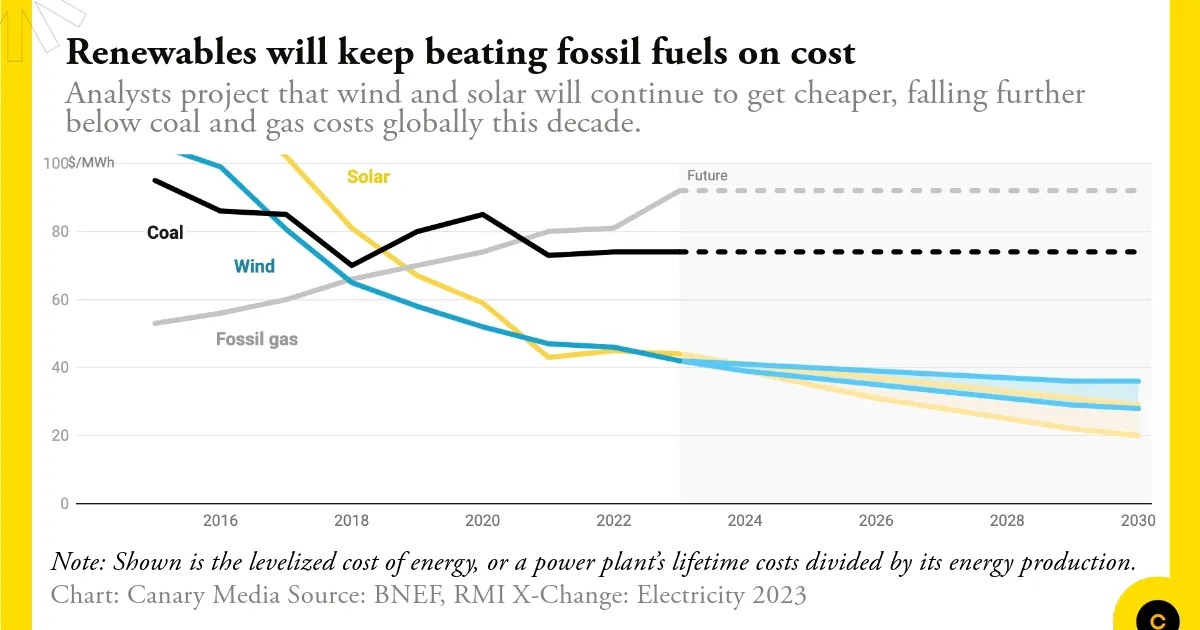
To put it in perspective: every new solar panel, wind turbine, or battery storage system we build reduces our dependence on oil and protects Americans from global price spikes. Moving the US grid to 50% renewables could save households hundreds of dollars a year. Expanding renewables gradually strengthens the grid, stabilizes electricity costs, and supports electric vehicles, all while giving the US more control over its own energy.
Stop Chasing Ghosts
If the goal is cheaper gas for Americans, Arctic drilling is a red herring. It reflects a misunderstanding of energy markets, or worse, exploits that misunderstanding. Prices are driven by global supply risks, not drilling leases in places like Alaska. Arctic oil is too small, too slow, and too risky to meaningfully reduce gas prices.
Global conflicts, shipping risks, and speculation dominate pricing far more than domestic production. Renewable energy, by contrast, is domestic, predictable, and scalable. It gives Americans control over costs, strengthens national security, and protects communities and ecosystems.

Drilling in sensitive lands is not a solution, it’s a gamble with Alaska’s wilderness and the Gwich’in way of life, while perpetuating the vulnerabilities that keep the US entangled in foreign conflicts. Investing in clean energy is the only evidence-based strategy to stabilize energy costs, protect the environment, and strengthen national security for generations to come. Anything less is a distraction from the urgent work of protecting people, communities, and our climate.