 News
News
The Arctic Ocean: What’s at Stake—and Why This Fight Matters Now
January 21, 2026
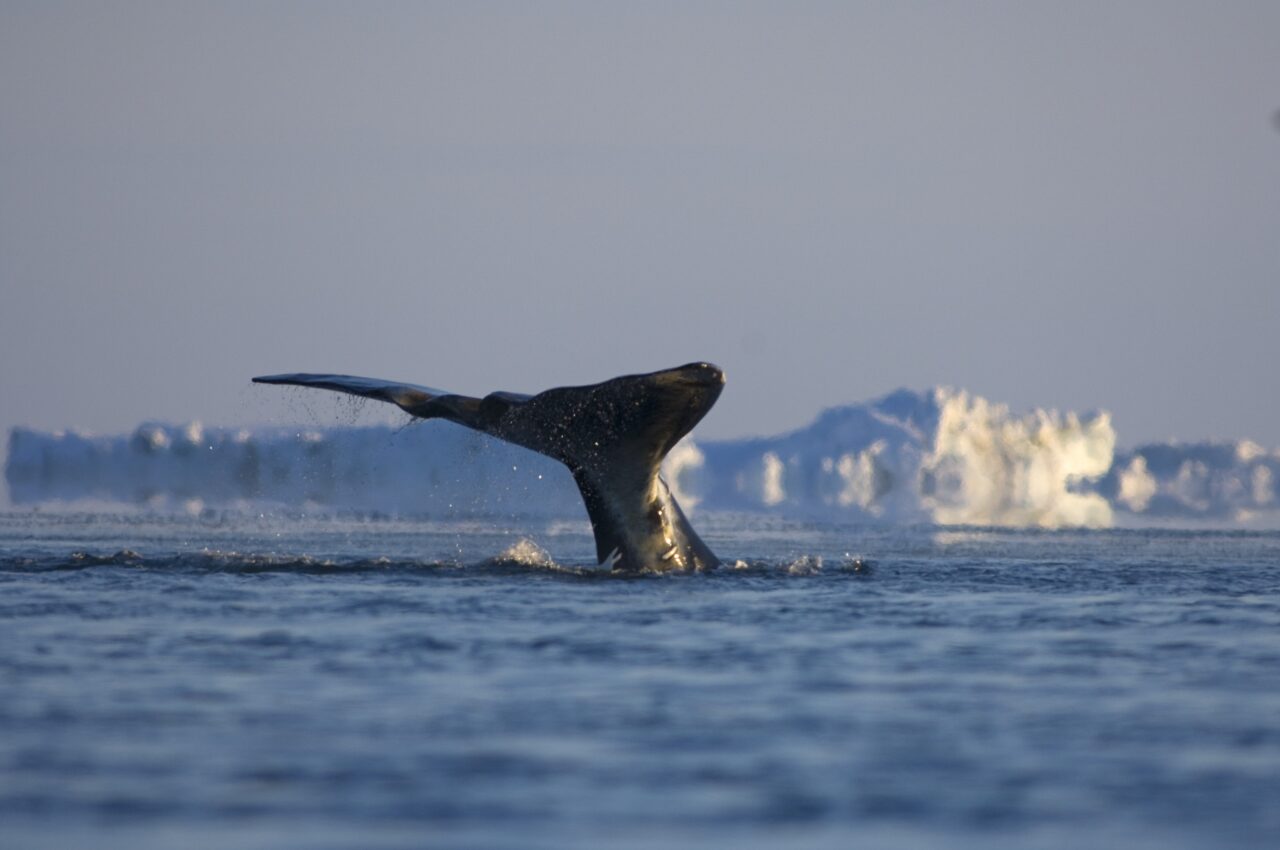
The Arctic Is Back on the Chopping Block
This administration continues to surprise us all, and not in a good way. The latest iteration of the 11th National OCS Oil and Gas Leasing Program is the most egregious plan yet, proposing up to 34 offshore lease sales covering roughly 1.27 billion acres of public waters. Alaska is once again asked to shoulder the massive risk. Twenty-one of the proposed lease sales target Alaska waters, including:
- Five in Cook Inlet—despite declining production and little industry interest
- Five in Arctic waters—putting nearly every stretch of Alaska’s Arctic coastline on the table
All this flies in the face of a decade of hard-won conservation that highlighted a simple truth: The Arctic Ocean is too important (and too expensive) to gamble with.
The Arctic Ocean Is Alive
The Arctic Ocean—made up primarily of the Chukchi Sea and the Beaufort Sea—is sometimes talked about like a blank, frozen expanse. But it is thrillingly alive.
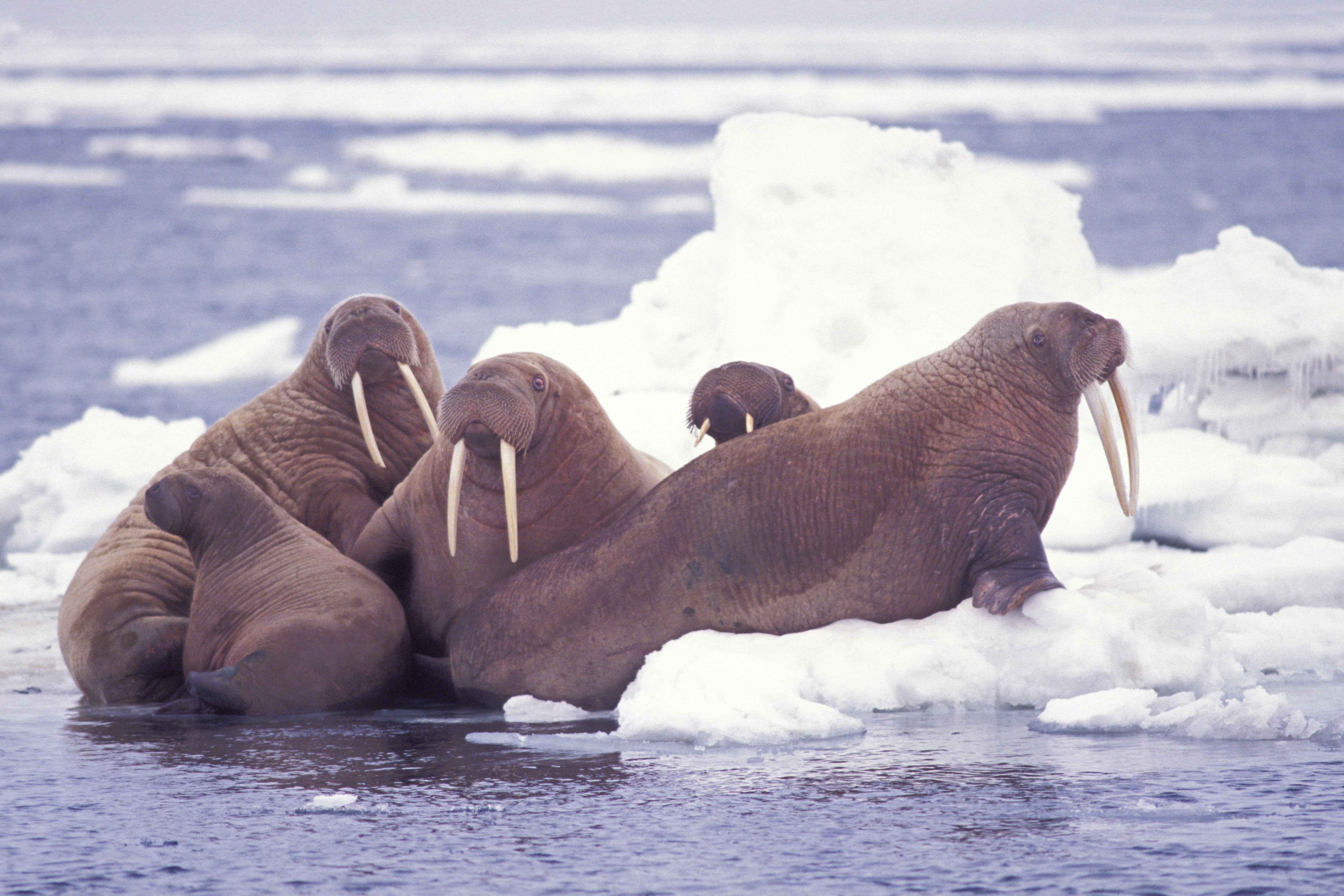
These Arctic seas support one of the most productive marine ecosystems on Earth. Their vast, shallow sea floors and seasonal ice cover provide nutrients and habitat for an astounding array of wildlife, including:
- Pacific walrus
- Most of America’s polar bears
- Bowhead, fin, humpback, gray, and beluga whales
- Ringed, ribbon, bearded, and spotted ice seals
- Hundreds of species of fish
- Millions of shorebirds, seabirds, and other waterfowl
Try to imagine Alaska without polar bears. Without whales migrating along the ice edge. Without seals hauled out on the ice. That’s the future offshore drilling puts on the line.
This Is Home

Photo credit: Chad Brown
For Iñupiat communities along Alaska’s northern coast, the Arctic Ocean isn’t a concept or a campaign but a lifeline.
Due to this amazing biodiversity, the region has been able to sustain Alaska Native communities for millennia, and continues to do so today through robust, marine based subsistence harvest of whales, seals, and more.
Offshore drilling doesn’t just threaten wildlife; it threatens ways of life.
Oil Spills And The Arctic Don’t Mix
Drilling in Arctic waters faces a unique set of dangerous complications. The harsh weather, dark and persistent winters, ice-capped waters, and remote locations all make responding to an oil spill improbable. If something goes wrong, response options are slim to none.
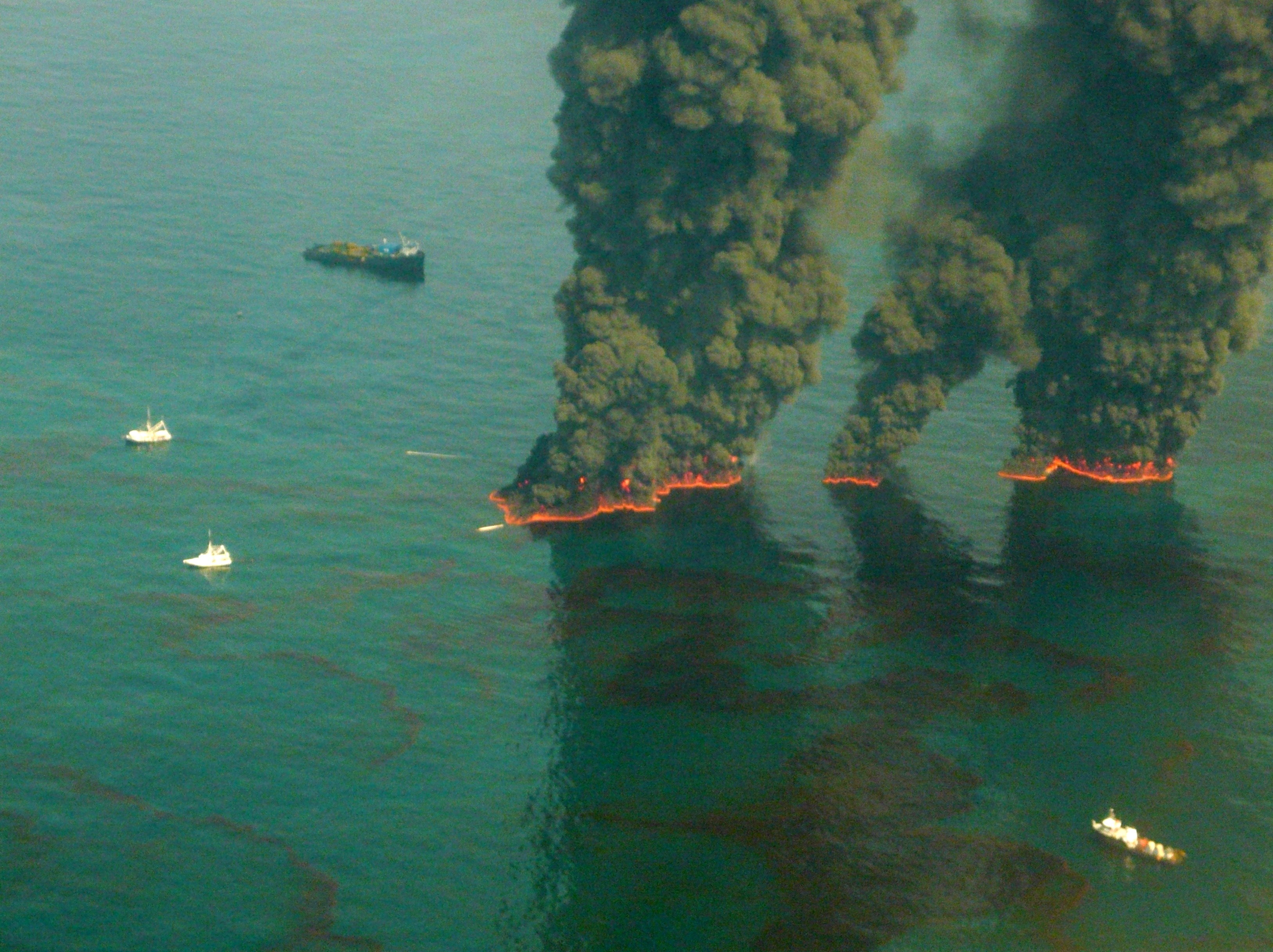
History makes the risk unmistakably clear. Cleaning up an Arctic oil spill takes years—sometimes decades—and the damage is often permanent. In 1989, the Exxon Valdez spill released more than 11 million gallons of crude oil into Prince William Sound, becoming one of the worst environmental disasters in U.S. history, with impacts that lingered long after cleanup efforts ended. Even the Deepwater Horizon spill in the Gulf of Mexico—where far more resources, infrastructure, and emergency capacity were available—took 90 days just to contain. In the Arctic Ocean, a similar spill would be far harder, if not impossible, to clean up. The risks were so clear that even the oil industry walked away. In 2015, Shell abandoned its Arctic Ocean drilling plans after spending billions, acknowledging what had become undeniable: the environmental, climate, and financial costs were too high. Just one year later, the Obama administration took decisive action, permanently withdrawing 125 million acres of Arctic waters from future oil and gas leasing. Since then, the Arctic Ocean has been yanked back and forth depending on who’s in power and treated like a bargaining chip for Big Oil instead of a place worth protecting.
People Power Has Worked Before—and It Can Again
This isn’t the first fight to protect the Arctic Ocean. In 2015, high profile “kayak-tivsts” protested in Seattle and captured global attention. That pressure—combined with high costs and public outrage—helped push Shell out of the Arctic for good.

This time, we’re not starting from scratch. A decade of conservation victories backs us up, and leaders from Alaska’s own congressional delegation have spoken out against offshore drilling in the Arctic. Industry interest is weak, but that’s not the same as protection. This plan is counting on silence, and complacency is exactly what we can’t afford. This process kicked off in August of 2024 and we’ve been working through it all to get the Arctic Ocean removed from the plan. We still need your help now and during all future public comment periods. This is our chance to show what real opposition looks like. Speak up. Make it clear that offshore drilling has no place in the Arctic Ocean—and help push for permanent protection, once and for all.