News
The Arctic, As It Should Be: A Guide’s Perspective on Wilderness
October 20, 2026
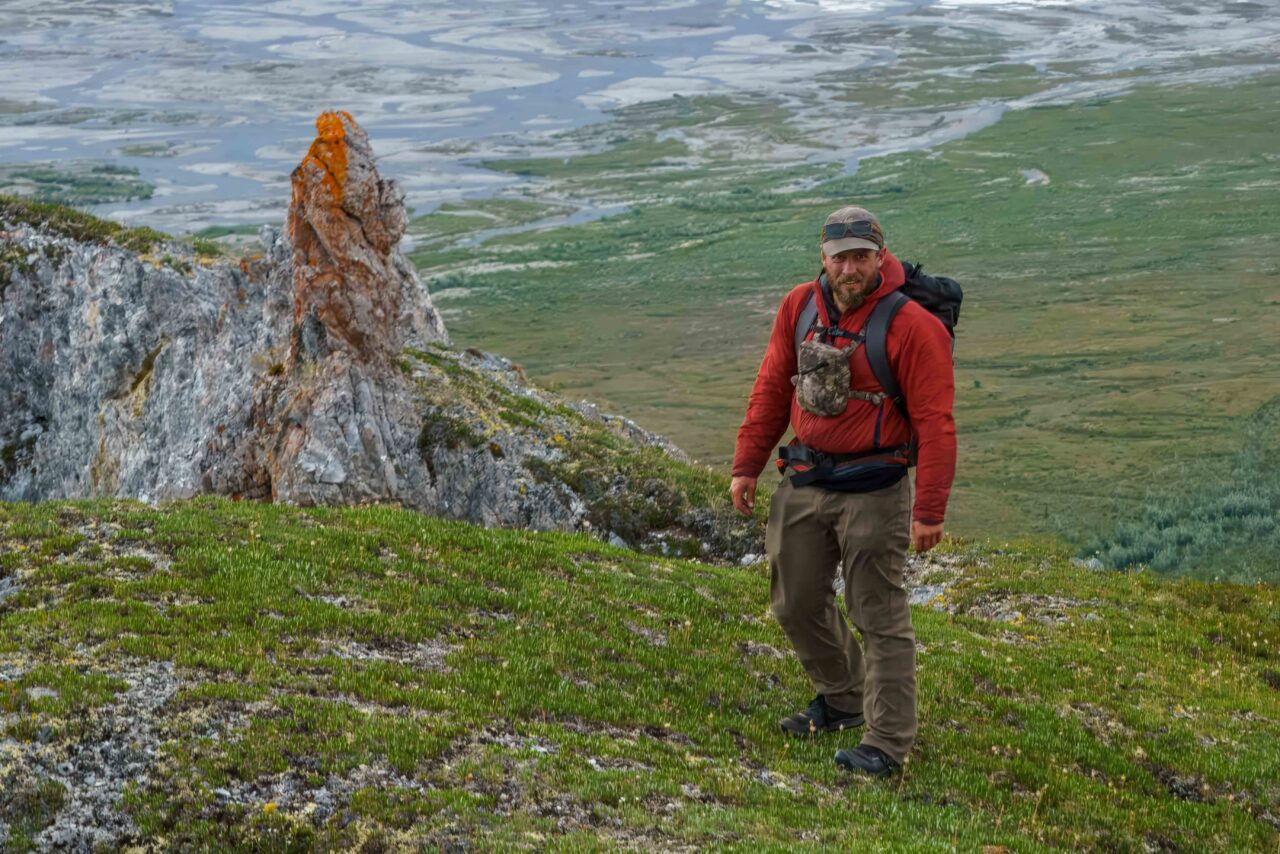
At a recent National Wilderness Coalition fly-in in Washington, D.C., Kyle Milne was one of two Arctic guides who joined Alaska Wilderness League in meetings with members of Congress to share their firsthand perspectives and advocate for protections for Arctic lands. He shared some of the moments that have shaped his love for Alaska’s Arctic, and what wilderness means from the perspective of someone who makes his living guiding people through it. Below is the text of the speech he delivered in the U.S. Capitol.
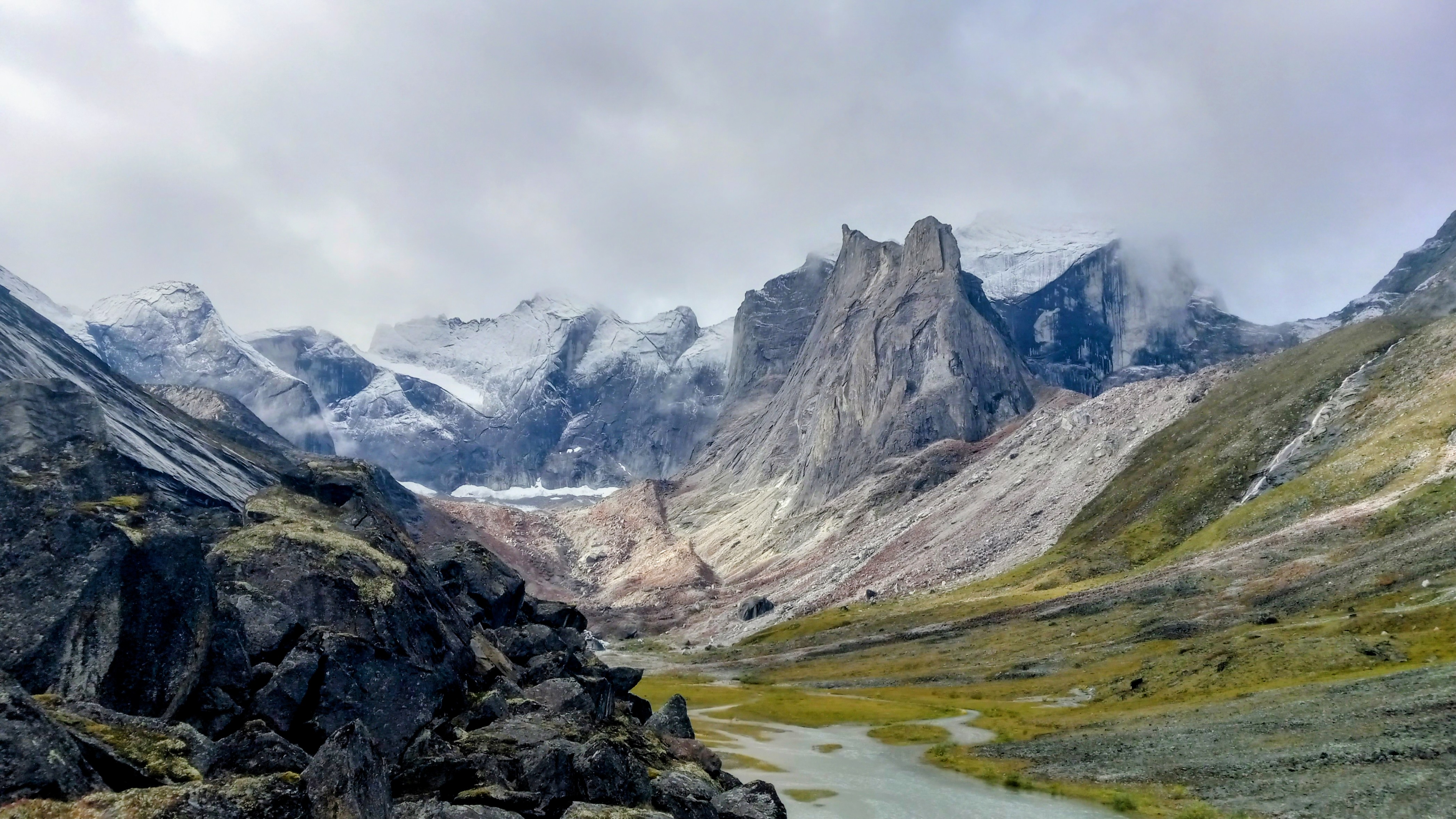
I have spent the better part of the last five years falling in love with a place. And perhaps “place” isn’t the right word; the landscapes and wilderness areas I have fallen in love with stretch across the Alaskan and Canadian Arctic some 600 miles east to west, with personalities and characteristics that can differ as much as the desert Southwest from Cascadia.
I could sit here and tell you how my livelihood depends upon wilderness—how wilderness has paid my bills, fed me from fish and game, and provided me with purpose and connection. I could tell you about the ecological significance of the hundreds of thousands of caribou that move across the Arctic North Slope every year.
I could tell you about the people I’ve met living in villages and communities scattered across the north side of the state, who, a quarter of the way through the 21st century, still truly live off the land— foraging, fishing, and hunting—and who make me feel like a foreigner, a tourist, in a place I’ve come to know and love deeply.
I could tell you about all those things, but for me, when I really distill the significance of wilderness down, it comes in the form of short vignettes: memories, experiences, times up North that gave me a cold shiver down my spine.
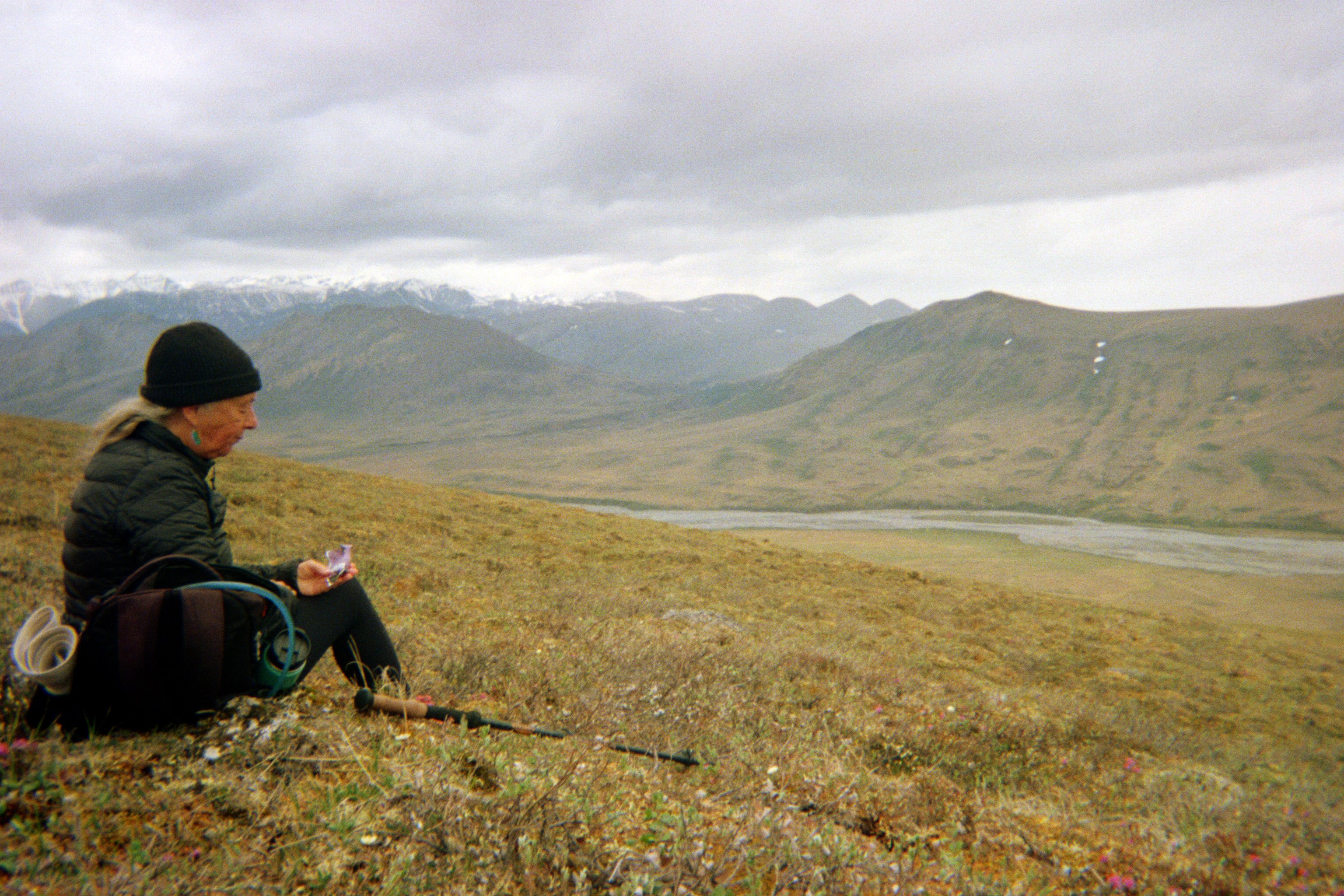
My time up North is scrambling across hundreds of square feet of fossilized coral, embedded in the bedrock shoreline of the Firth River.
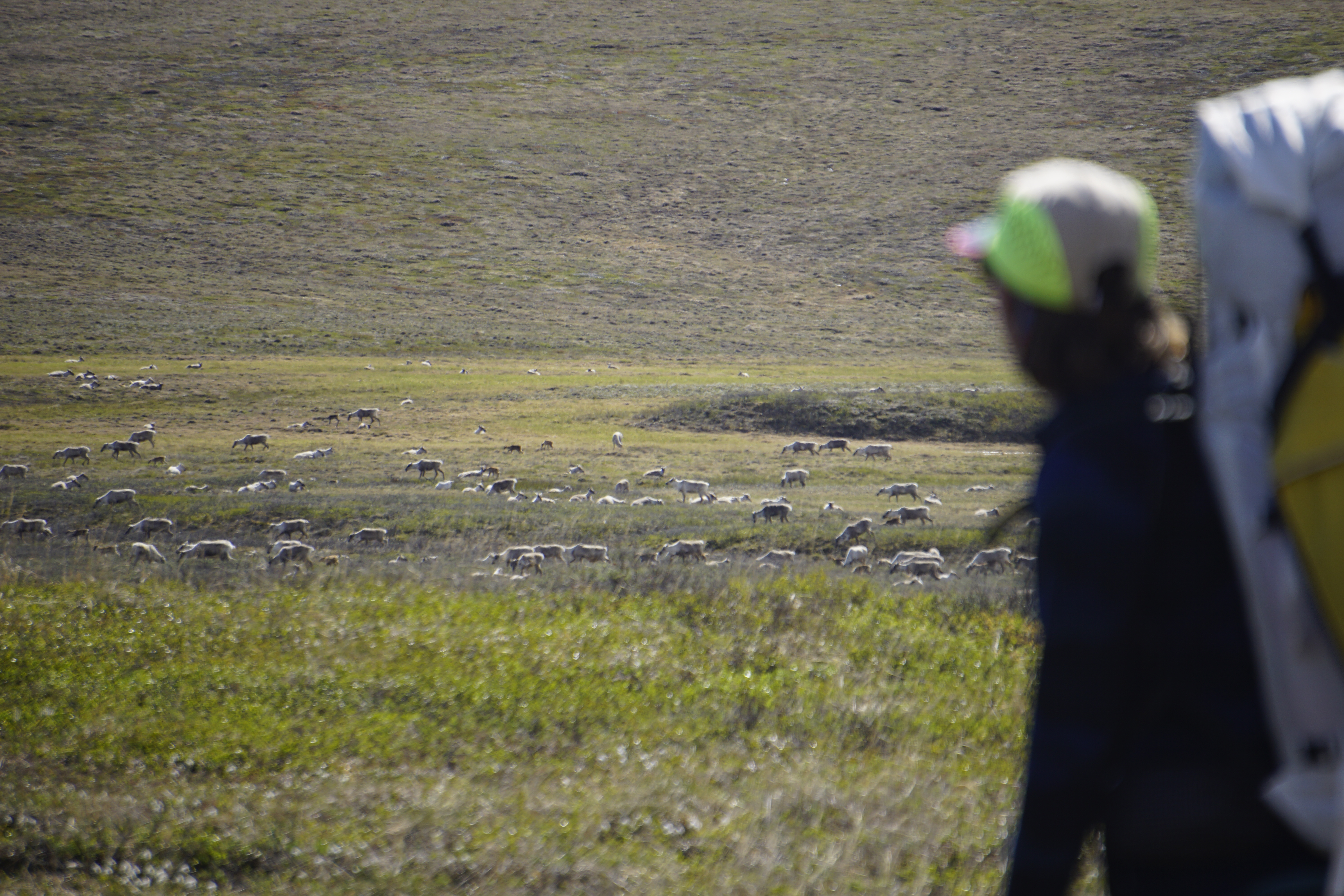
It is waking up in a tent on the toe of the Sadlerochit Mountains, the furthest north mountain range in Alaska, to the guttural grunts, soft clacking tendons, and distinct barnyard smell of 30,000 caribou that have wandered into camp in the middle of the night-less night.
It is a musk ox scratching its hindquarters on my tent at 3 a.m.
It is standing on top of a nameless peak near the Kongakut River and seeing thousands of square miles of rolling tundra hills, then flat and barren coastal plain, then low sand barrier islands, then blue ocean, and finally white sea ice on the northern horizon.
It is what isn’t seen from that same nameless peak: no buildings, no vehicles, no dots on the horizon or boats steaming across the ocean; no evidence that the 21st century has made its way this far north just yet.
It is stumbling upon house pits, flakes, atlatl and spear points, arrowheads, scrapers, whalebone structures, and decomposing driftwood cabins—evidence of the tenacity, ingenuity, and courage of pre-contact Iñupiaq people; people who have been, are, and always will be, a part of the land.
It is a family of ermines fearlessly flitting across ground, feet, legs, dry bags, and packs, coming to say hello to a group of rubber-clad rafters loading their boats.
It is the supreme indifference of Mother Nature as sustained 35-mile-per-hour winds flatten tents, snapping poles and shredding fabric, as July snow stings eyes and exposed skin.
It is awe, and a little fear, in the eyes of a city planner from right here in Washington, D.C., as we kneel on the tundra, staying motionless while a herd of bull caribou with antlers as tall as us walk within touching distance, unaware of our presence.
It is a conversation with a Gwich’in elder in the Wright Air Service terminal in Fairbanks, Alaska—the calm confidence he exudes as he shares the best way to survive a night in the open, with no tent, when winter temperatures dip to 50 degrees below zero.
It is three polar bears, two cubs and one sow, glowing gold in the 3 a.m. light from the sun hovering above the horizon, hopping across the jumble of shore-fast sea ice to avoid getting their paws wet in meltwater ponds.
It is a landscape that demands your presence, your empathy, and your attention.
Kyle Milne is a born and raised Alaskan. He has worked as a fly-fishing guide, wildland firefighter, Arctic guide, and in the nonprofit sector. He first visited Arctic National Wildlife Refuge in 2021, and since then it has always had a hold on a piece of him.