 News
News
Stuck in the Past: Why Companies Are Scraping the Bottom of the Arctic Barrel
January 29, 2026
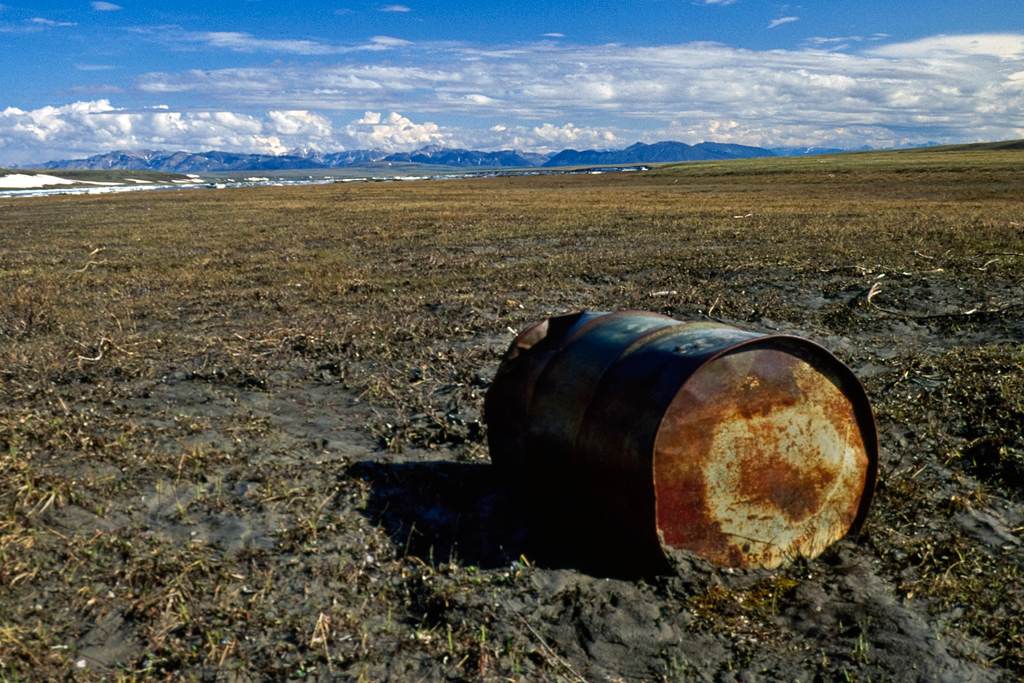
The Trump administration’s latest “big, beautiful” energy giveaway mandates lease sales in both the Arctic National Wildlife Refuge and the Western Arctic by July 2026. That means we could see the next steps on both these regions any day now. And make no mistake: the only companies looking to drill here are scraping the bottom of the barrel — literally proving that the fossil fuel industry is floundering.
For decades, oil companies drilling in the Arctic sold a story of strength: growth, profits, dominance. Then, in 2015, Shell walked away from their offshore prospects. In 2019, BP sold their entire Alaska portfolio to a mid-sized company, Hilcorp. Smaller companies are swooping in, trying to make a quick buck, but the data points show that high cost, conventional Arctic oil isn’t the future; it’s the past.
The major players voted with their dollars and took a pass on recent Arctic Refuge lease sales. Why? Companies in their prime don’t gamble in melting permafrost. Drilling the Arctic is what you do when you’re out of options. It’s a last grab. When your business plan requires bulldozing wildlife refuges and begging the government to open protected lands, it’s not the flex oil companies think it is. It isn’t smart business, as evident by the number of big banks that say no to financing Arctic Refuge oil.
Drilling the Arctic isn’t the future of energy. It’s the end of the line.
Arctic Refuge: A Market Failure Waiting to Happen
The next step in the Refuge lease process is a call for nominations. Any company bold enough to show up to bid would have to be either crazy or desperate.
The Arctic Refuge lease program has already proven to be a total market failure: previous sales drew almost no industry interest, generated paltry bids, and left taxpayers holding the bill. Meanwhile, major oil companies and financial institutions are actively backing away from Arctic drilling, citing:
- Extremely high production costs
- Harsh weather and infrastructure nightmares
- Ongoing legal and regulatory uncertainty
- Growing global competition from cheaper renewables
- Escalating reputational and climate risk
Energy analysts increasingly warn that high-cost, long-term Arctic projects risk becoming stranded assets as markets shift toward cleaner, cheaper energy sources.
Wildlife Refuge, Not Oil Field
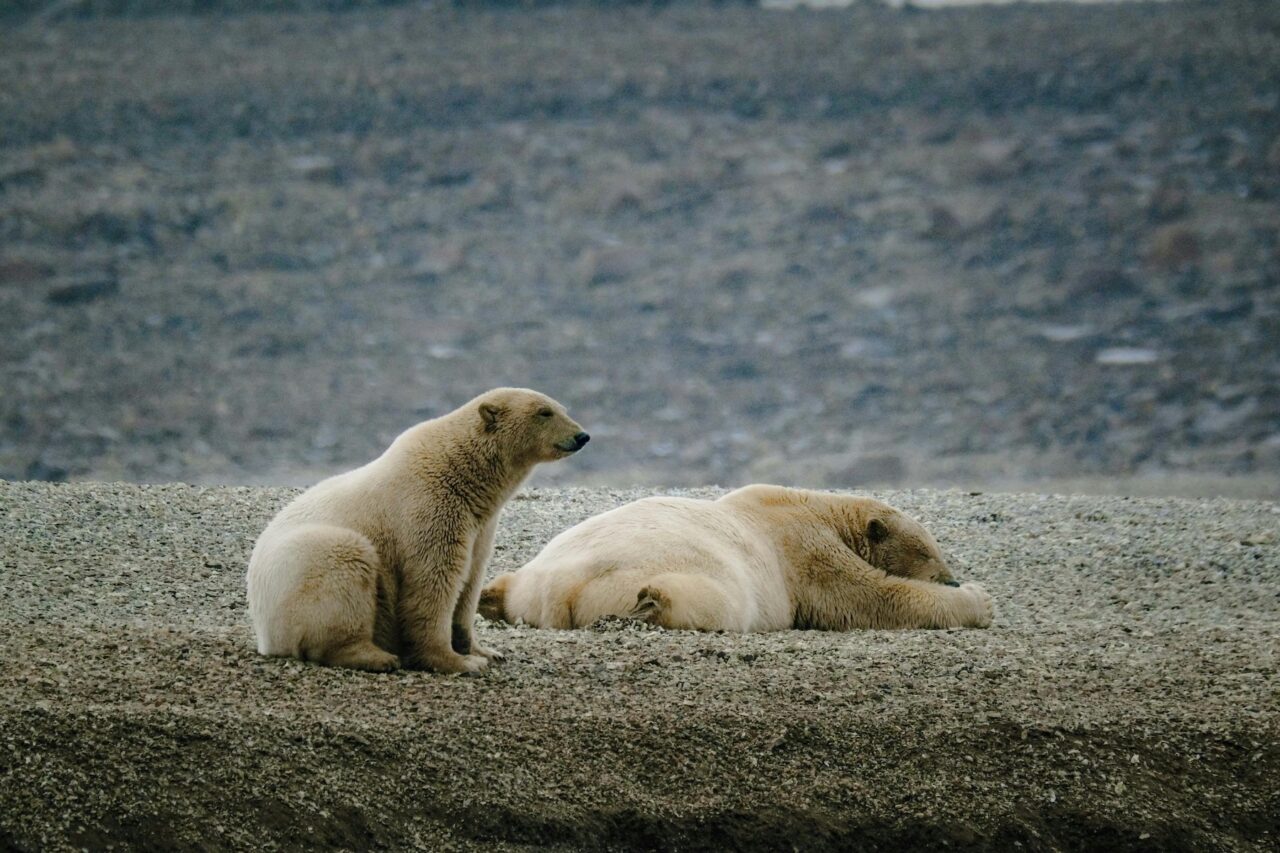
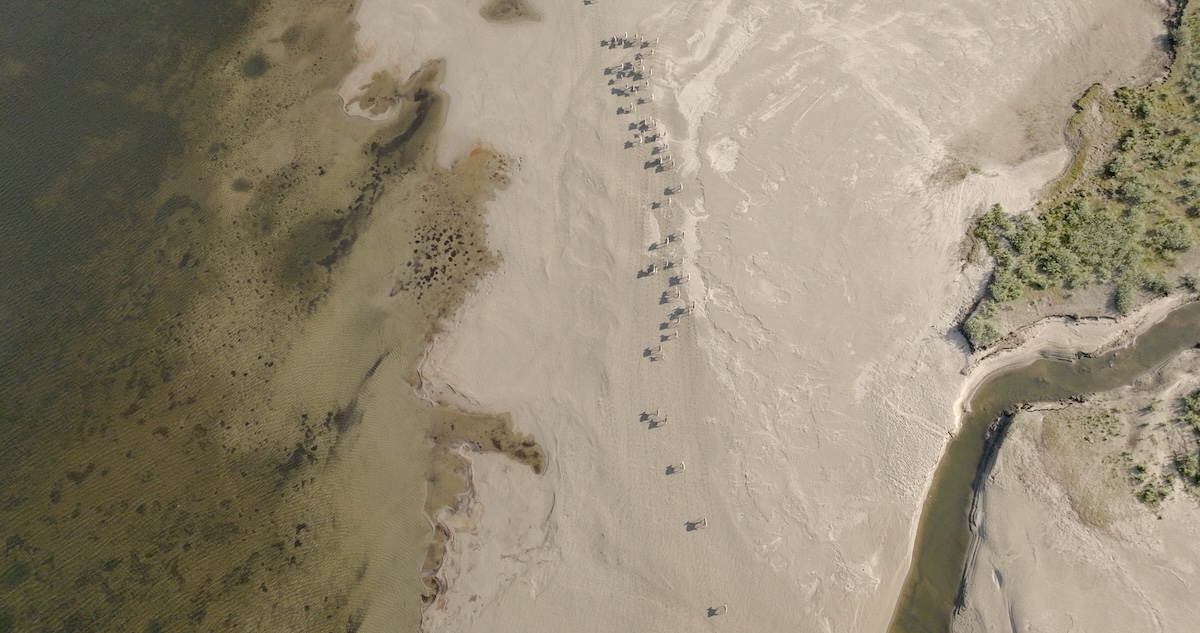
The Arctic Refuge is one of the last intact ecosystems on Earth. The coastal plain is the calving ground for the Porcupine caribou herd, a lifeline for the Gwich’in people, who call this area “the sacred place where life begins.” It’s also critical habitat for threatened polar bears and millions of migratory birds that travel to every U.S. state and six continents.
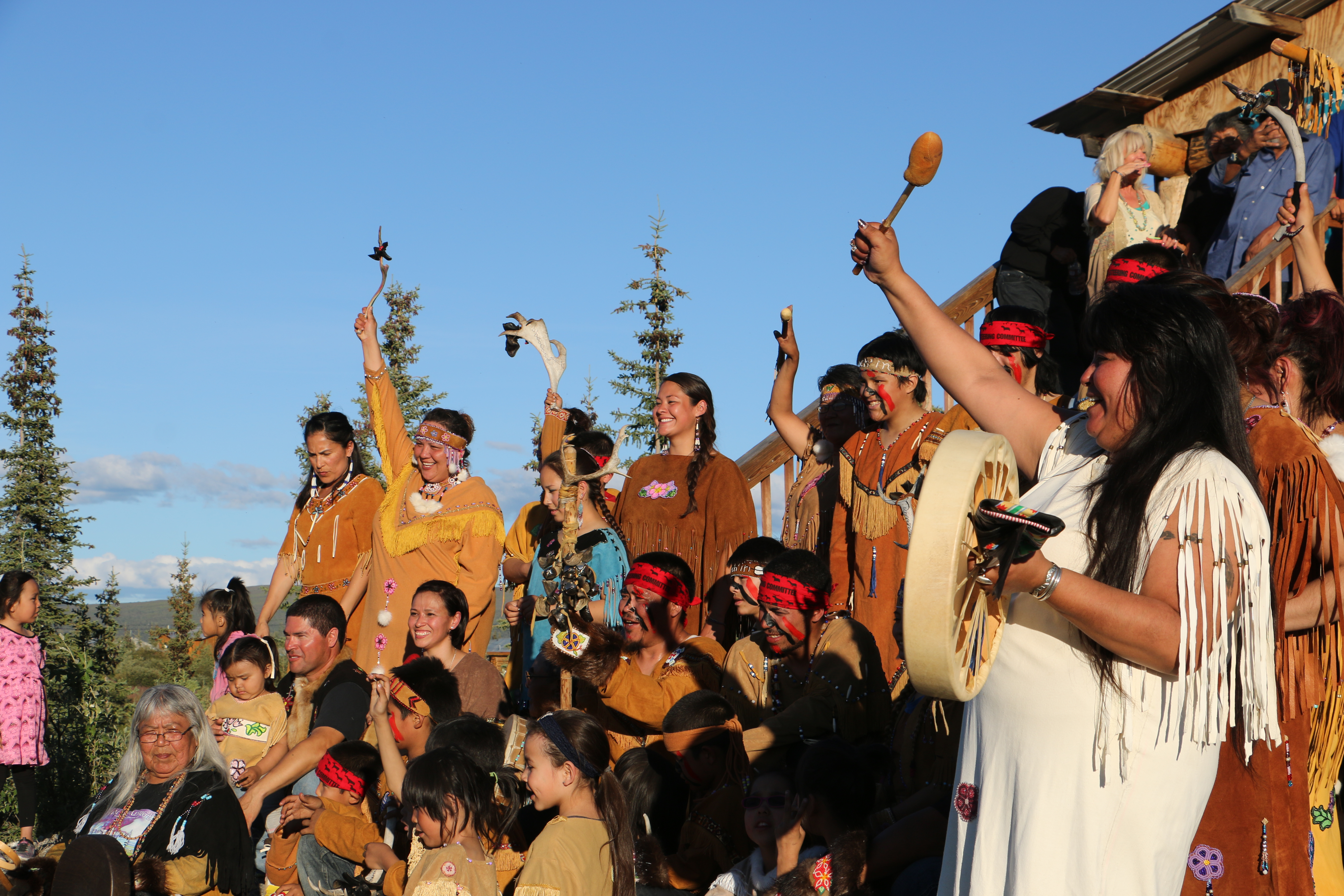
For decades, Americans across the political spectrum have supported protecting the Refuge from industrial development — and for good reason. It’s not an oil field. It’s a refuge.
Western Arctic: Companies Stuck in the Past Drill Here
Even the Western Arctic — historically more popular for drilling — is economically frantic. Any company willing to sink billions into oil fields here is basically sending a memo to shareholders, insurers, and the American public: “We are a company of the past, and not of the future.”
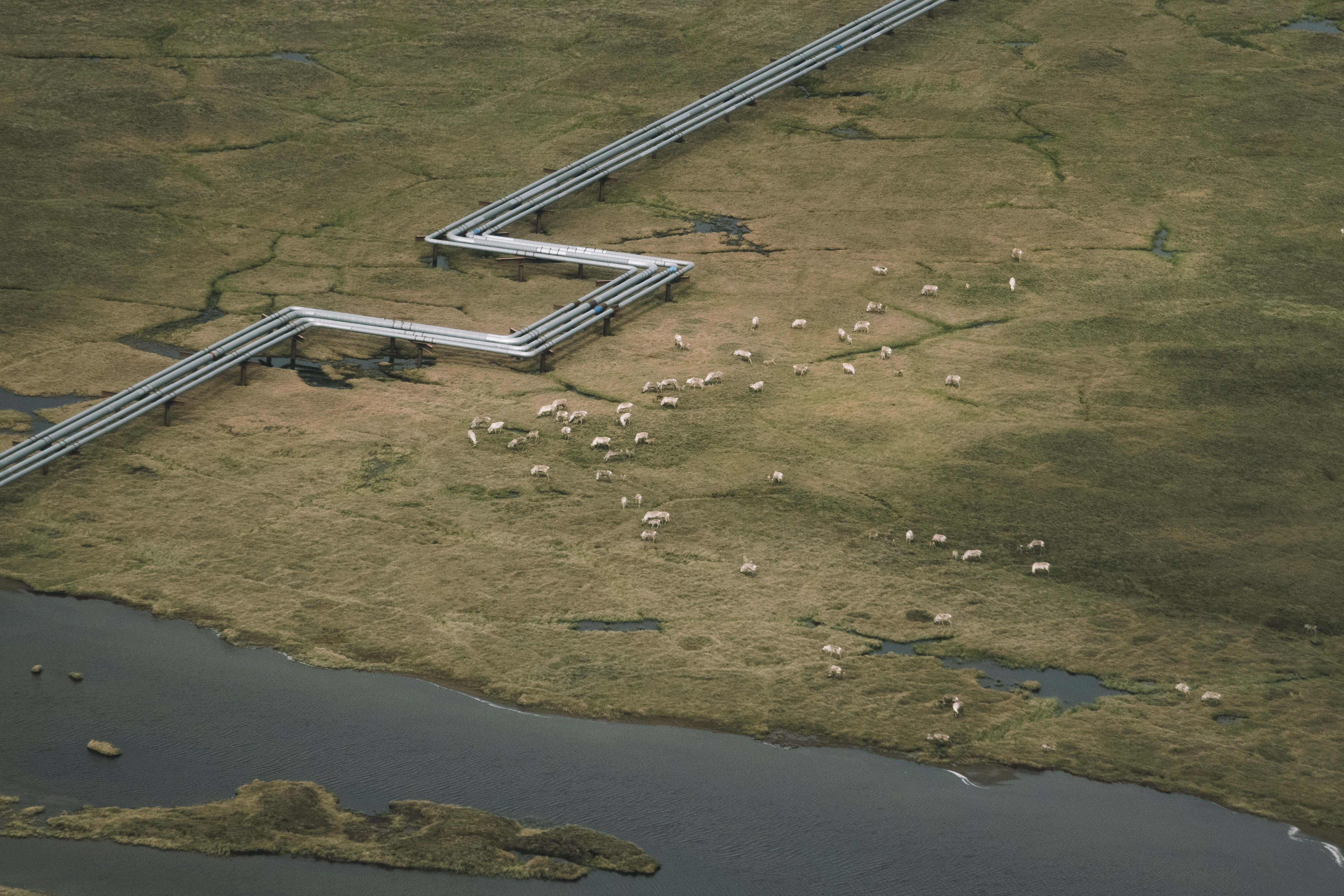
Most major oil companies have already walked away from Arctic exploration due to high costs and financial uncertainty. Unconventional oil has made the United States the world’s largest producer of oil and gas, and those projects don’t require billions of dollars upfront, nor decades from a lease sale through when the first oil makes it to market. Analysts warn that long-term Arctic projects could become stranded assets as renewable energy grows and global demand plateaus.
Recent federal rollbacks have removed or weakened protections for sensitive areas in the Western Arctic, including the Colville River and Teshekpuk Lake Special Area — home to caribou, migratory birds, and subsistence communities. These rollbacks are federal lifelines for an industry unwilling to see the writing on the wall.
Lessons from Willow
ConocoPhillips’ Willow project shows just how risky Arctic oil has become. According to the Alaska Department of Revenue, Willow will generate only $2.6 billion in state revenue over its lifetime — roughly half of what was projected just a year ago, and far below earlier forecasts exceeding $6 billion. Under current tax rules, the company could even receive more in tax credits than the state collects, a clear sign that the economics are failing for the people of Alaska.
The Beast Falls: Arctic Drilling Is Already Dangerous
The danger isn’t just financial. A massive ConocoPhillips rig, nicknamed “The Beast,” recently tipped over on a frozen gravel road near Nuiqsut, spilling thousands of gallons of diesel just feet from a tributary to the Colville River. The rig, the largest mobile land rig in North America, was part of ConocoPhillips’ ongoing winter exploration program in the Western Arctic. While no serious injuries occurred, the incident underscores how fragile, unsafe, and unpredictable Arctic operations are, even with modern equipment and experienced crews.
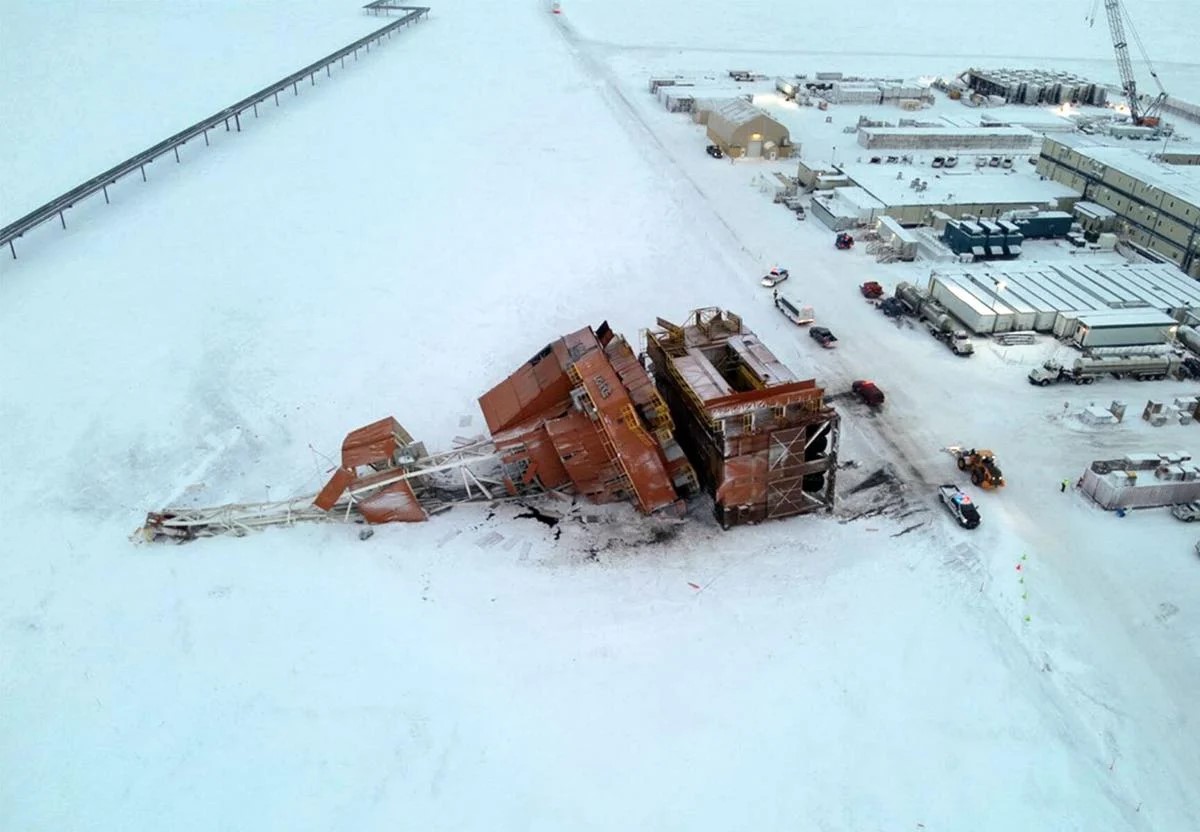
This accident came on the heels of previous mishaps — including another road-related issue for the same rig in 2020 — showing that Arctic drilling isn’t just risky for the environment; it’s dangerous for people, wildlife, and local communities.
If companies are willing to gamble billions on projects that may never pay off, it sends a clear message: the Arctic is where oil companies turn when they’re stuck in the past and running out of places to go.
Why We Need You to Speak Up
Lease sales only work if someone shows up to bid. No bidders = no drilling. And right now, companies are already on the fence.
Public pressure, bad headlines, investor scrutiny, and community opposition all factor into whether executives decide it’s worth the gamble, or too embarrassing and too risky to touch.
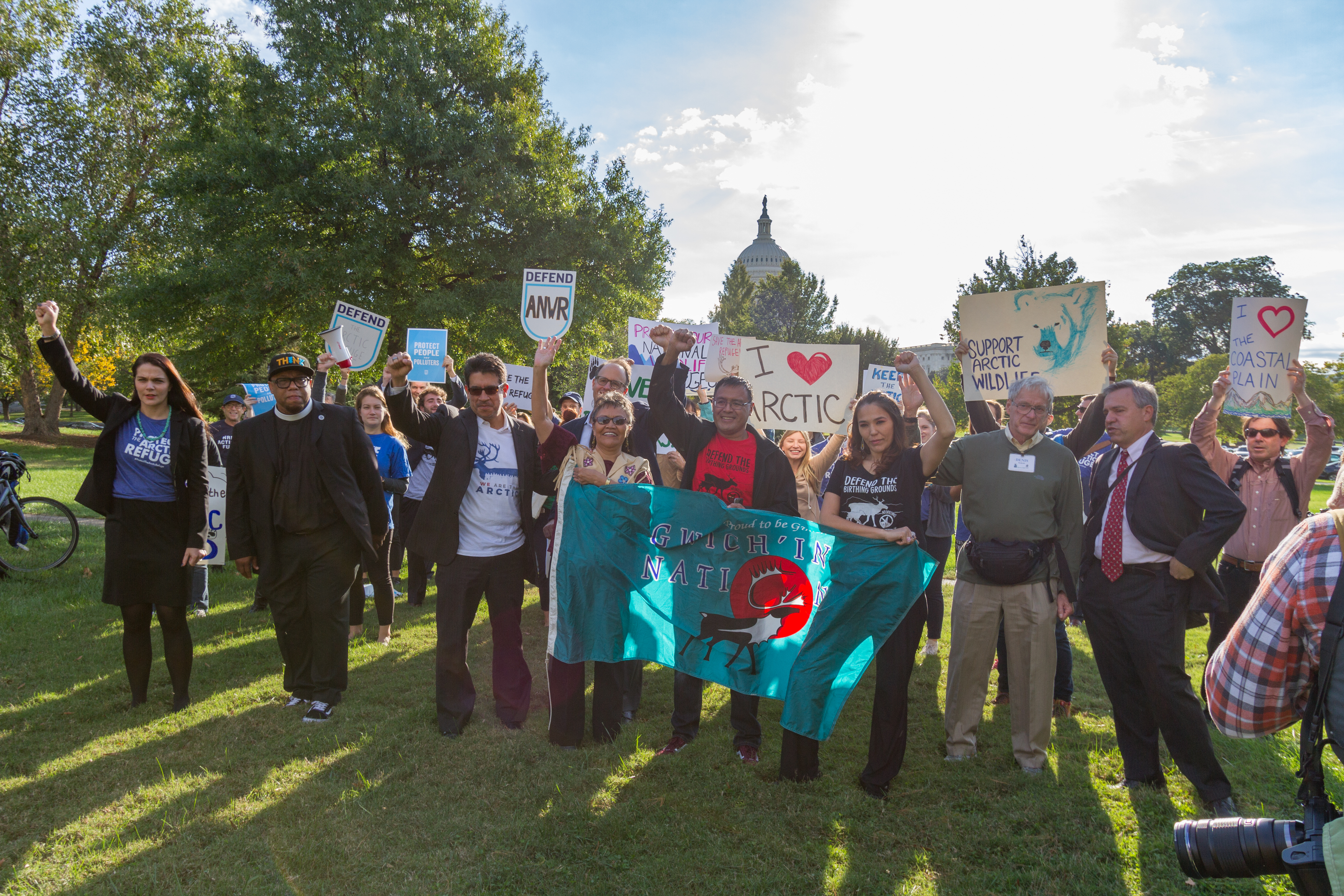
When thousands of people tell companies don’t bid, it tells CEOs their brand will take a hit, it tells banks and insurers this project is toxic, and it tells decision-makers that drilling the Arctic is a major liability.
We’ve seen it before. Public pressure helped drive major oil companies and big banks away from the Arctic Refuge. It helped turn past lease sales into flops. And we can do it again.
Add your name today to send a clear message: The Arctic isn’t your backup plan. Don’t bid. Don’t drill. Stay out.