 News
News
Public Lands Under Pressure: From the Arctic to Your Backyard
May 6, 2026
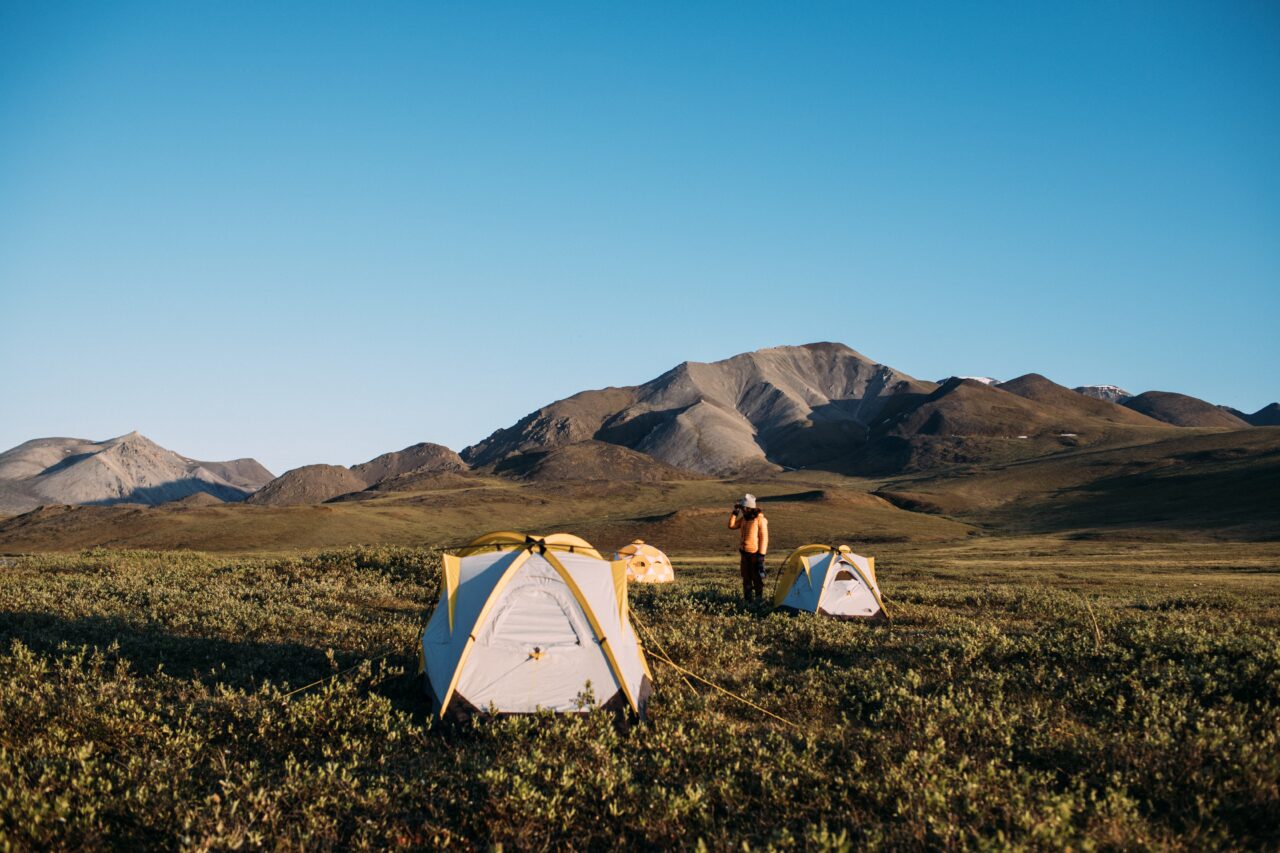
Ask most Americans what they know about the Arctic, and you’ll likely hear something like, “It’s far away.” Or “I’ll probably never get to go there.” Or even “I have no idea where that is.” And they’re mostly right. The Arctic is vast, wild, and remote. Most people will never stand on the coastal plain of the Arctic Refuge, never watch the Porcupine Caribou herd migrate across the tundra, never hear the silence of a landscape untouched by roads or cities or noise.
And yet, what happens in the Arctic doesn’t stay in the Arctic.
Whether you live in upstate New York or the Deep South, the Midwest or the mountains of Colorado, the coast of California or somewhere in between, the Arctic is connected to you. And right now, the policies being made in the stuffy halls of Congress in D.C. about that distant, breathtaking place are policies that affect every American who cares about public lands, clean water, wildlife, and the wild places that belong to all of us.
Why the Arctic?
It’s a fair question. The Arctic Refuge alone spans more than 19 million acres of wilderness in northeastern Alaska. There are no roads, no trails, and no campgrounds. It’s one of the last truly wild places left on Earth. The coastal plain, a 1.6-million-acre stretch along the Beaufort Sea, is the calving ground of the Porcupine Caribou herd and home to polar bears, musk oxen, wolves, and hundreds of species of migratory birds that travel to all 50 states and six continents. For the Gwich’in people, it’s sacred, they literally call it “the sacred place where life begins.”
But the Arctic isn’t just a place for those who can reach it. It’s a place that belongs to every American, and what happens there matters to every American. The birds that nest on the coastal plain in summer return to backyards, wetlands, and flyways across the country. The caribou that have sustained the Gwich’in for millennia are part of an ecosystem that influences climate and biodiversity far beyond Alaska’s borders. And the decisions being made about the Arctic, about whether to drill it, protect it, lease it, or preserve it, are being made through policies that touch public lands from Minnesota to Montana to Wyoming and beyond.
The policies that shape what happens to the Arctic aren’t Alaska policies. They’re American policies, written by Congress, signed by presidents, implemented by federal agencies that manage hundreds of millions of acres of public land from coast to coast.
A Wave of Policy Changes
Across the country, there’s been a rapid restructuring of how public lands are managed, who has a say, what gets prioritized, and who benefits.
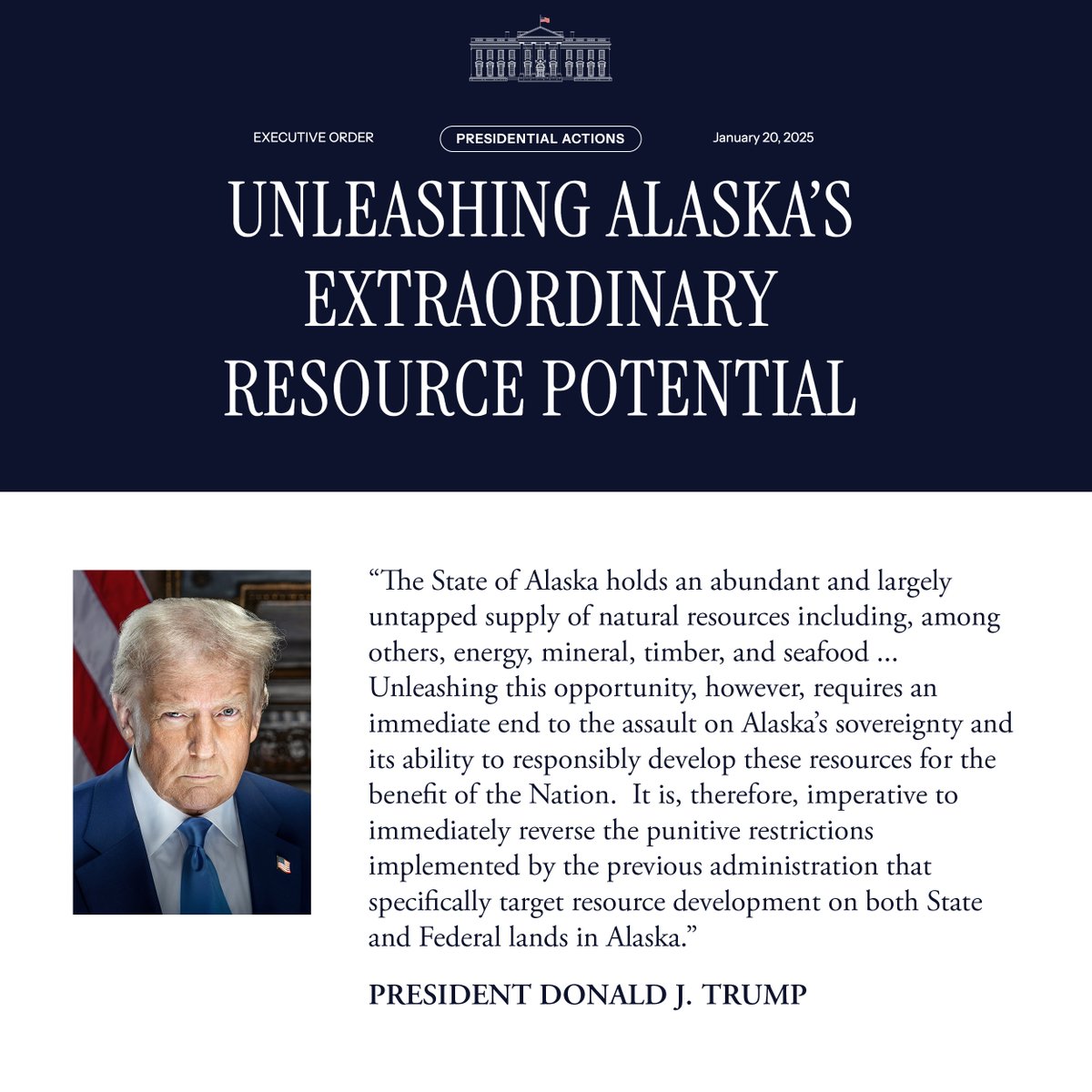
On day one of the current Trump administration, an executive order titled “Unleashing Alaska’s Extraordinary Resource Potential” directed federal agencies to reverse protections across Alaska, including the Arctic Refuge, the Western Arctic, and the Tongass National Forest. Interior leadership followed with orders rolling back climate priorities and removing limits on energy development.
Then came massive budget cuts. A proposed 35% reduction to key land management agencies, including the National Park Service, U.S. Fish and Wildlife Service, and Bureau of Land Management. Thousands of staff positions have been eliminated or left unfilled, including rangers, scientists, and land managers.
The result is visible on the ground, from closed ranger stations, unmaintained trails, reduced scientific monitoring, to fewer people responsible for overseeing hundreds of millions of acres of public land.
Public lands without the people to steward them aren’t really protected, they’re just waiting.
The “One Big Beautiful Bill”
A sweeping budget package passed in July 2025 reshaped federal land policy across the country, not just in Alaska.
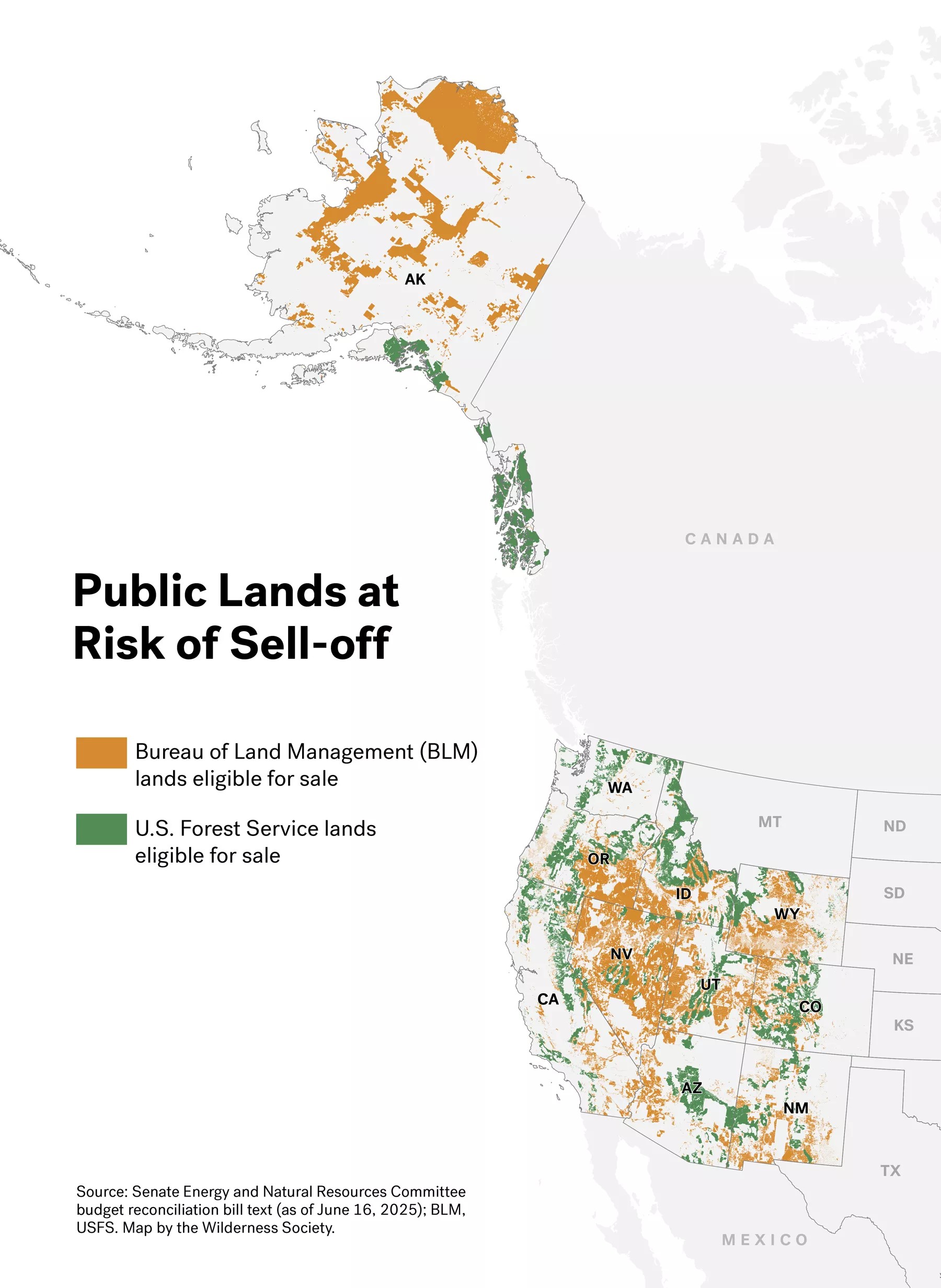
While proposed land sales in the West were removed after public pushback, the final law still dramatically expanded fossil fuel leasing and reduced environmental protections.
It mandates quarterly oil and gas lease sales across more than 200 million acres of public land, removing agency discretion to protect sensitive areas. It requires millions of acres in the Western Arctic to be opened for leasing and mandates drilling in the Arctic Refuge coastal plain while limiting public input and judicial review.
It expands coal leasing, increases fees on renewable energy development on public lands, and reduces funding for national parks.
These decisions don’t just stop in Alaska. They affect Wyoming, Montana, Colorado, New Mexico, Utah, Nevada, California, and beyond, shaping wildlife habitat, water systems, recreation economies, and public access nationwide.
The CRA: One Tool in a Much Bigger Toolbox
Outside the halls of Congress, few people are familiar with something called the Congressional Review Act (CRA), but they should because it’s one of the most powerful and consequential tools in American politics, and it’s increasingly being used to dismantle protections for the public lands and waters that belong to all of us.
The CRA was originally designed to allow Congress to review major federal regulations. Historically, it was used sparingly, only once in its first 20 years. But in recent years, it’s been expanded, weaponized, and stretched far beyond its original intent.
In 2017, the Trump administration used it to invalidate 17 Obama-era rules. In 2025 alone, 22 CRA repeals were signed into law. And each repeal carries a particularly alarming consequence because once a rule is overturned by the CRA, a future administration is barred from issuing anything “substantially similar” without an act of Congress. A single vote can permanently foreclose future protection, shutting the door not just for today, but for generations.
Now, since 2025, it’s been used to overturn land management plans across Alaska, Montana, Wyoming, and North Dakota.
It took years of public input, environmental review, and collaboration to build these protections. It takes one vote to erase them, and another act of Congress to restore them.
From the Arctic to Your Backyard
If you thought some of these policies, like the CRA, were just an Alaska problem, think again.
In January 2026, the House passed a CRA resolution to overturn a 20-year mining ban protecting the headwaters of the Boundary Waters Canoe Area Wilderness in northeastern Minnesota. In April 2026, the Senate followed, voting to open more than 225,000 acres of the Superior National Forest to sulfide-ore copper mining, even though the U.S. Forest Service had concluded such mining would cause irreversible harm to the ecosystem.
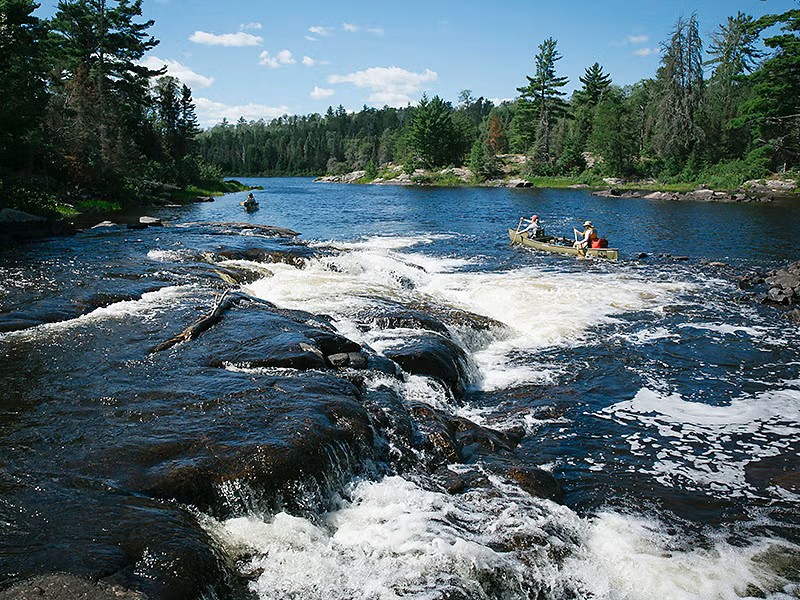
The Boundary Waters is a 1.1-million-acre designated Wilderness Area, one of the most visited wilderness destinations in the country, with roughly 250,000 visitors each year. The 20-year mining ban at its headwaters was put in place in 2023 after years of extensive public input. That process, that democratic, science-based process, was undone in a matter of months by a simple majority vote using a tool that was never intended for this purpose.
The same playbook. The same tool. The same consequences. Whether it’s the Arctic Refuge’s coastal plain in Alaska or the birch forests of northern Minnesota, policies are being used to dismantle public land protections across the country, one resolution at a time.
The Stakes for Every American
Public lands belong to every American. Every acre of the Arctic Refuge, every mile of the Boundary Waters, every stretch of BLM land in Wyoming or Montana or central Alaska, these places are held in trust for all of us. And the decisions being made about them right now are decisions about who gets to use those places, and for what, and whether future generations will have them at all.
When policies are used to overturn a resource management plan in Buffalo, Wyoming, it affects the ranchers and hunting outfitters and outdoor recreation businesses who depend on balanced, responsible management. When it’s used to repeal a leasing plan in the Arctic Refuge, it cuts the Gwich’in people out of their own future and opens sacred calving grounds to industrial drilling. When it’s used to erase a mining ban at the Boundary Waters, it threatens the clean water that communities across northern Minnesota rely on and sets a precedent that every protected landscape in America is vulnerable.
What’s happening is a coordinated shift in how public lands are defined, managed, and valued. Executive orders. Budget cuts. Large-scale leasing mandates. Legislative overrides of long-standing protections. Together, they form a pattern, faster approvals for extraction, fewer protections, reduced public participation, and diminished agency capacity.
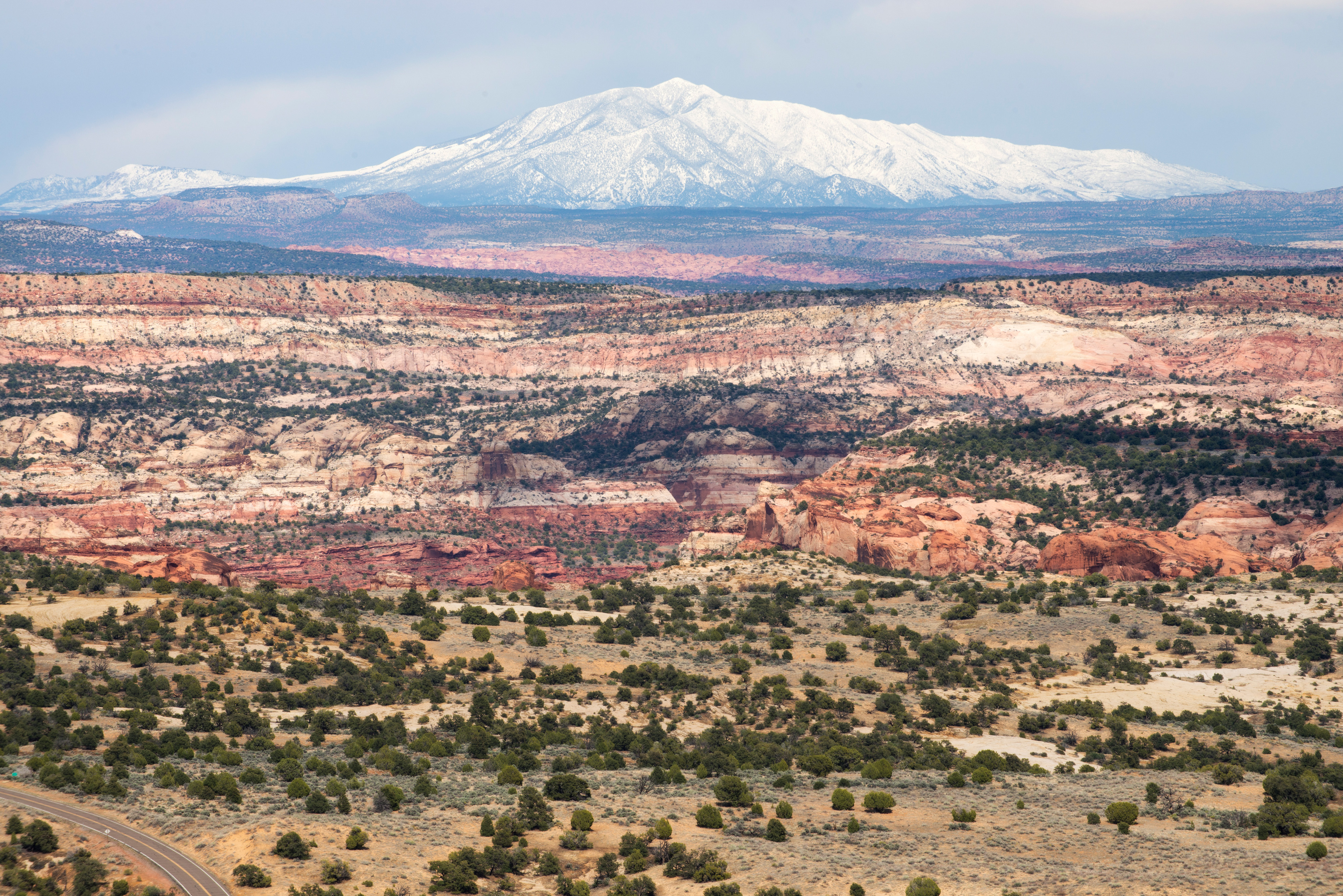
Photo Credit: BLM / Tarpley
And the Arctic is often the front line because it’s remote, symbolic, and easy to overlook.
But it reflects a larger question: Who are public lands for?
Everything is Connected
So, sure, you may never set foot in the Arctic. You may never paddle the Boundary Waters or drive through the open range of the Powder River Basin. But the birds that nest in these places pass through your sky, in your backyard. The water that flows through these watersheds feeds rivers and ecosystems that stretch across the continent. The policies that strip them of protection are the same policies, written by the same hands, using the same tools, that could one day come for the public lands near you.
From upstate New York to the Deep South. From the Midwest to the Rockies to the Pacific Coast. The Arctic isn’t a faraway problem. It’s the frontline of a much larger fight, a fight about who gets to make decisions about public lands, how fast and with how little accountability, and whether the voice of Americans who say “protect these places” still means anything in D.C.
We believe the Arctic belongs to all of us, and so does the responsibility to defend it. Because everything is connected. And the decisions being made today will determine what kind of country, and what kind of wild places we leave behind.
Will you go beyond your backyard?
By donating and/or signing, you will join Alaska Wilderness League’s Activist Network and receive communications from both Alaska Wilderness League and affiliate Alaska Wilderness League Action. We will keep you informed with the latest alerts and progress reports.