 News
News
Protecting America’s Roadless National Forests
April 27, 2026
In the United States, public lands have often been treated like they exist for one main purpose: extraction. The actions of this administration treat them as if it’s public, it’s “available.”
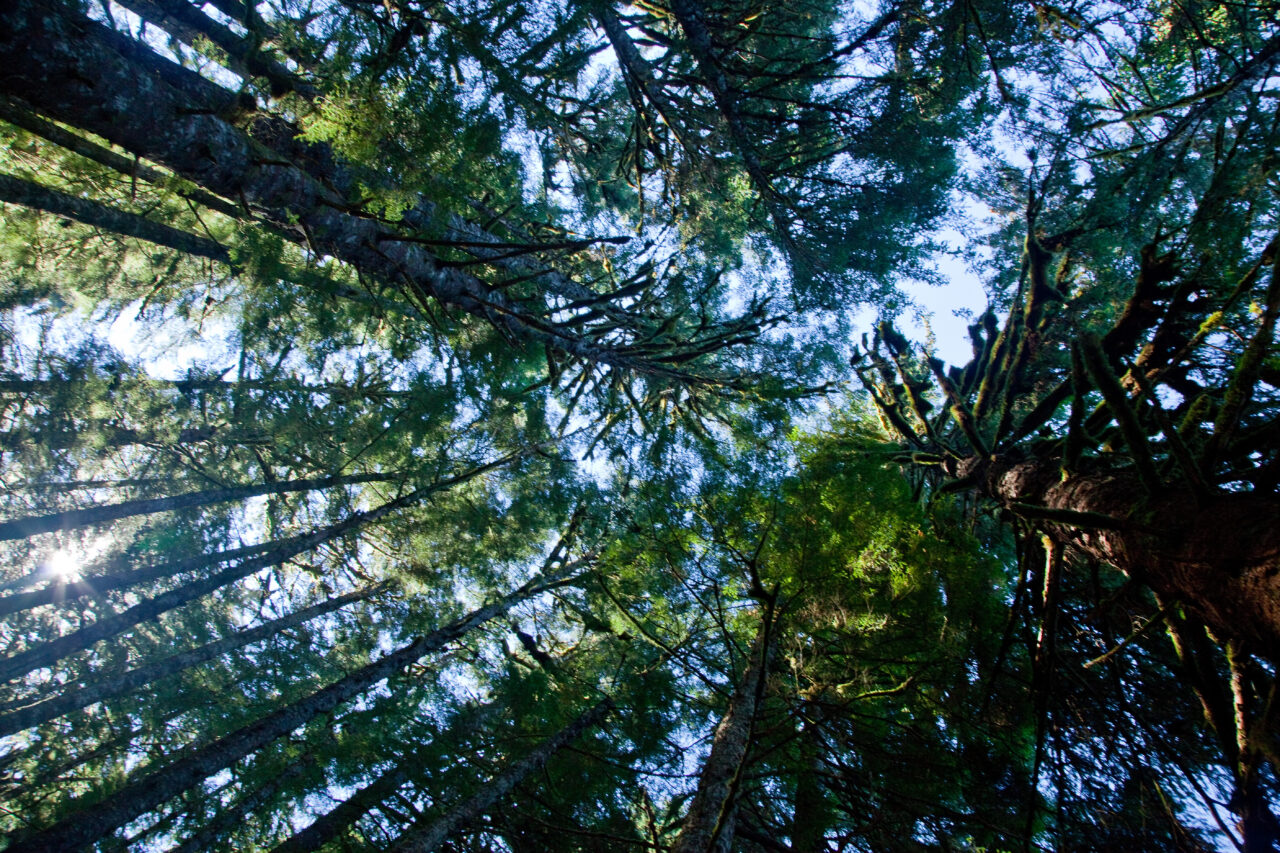
Although that idea isn’t always said directly or out loud, it shows up clearly in how decisions get made, especially in national forests, where roadbuilding is usually the first step toward things like mining, large-scale logging, and other forms of industrial extraction that permanently reshape the landscape.
That pattern is exactly what the Roadless Rule was designed to help fix. It protects some of the last large, intact national forests from new road construction and large-scale development.
Today, that protection is again being targeted by the Trump administration, with efforts underway to roll it back nationwide. If that happens, tens of millions of acres of national forests could be opened to new roads and industrial use. Many of these areas are among the least fragmented forests left in the country.
It’s also no coincidence that this is unfolding alongside a broader restructuring at the U.S. Department of Agriculture (USDA) and the Forest Service itself, where staffing, capacity, and decision-making authority have been under sustained pressure and internal change. Weakening the Roadless Rule at the same time the agency responsible for managing these lands is being reshaped compounds risk across the entire system, reducing both the guardrails on the landscape and the institutional capacity meant to defend it.
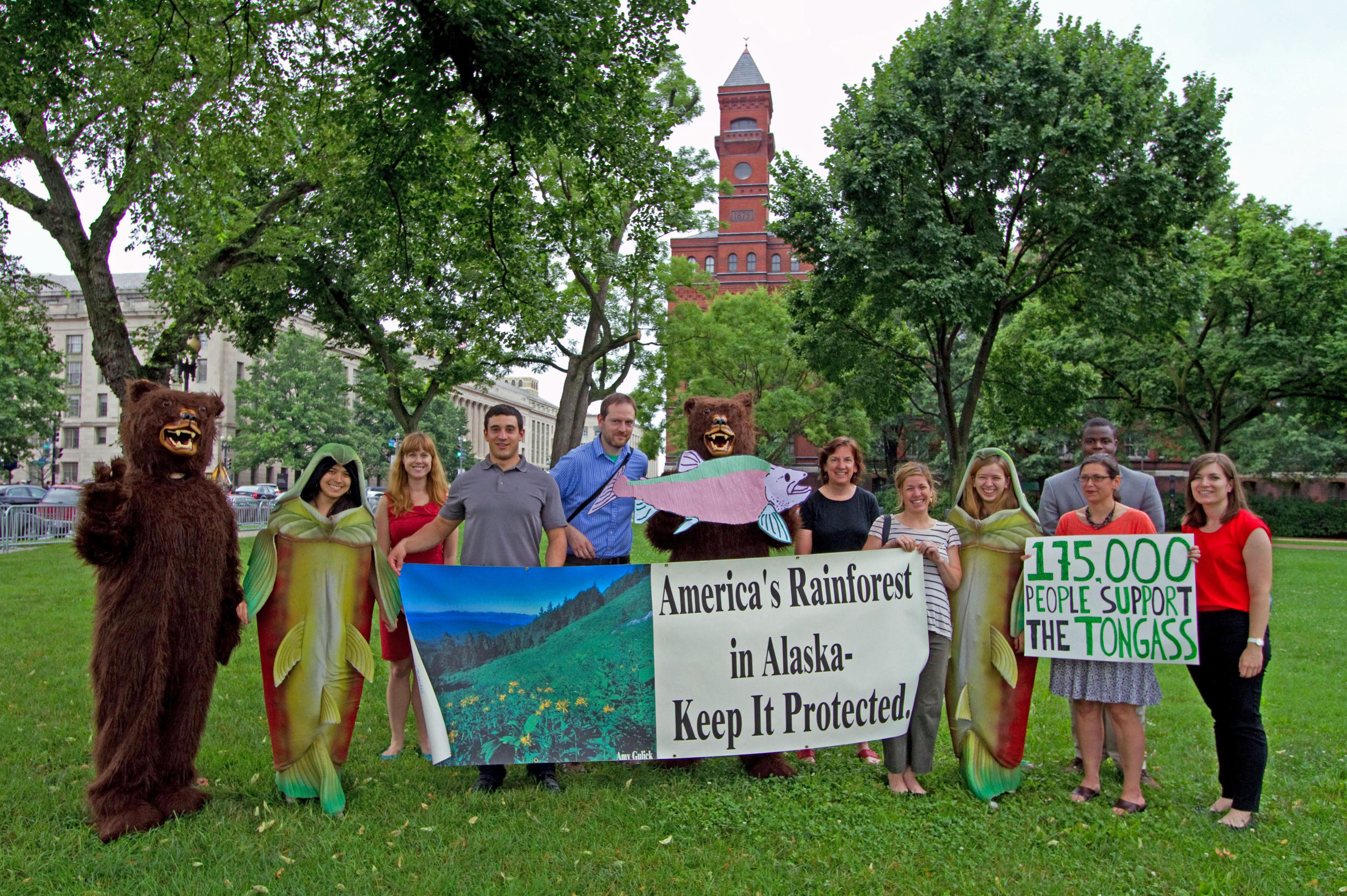
Alaska Wilderness League is no stranger to this fight. For years, we’ve worked alongside Tribal governments, local communities, and conservation partners to resist repeated attempts to open forests to clear-cutting and new roads, especially in places like the Tongass and Chugach. Because what’s at stake is whether these ecosystems remain intact long enough to function at all, supporting climate stability, salmon runs, and the communities that depend on them.
And to understand why this fight keeps coming back, you have to understand what roads actually do to a forest in the first place.
The Roadless Rule
As Dr. Seuss’s Lorax once said, “It’s not about what it is, it’s about what it can become,” and a road in a forest can change everything.
By the end of the 20th century, national forests already contained more than 380,000 miles of roads. That network fundamentally reshaped how these ecosystems function. It disrupted wildlife habitat, cutting ecosystems into smaller and more isolated patches. It altered salmon systems through sedimentation, stream channel changes, and blocked access to spawning grounds. It changed how water moves through entire watersheds in ways that continue long after roads are no longer actively used.
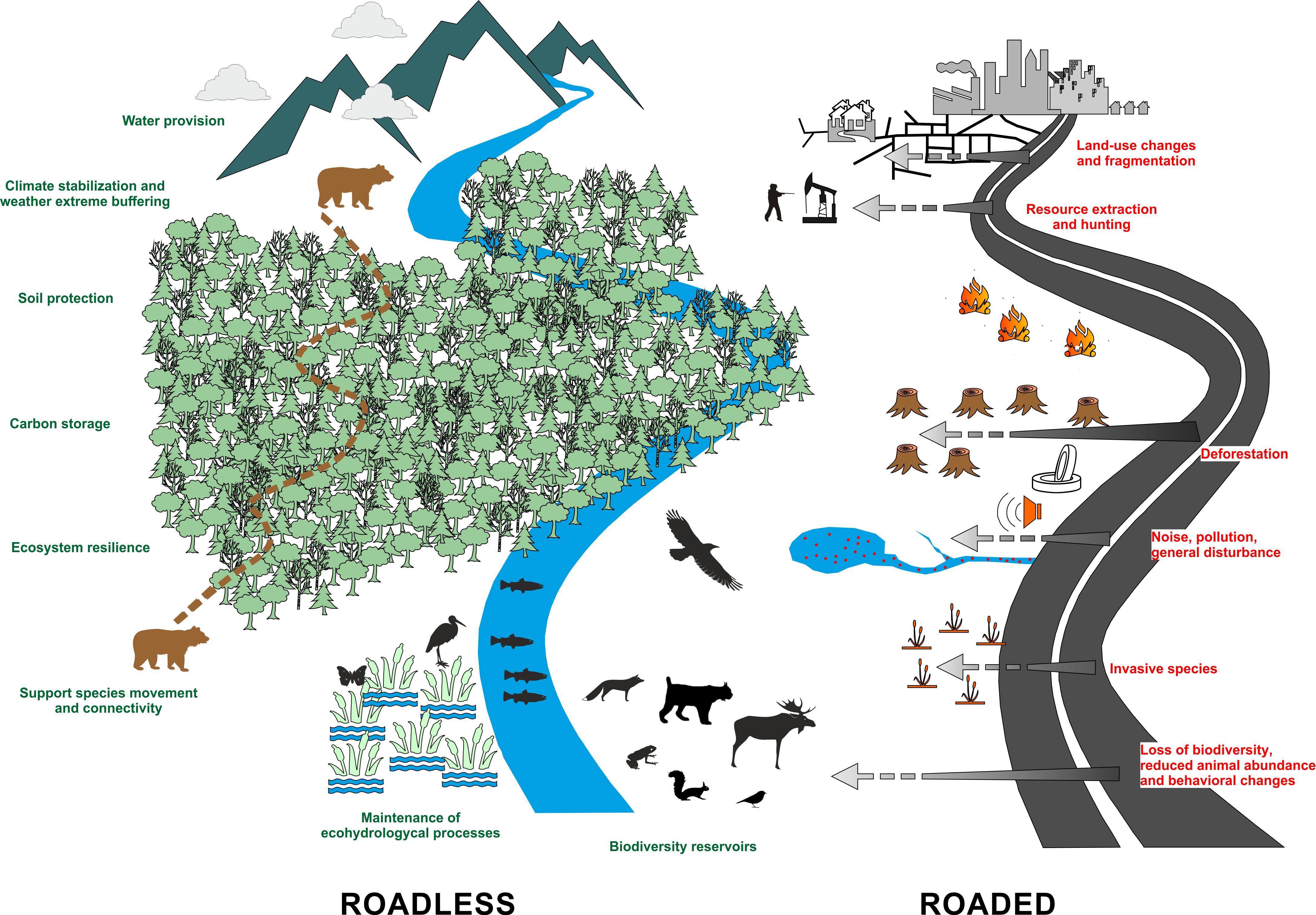
The Roadless Rule is one of the most significant conservation actions taken for national forests in modern U.S. history. In 2001, after years of scientific analysis, public comment, and environmental review, the U.S. government finalized the Roadless Area Conservation Rule, which protects 58.5 million acres of National Forest land, about a third of the entire Forest Service system. The rule prohibits most new road construction in those areas and significantly limits large-scale timber harvests in these landscapes, recognizing that once fragmentation begins, it rarely ever stops.
The Tongass and Chugach National Forests
Nowhere is that pressure more visible than in Alaska.
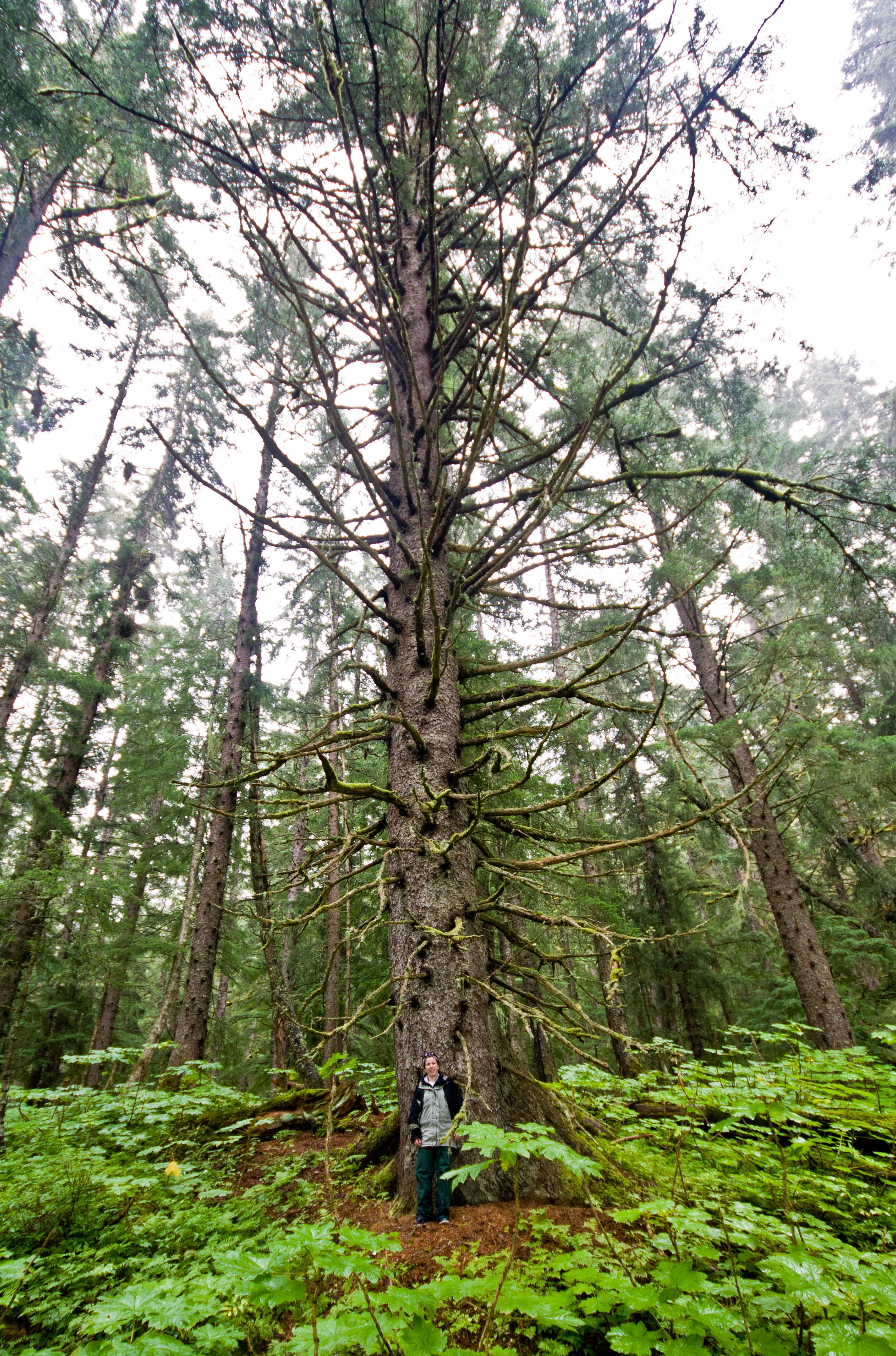
The Tongass National Forest is the largest temperate rainforest in the world, covering about 17 million acres in Southeast Alaska. It contains old-growth forests, salmon-bearing rivers, and coastal ecosystems that support extraordinary biodiversity. Within it, the Roadless Rule protects more than 9 million undeveloped acres, over half the forest, keeping these landscapes intact and connected, rather than divided by industrial access. These areas are critical for salmon habitat, subsistence use, and not to mention stores 8-10 percent of carbon in the U.S.
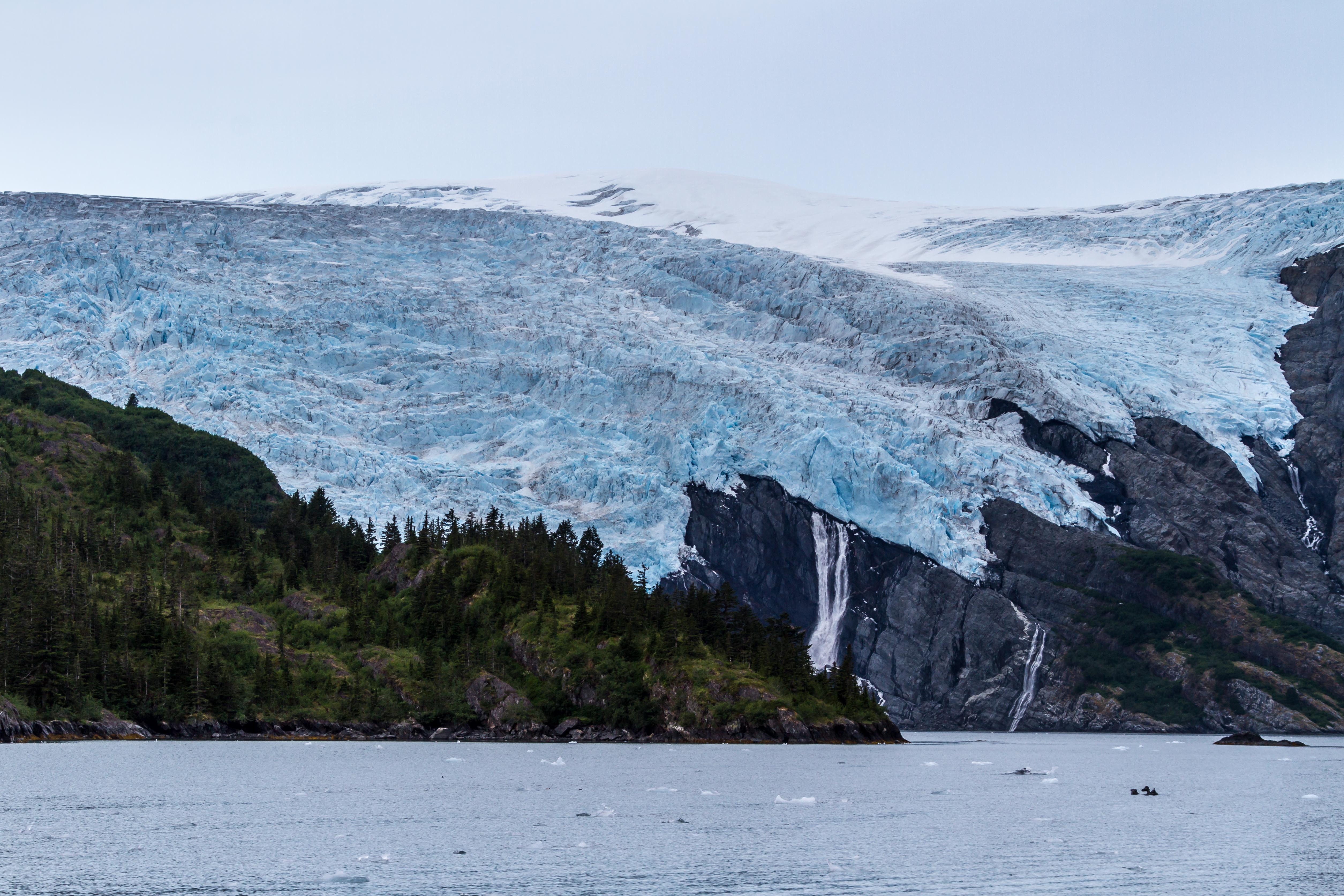
The Chugach National Forest spans about 5.4 million acres in southcentral Alaska and includes glaciers, fjords, and river systems shaped by ice and meltwater. Its roadless areas protect headwaters that feed salmon-producing watersheds flowing into Prince William Sound and the Copper River Delta. What happens upstream here determines the health of entire coastal ecosystems downstream.
Together, these roadless areas are functioning systems that support fisheries, climate resilience, and watershed stability. And because they remain unfragmented, they still have the capacity to adapt. That capacity disappears the moment a road gets built. Which is why these places have been a target for decades.
A Long History
The Roadless Rule has never been politically stable. Since its creation, it has been repeatedly challenged in court, revised through administrative action, and targeted for exemptions or repeal. In the early 2000s, it was replaced with a state-by-state petition system that was later struck down in federal court, restoring nationwide protections. Each attempt has followed the same arc: weaken the rule, open the door, then face legal and public pushback that forces it back into place.
In 2020, the Trump administration removed Roadless protections from the Tongass explicitly and exclusively, opening millions of acres of old-growth forest to potential roadbuilding and timber harvest. In 2023, that decision was reversed by the Biden administration under a new federal review process, restoring protections once again.
And outside of Alaska, the same vulnerability exists. Roadless areas stretch across Idaho, Montana, Colorado, Oregon, Washington, California, and other states, often serving as the last remaining large, unbroken forest landscapes in regions already heavily developed.
Which brings us to the largest attempt yet to unwind these protections at scale.
The Current Rollback Effort
In 2025, the USDA began the process of removing the Roadless Rule nationwide. If finalized, it would eliminate protections for 58.5 million acres of national forest and allow new road construction in areas that have been protected for more than two decades.
The public comment period for this proposal was 21 days, a grossly short amount of time for something that would change our national forests forever. Despite that, over half a million public comments were submitted opposing the rollback.
If the rule is eliminated, it would remove the legal restriction on road construction in currently roadless areas, effectively turning “protected by policy” into “open season for industrial development.” In practice, that unlocks industrial logging, mining access, and long-term fragmentation of landscapes.
In Alaska, that means it would reopen roadless portions of the Tongass and Chugach, including old-growth forests and remote watershed headwaters that have remained intact for decades. And in other parts of the U.S., it would apply to inventoried roadless areas that currently function as some of the least disturbed forest ecosystems left.
The Roadless Area Conservation Act (RACA)
In response to these rollbacks is a piece of legislation called the Roadless Area Conservation Act (RACA).
Reintroduced in 2025, RACA would codify Roadless Rule protections into law, ending the cycle of administrative reversal that has defined this issue for more than 20+ years. Instead of protections shifting every time leadership changes, it would lock them into statute, placing the baseline of protection beyond the reach of executive reinterpretation.
If passed, the Act would:
- Make protections permanent for roadless areas
- Prohibit new road construction in these areas, with limited exceptions
- Reduce the risk of future rollbacks tied to political change
- Provide long-term stability for forests, wildlife, and watershed health
Since its reintroduction, Alaska Wilderness League has helped build bipartisan momentum behind the bill, working across constituencies to make clear this is not a regional issue or a partisan one. It’s about whether intact public lands remain intact.
What’s Next
Roadless areas include some of the largest remaining connected forest landscapes in the entire National Forest system. These are places where ecosystems still function, where wildlife can live freely without disruption, salmon systems still run from headwaters to ocean, and forests still store carbon and regulate water the way they have for centuries.
The window for shaping the outcome of the Roadless Rule rescission is not closed. A draft environmental impact statement (DEIS) and proposed rule will result in another public comment period sometime in Spring 2026.
This isn’t just a fight for the Tongass or Chugach. It’s a fight for every roadless forest in the National Forest system, for every Tribal nation whose treaty rights depend on healthy ecosystems and federal stewardship being upheld, and for every community whose economies and identities are tied to functioning watersheds and intact wildlands.
Our National Forests are not a renewable resource in any meaningful human timeframe. What’s lost here is lost for generations, if that. And what’s dismantled now will take far longer to rebuild than it took to remove.
We’ve done this before, and we will keep showing up, through every rollback attempt and every effort to chip away at what’s already been secured.