Bristol Bay
Stop Pebble Mine
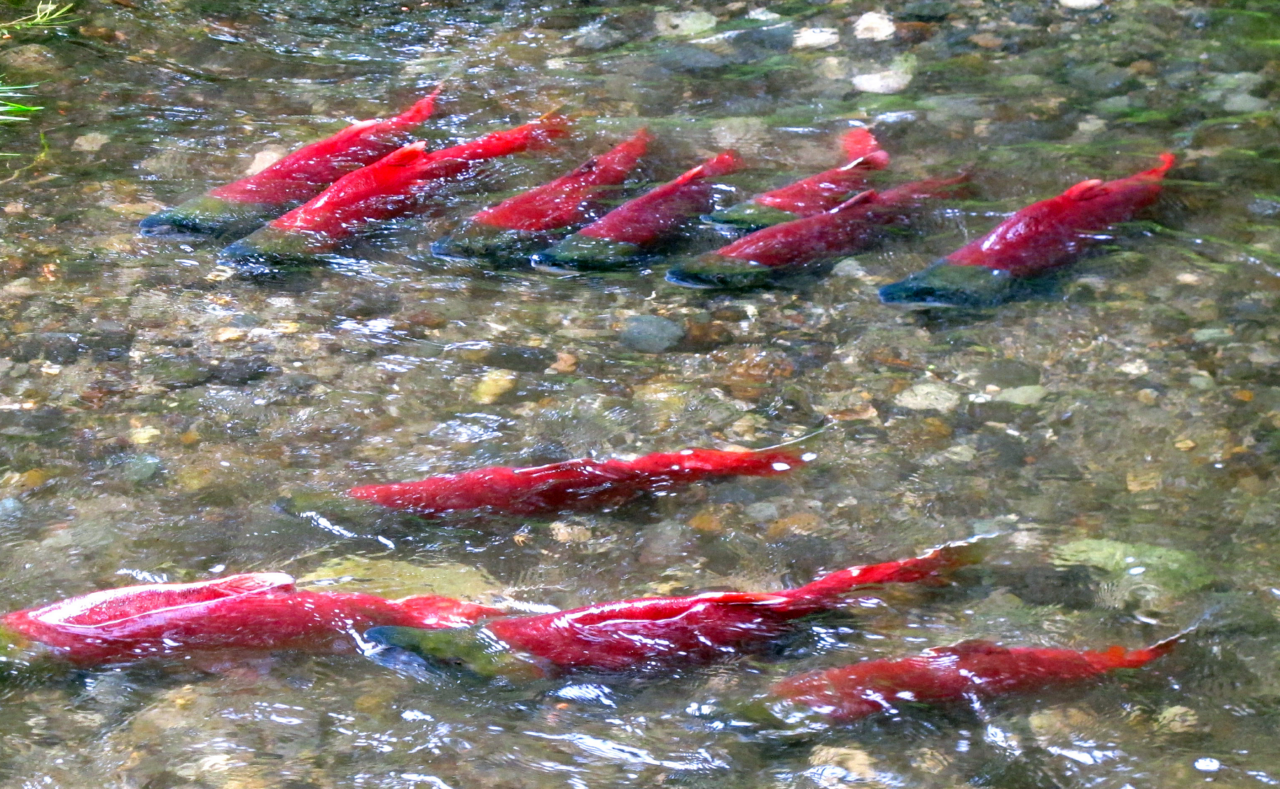
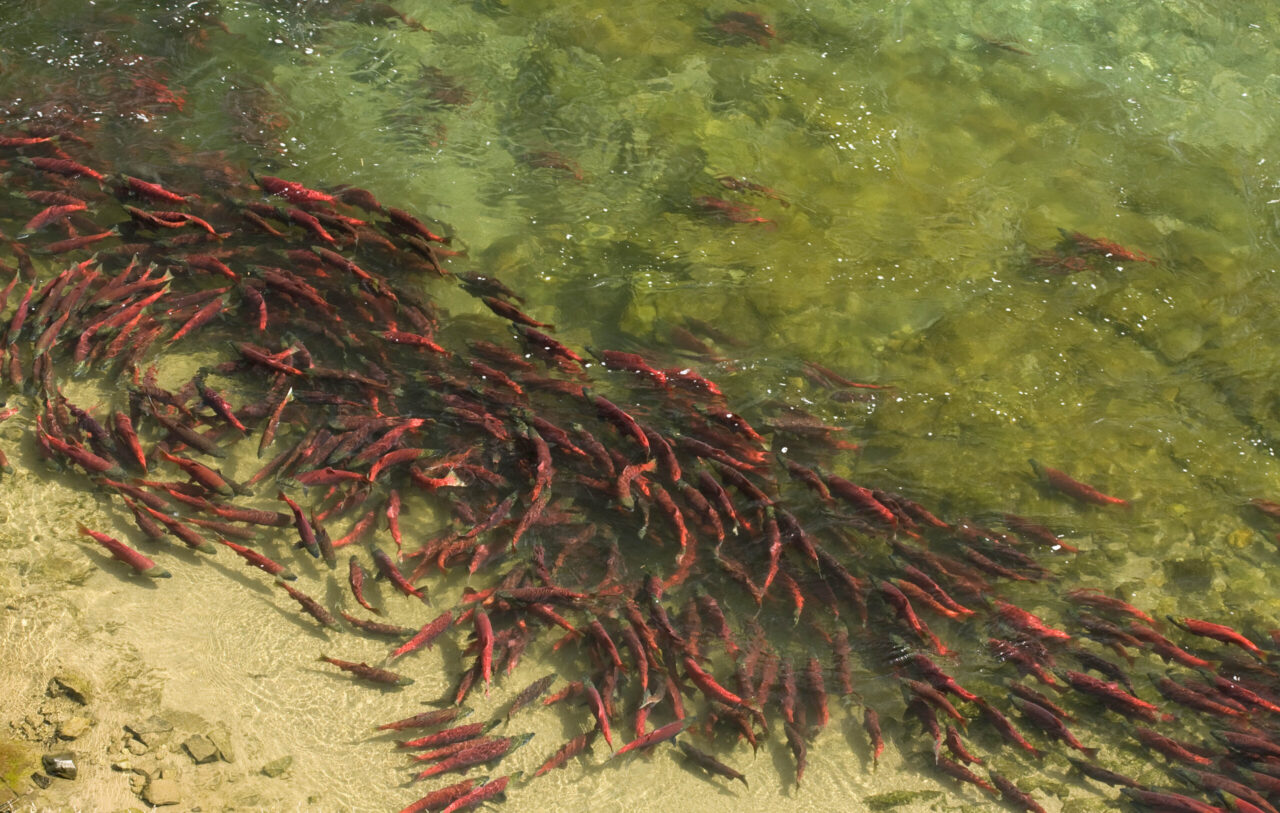
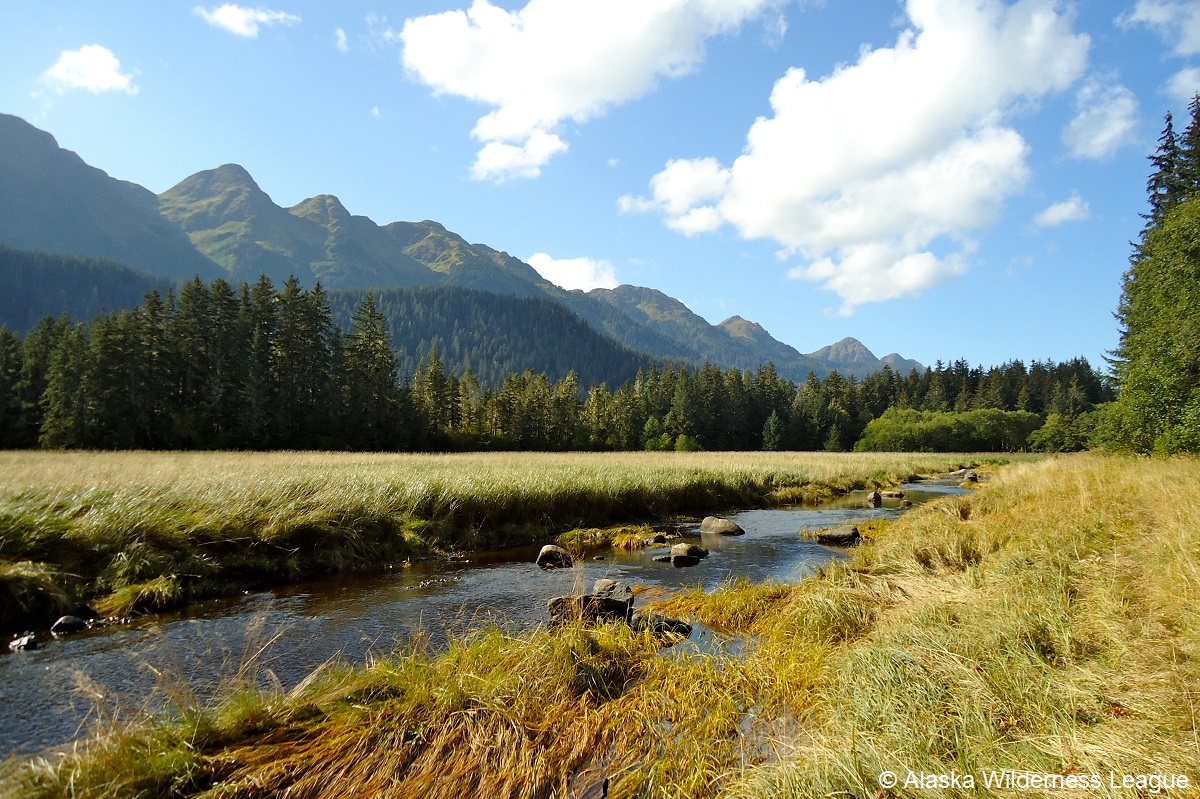
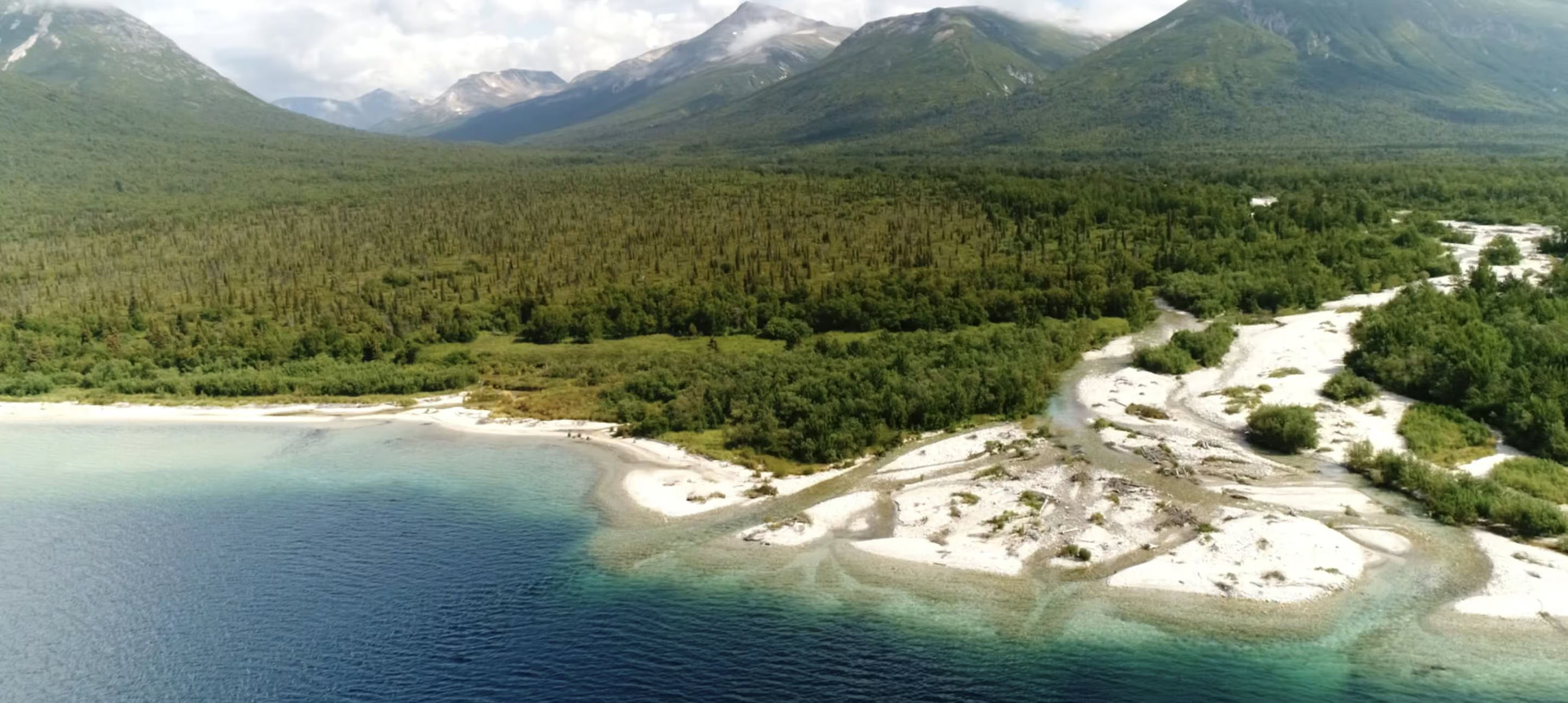
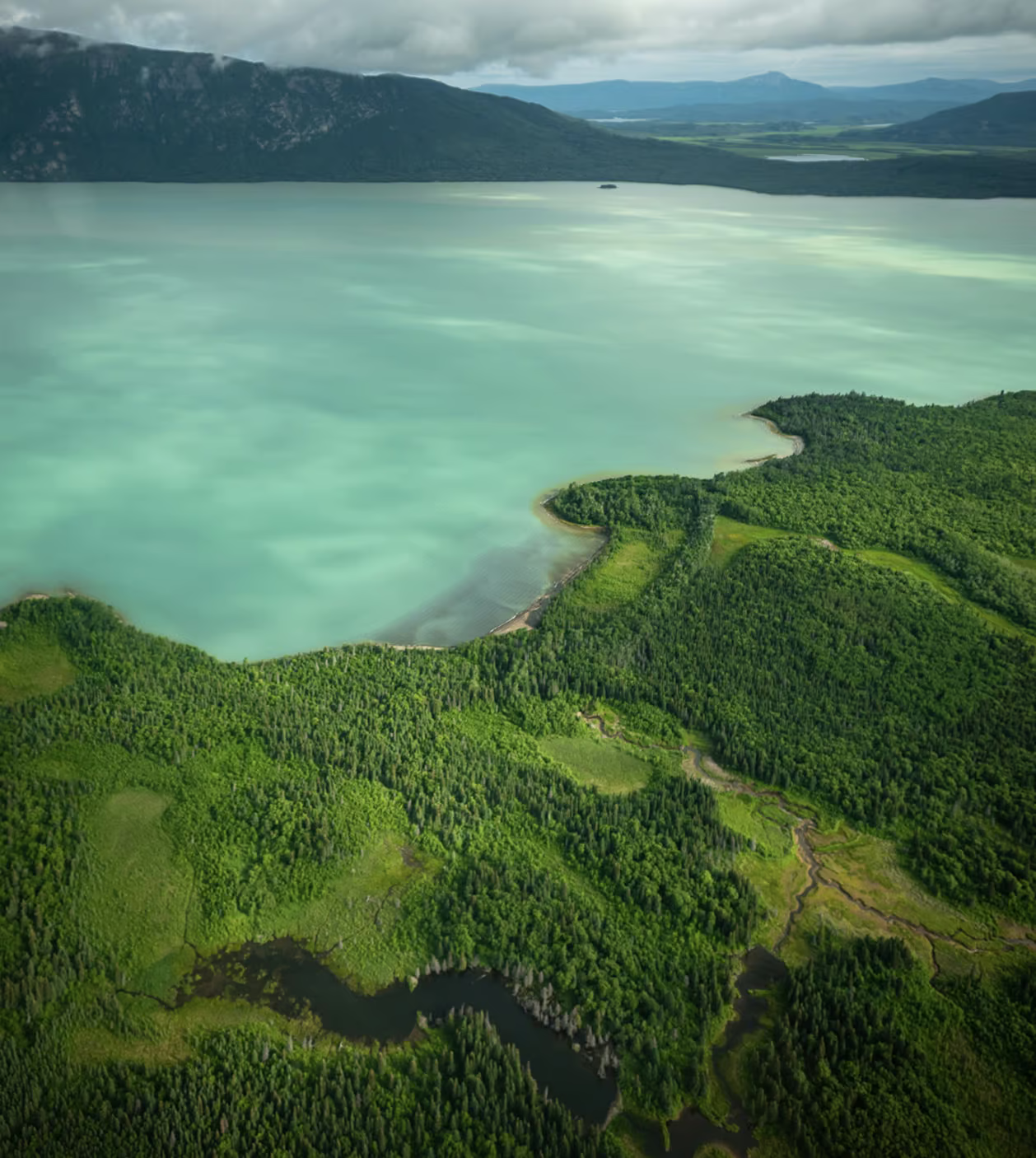
The Bristol Bay watershed in southwest Alaska is home to the world’s largest sockeye salmon fishery, supporting thousands of jobs and sustaining Indigenous communities whose ties to these waters stretch back millennia. Spanning an area the size of West Virginia and fed by nine major river systems, the watershed lies between Katmai, Lake Clark, and Wood-Tikchik—one of the most productive and culturally significant landscapes in Alaska.
Pebble Mine, a massive proposed copper and gold project, threatens this region with billions of tons of toxic waste that would sit at the headwaters of Bristol Bay’s salmon runs. Even limited contamination could irreversibly damage salmon habitat and harm the communities who rely on it.
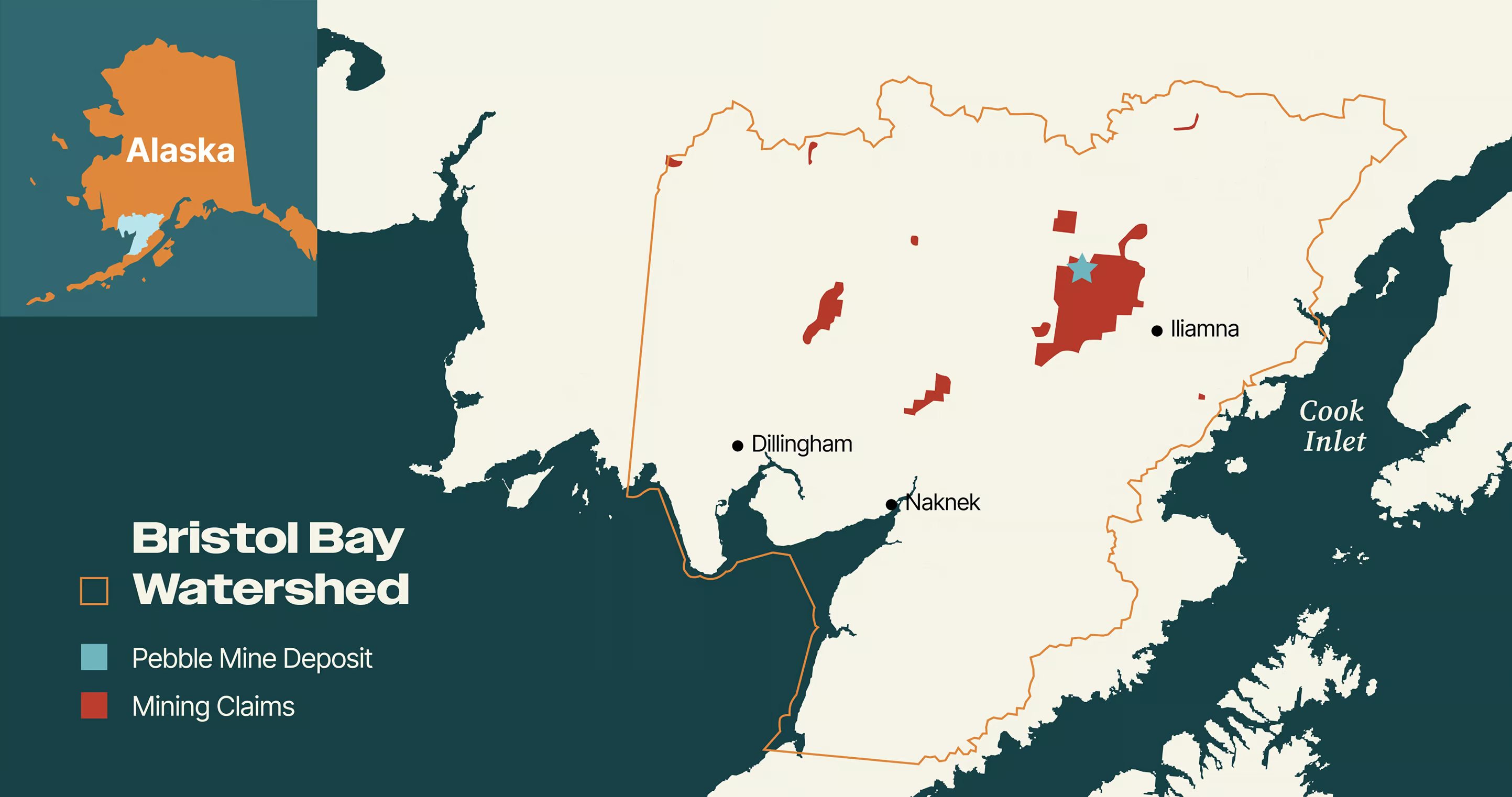
What's at stake
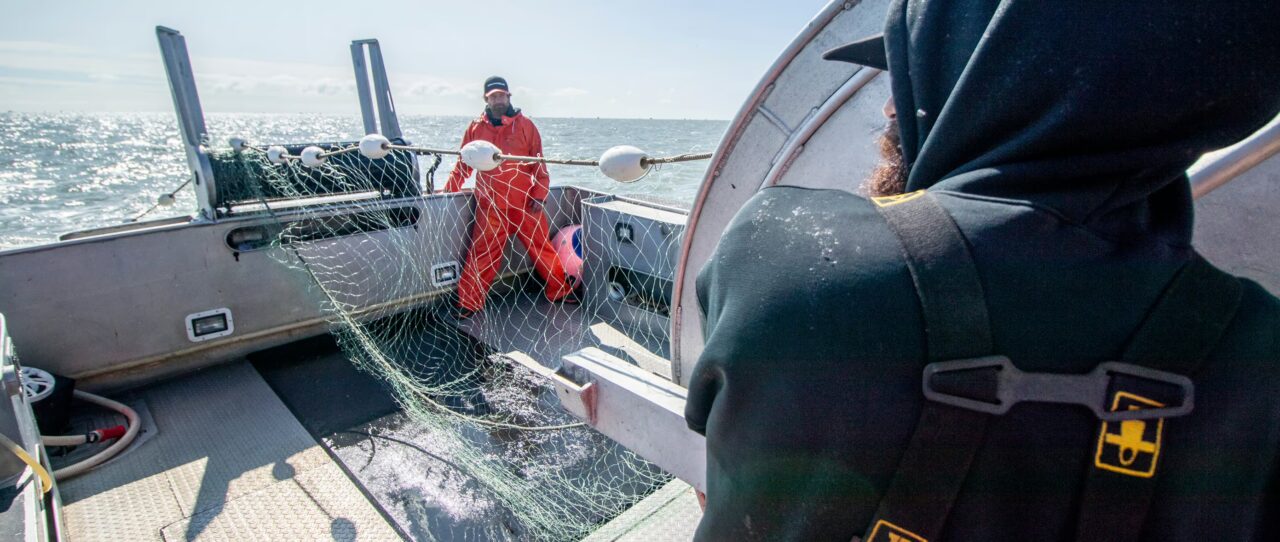
Economic Engine
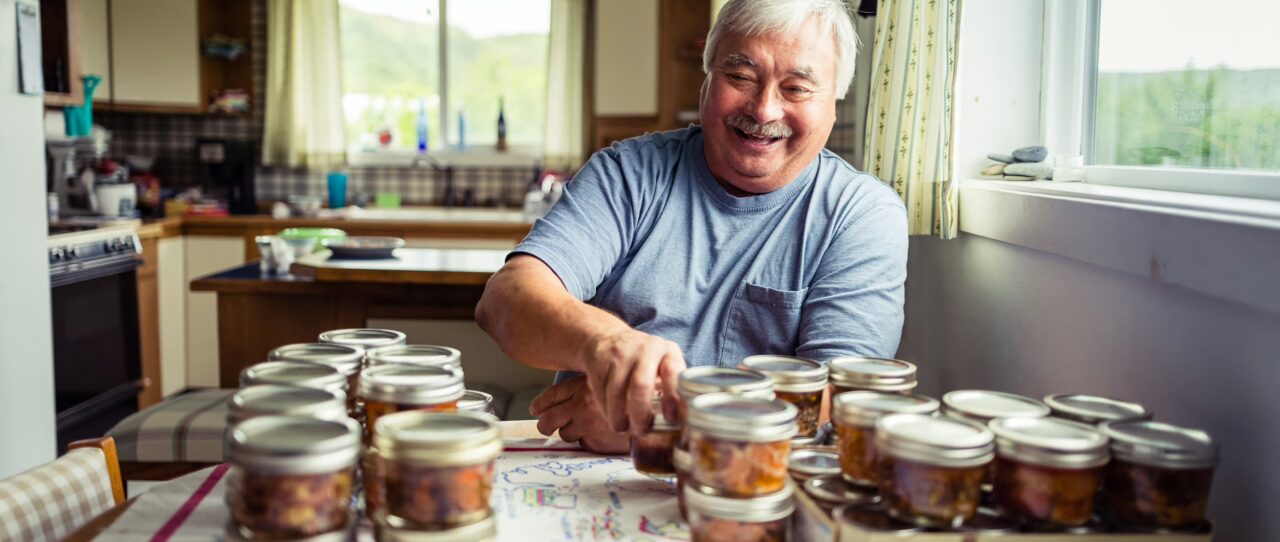
People of Bristol Bay
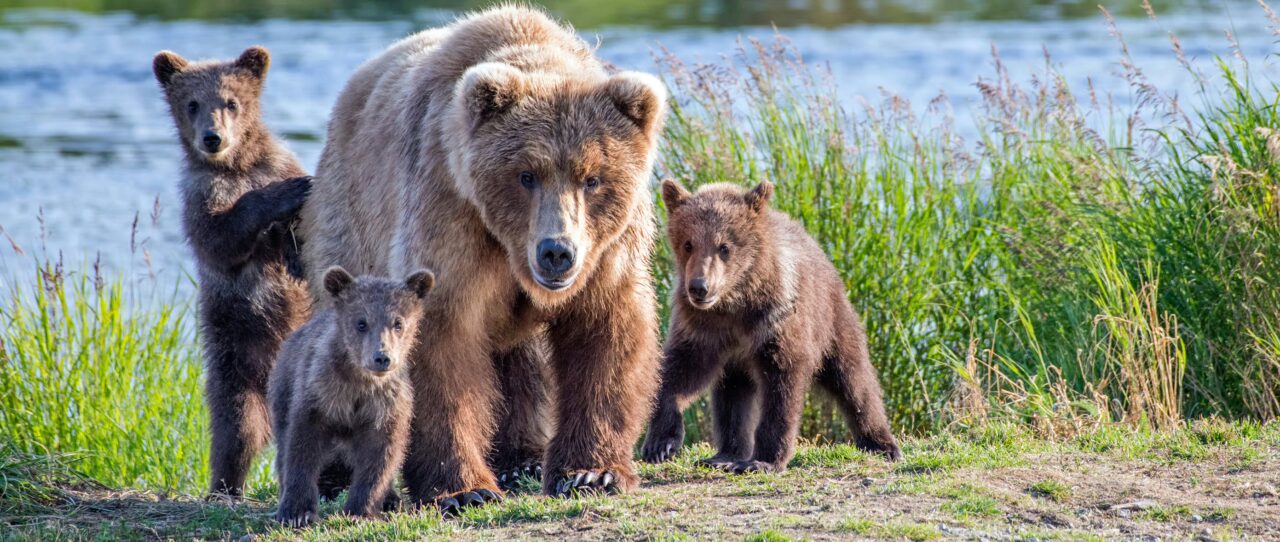
Bears
 Victories
We work to protect Bristol Bay’s wild salmon-driven watershed, ensuring its abundant waters and enduring communities remain strong for generations to come.
Permit denial
Permit denial issued in 2024 for the Pebble Mine by the Army Corps
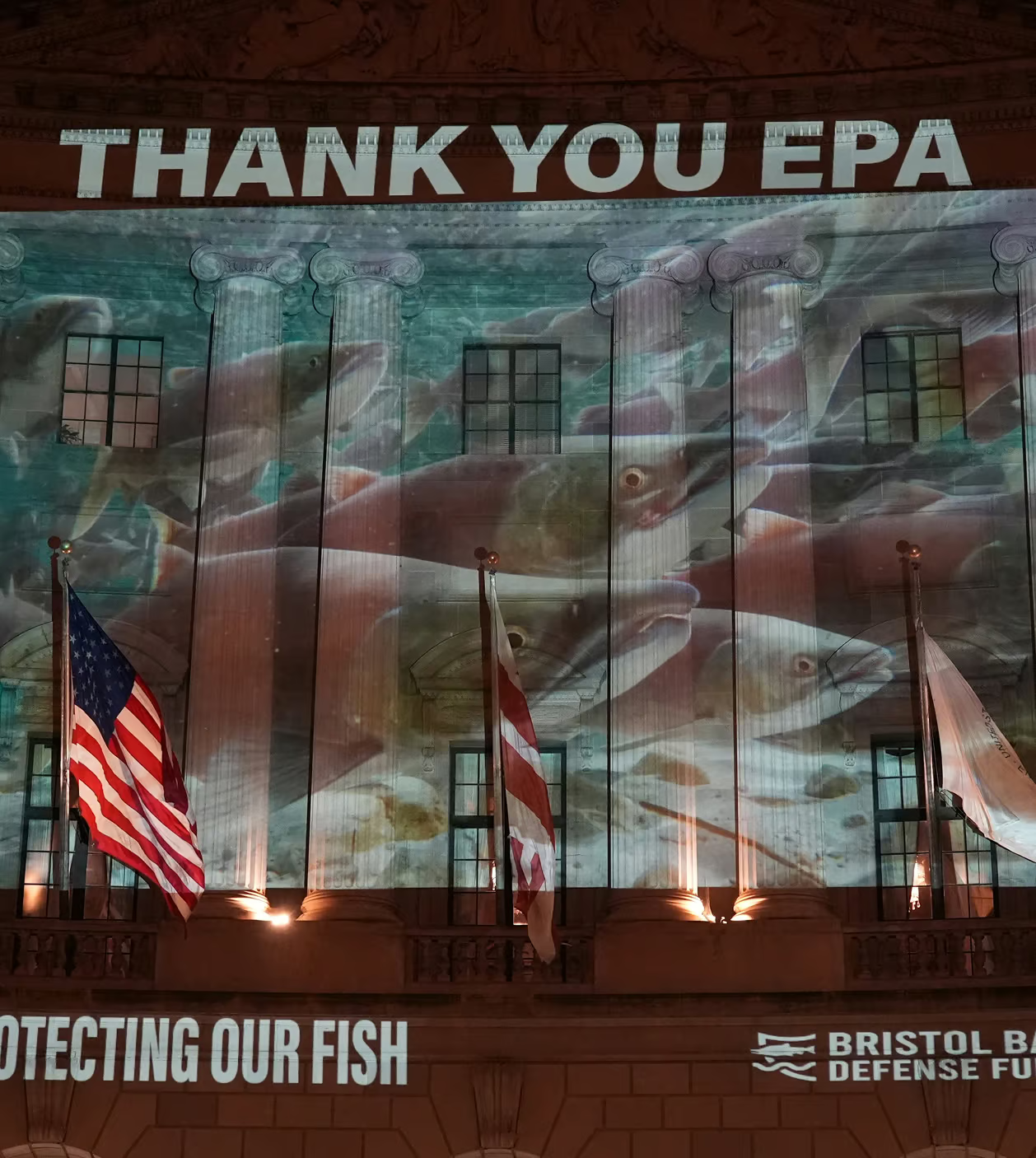
Influenced EPA
Influenced the U.S. Environmental Protection Agency to issue a final decision prohibiting the construction of the Pebble Mine in the headwaters of Bristol Bay
Permit denial
Permit denial issued in 2024 for the Pebble Mine by the Army Corps
Influenced EPA
Influenced the U.S. Environmental Protection Agency to issue a final decision prohibiting the construction of the Pebble Mine in the headwaters of Bristol Bay
KEEP FIGHTING
Significant progress has been made to protect Bristol Bay from Pebble Mine, but securing lasting, permanent protections for the region is work that must continue.