 News
News
Not Quiet on the Western Arctic Front
October 13, 2026
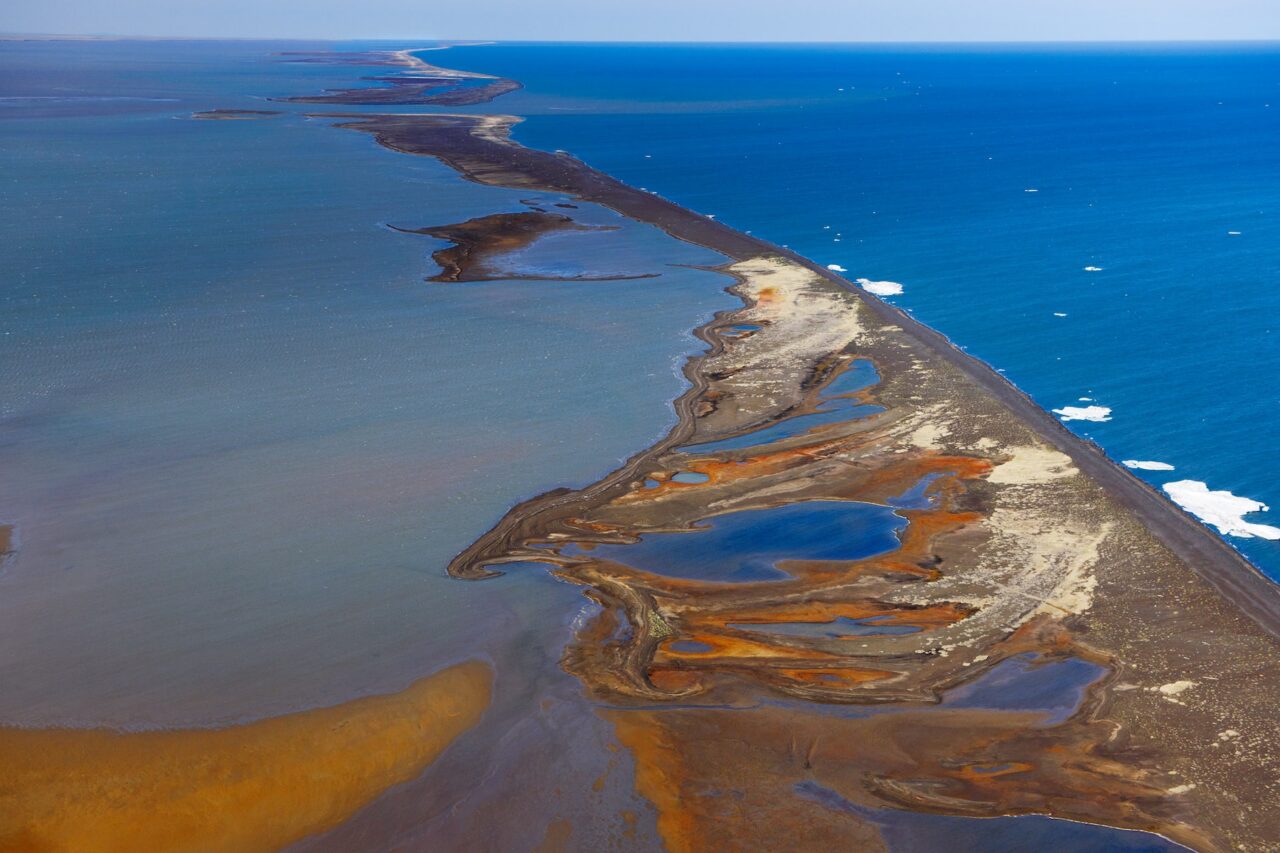
It has been a hard-fought year for Alaska’s public lands, and few places have felt the pressure more intensely than the Western Arctic.
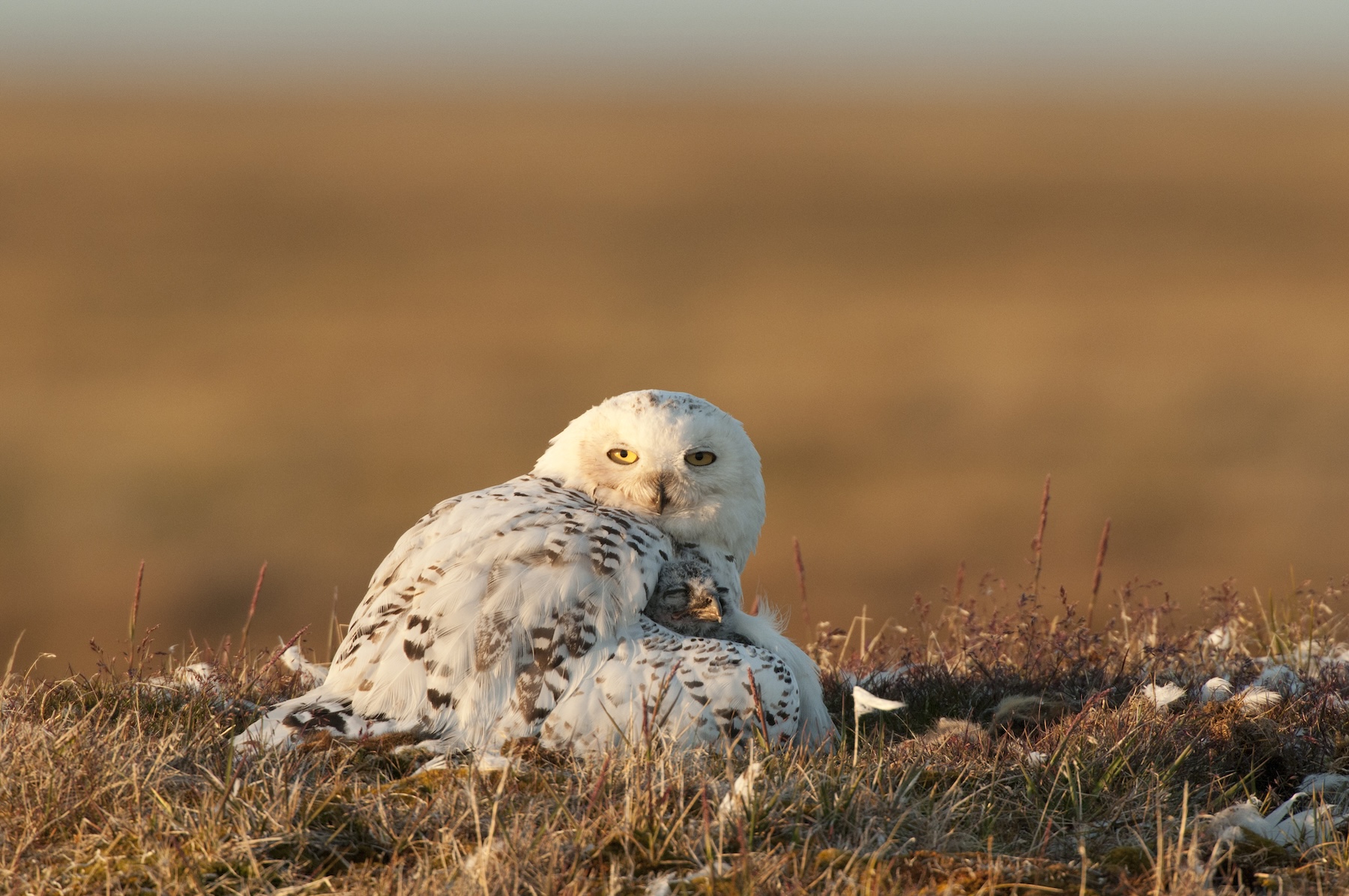
Stretching across more than 23 million acres of federal public land, what is formally known as the National Petroleum Reserve–Alaska (NPRA) is one of the largest expanses of public land in the country. It is also one of the most ecologically important places in the Arctic, supporting caribou herds, migratory birds, fish, polar bears, and other wildlife, as well as the Alaska Native communities whose cultures, livelihoods, and traditions are deeply connected to these lands and waters.
For decades, the NPRA—or what we call the Western Arctic—has been a place where the public has fought to balance the demands of development with the extraordinary ecological and cultural values of the region.
This year, that balance has been under relentless pressure.
The Lease Sales
In March, the Administration held an oil and gas lease sale in the Western Arctic that was devastating to witness. Industry showed up with the money and interest to claim huge portions of this public landscape, with more than 1.3 million acres ultimately leased.
Familiar names were among the bidders, including ConocoPhillips, which has previously talked about pursuing a “smaller footprint” in Alaska and has relinquished leases in the Western Arctic in the past. ExxonMobil also bid on tracts along the shores of Teshekpuk Lake, one of the most important and ecologically sensitive places in the entire Western Arctic. The largest spender at the sale was Repsol, a foreign Spanish oil company.
For a region so often invoked in conversations about American energy independence, it is worth taking a close look at who is actually lining up to develop these public lands, and who stands to benefit from doing so. The companies placing bids may have different histories and different corporate strategies, but they share an interest in securing access to some of the most consequential public lands in the Arctic.
You can read more details in our press release here.
For those of us who care deeply about public lands, the lease sale was a crushing day. These places are more than mere acreage or parcels available for companies to acquire. The Western Arctic is a landscape of extraordinary scale and ecological importance, and decisions made there reverberate far beyond the boundaries of individual lease tracts.
But we did not let the lease sale silence us.
Instead, Alaska Wilderness League and our supporters launched a corporate accountability campaign aimed directly at the companies that had chosen to pursue oil and gas development in the Western Arctic. Thousands of people took to social media to make their views known, flooding corporate accounts with comments and questions and demanding that these companies answer for their plans in the Arctic. It was one way for people across the country to remind these corporations that public lands come with a public interest — and that the American people are paying attention to what happens on them.
We’re still bringing that energy. Unfortunately, so is Big Oil.
Opening The Door Wider
In July, the Bureau of Land Management proposed another major change that could have consequences across the Western Arctic. The proposal, developed with significant input from the Alaska Oil and Gas Association, would make it easier for companies to advance development projects in the Western Arctic while limiting opportunities for public oversight and participation.
The proposal comes with the familiar trappings of public engagement: a 60-day comment period, public meetings, and virtual hearings. Those opportunities matter, and people across the country have made use of them. But the substance of the proposal raises much larger questions about what meaningful public participation looks like when the rules governing development are being rewritten to make development easier in the first place.
The Western Arctic deserves careful review of major projects because the stakes are enormous. The region contains wetlands, rivers, lakes, coastal areas, migration routes, and critical habitat that sustain wildlife and communities across the Arctic. Changes to the way development is reviewed can affect far more than a single project or lease block, particularly when they reduce opportunities to evaluate cumulative impacts and hear from the people who know these lands best.
So we showed up.
Members of the public packed hearings and meetings, submitted comments, and made their voices heard. More than 80 people testified during the public hearings, calling in from across the country — from Alaska to Maine and communities in between. Their messages varied, but the concern was unmistakable: decisions about the future of the Western Arctic deserve meaningful public scrutiny, and people expect the federal government to listen before making changes that could shape this landscape for decades.
Those comments have been submitted to the Bureau of Land Management, and the public comment period remains open through November 9.
If you haven’t yet weighed in, you can take action here.
A Familiar Playbook
The proposed BLM rule is only one piece of a much larger effort to change how development happens in the Western Arctic.
The Administration has also moved toward codifying a categorical exclusion for certain exploratory activities in the Western Arctic, a step that could allow these efforts to move forward without undergoing the full environmental review typically required under the National Environmental Policy Act (NEPA).
Environmental review is one of the primary ways the public gets to understand what a proposed project could mean for wildlife, habitat, communities, and the broader landscape before decisions are made. It provides a process for identifying impacts, considering alternatives, and bringing information into the public record.
Eliminating that review means reducing opportunities to ask hard questions before bulldozers, roads, drill rigs, and other industrial infrastructure arrive.
Taken together, these changes point toward a broader shift in how the Western Arctic is being managed. Longstanding safeguards are being reconsidered or dismantled, opportunities for public participation are being narrowed, and the rules governing development are being rewritten in ways that could make it easier for industry to move forward.
The Western Arctic has spent decades at the center of debates about how much development is appropriate on public lands and where the lines should be drawn to protect places that are especially important for wildlife and communities. Those debates are not going away, but neither should the public’s role in them.

This is Public Land
It can be easy, after another lease sale or another proposed rule change, to feel overwhelmed by the sheer number of threats facing Alaska’s public lands. But the scale of the challenge is also a reminder of why public engagement matters.
The Western Arctic belongs to all of us.
It belongs to the people who live closest to it and depend on its lands and waters. It belongs to the caribou that travel across it, the birds that migrate thousands of miles to reach it, and the fish and other wildlife that depend on its interconnected wetlands, rivers, lakes, and coastal waters. And as public land, it belongs to the millions of Americans who may never set foot in the Arctic but still have a stake in what happens there.
That public interest deserves a voice in every decision that shapes the future of this extraordinary place.
Sometimes that means showing up when the government hands us the microphone. Sometimes it means creating enough public pressure that decision-makers have to listen. Sometimes it means holding corporations accountable for the choices they make on public lands. And sometimes it means doing all three at once.
The fight for the Western Arctic has been long, and this year has brought more than its share of difficult days. But across the country, people continue to speak up for these lands. They are submitting comments, showing up at hearings, calling out corporate actions, and reminding decision-makers that the Western Arctic is worth protecting.
We are deeply grateful to everyone who has stood with us through this fight.
There is still a long road ahead, and there is still plenty of work to do. But we’re here for it — and we’re not going quietly.
Photos: © Florian Schulz / visionsofthewild.com