 News
News
AWL Position on the Proposed KIC Winter Access Road
February 5, 2026
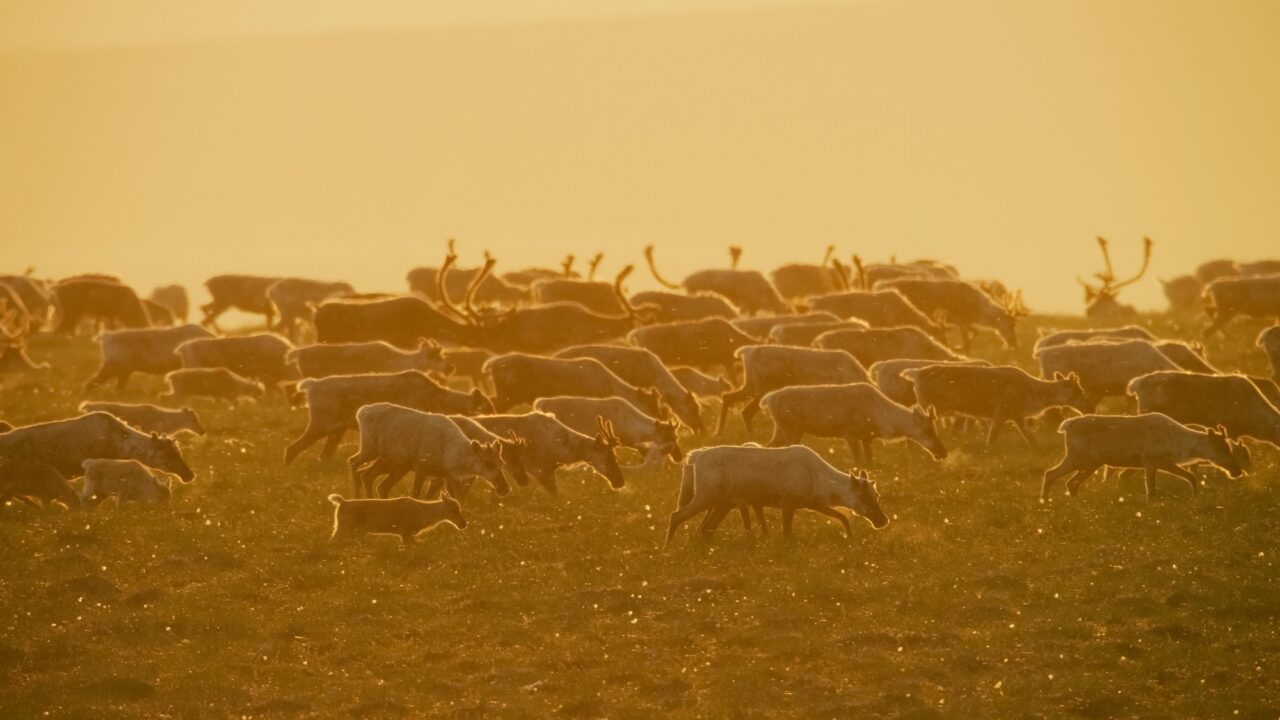
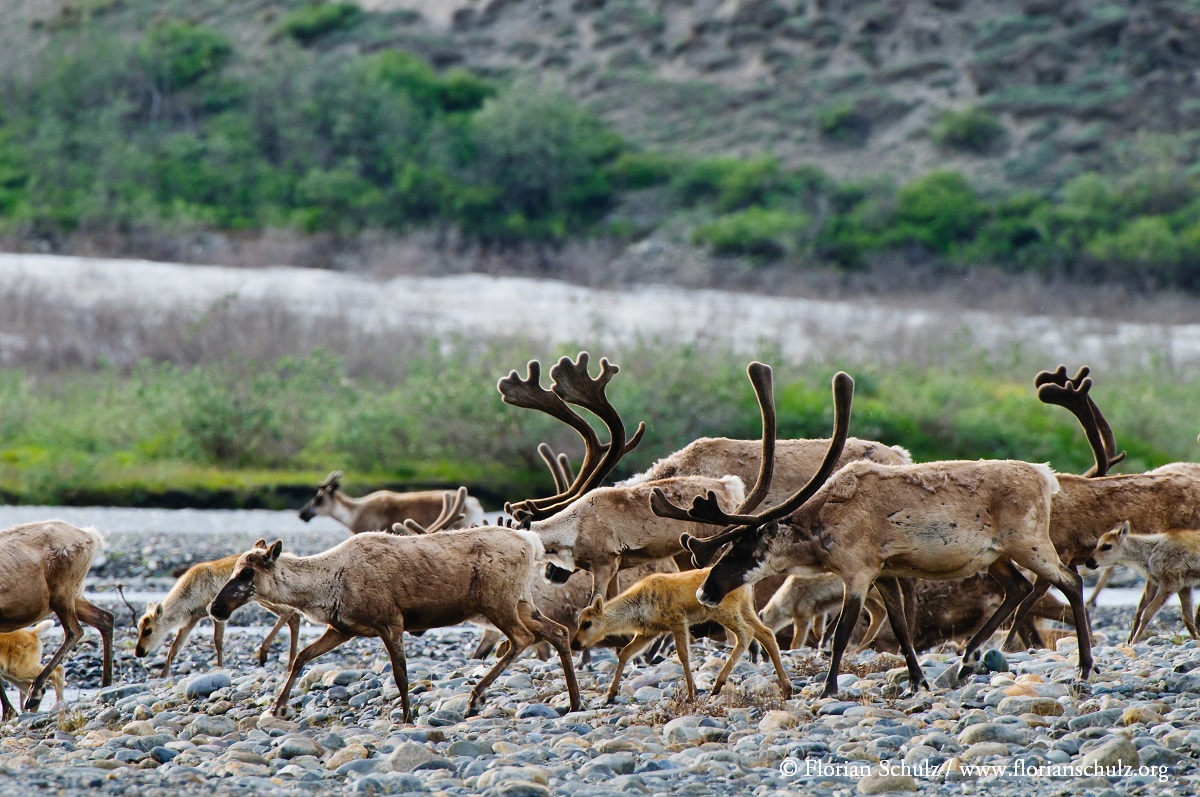
Alaska Wilderness League opposes the proposed 20-year right-of-way permit for a winter access road across the coastal plain of the Arctic National Wildlife Refuge, due to impacts to lands and waters along the route. The right of way would include impacts to denning polar bears and the Porcupine Caribou Herd, harming biodiversity in the region, and impacting the Gwich’in Nation that depends on that herd for traditions and sustenance.
The Arctic Refuge is one of the last truly intact wild landscapes in America. Even a seasonal road cuts into that integrity, but even greater is our concern is that this route will be the start of much more industrialization. As noted in road proposal, “it is reasonable to assume that this trail may be used as a primary route for oil & gas related overland travel that would allow further access to individual leases. (Draft EA, page 34). Given this — and in line with AWL’s decades of work to keep the Coastal Plain free of industrialization — we view the approval of this road as a step in the wrong direction for the Arctic Refuge coastal plain.
What is in the proposal?
This proposal would identify nearly 100 miles of routes across sensitive tundra and wildlife habitat, including areas vital to the Porcupine caribou herd, polar bears, and migratory birds. It would allow for heavy equipment to build ice and snow roads annually for twenty years, that could then be relied on to haul freight, fuel, personal vehicles, and industrial equipment that could further oil and gas development in the Arctic Refuge. The short-term direct impacts of the road include habitat degradation, permafrost damage, and wildlife disruptions. Longer term impacts include potential industrialization of lands within the Arctic Refuge, including permanent road construction or oil and gas activities.
Why We Are Concerned:
- A high risk of long-lasting damage. The Arctic Refuge coastal plain gets very little snow, increasing the likelihood of long-term tundra impacts as the heavy machinery constructs and drives across the coastal plain each season.
- Subsistence and wildlife impacts. Construction noise and traffic would take place when Polar Bears are in the region and emerging from their dens. Road traffic could potentially still be taking place when the Porcupine Caribou Herd returns to the area in the spring, as well.
- Precedent that could impact other areas. The reliance of the ‘inholding’ provision of ANILCA to drive this right of way process – for a community with a year-round airport and seasonal barges – is not what the law intended.
- Clears the path for future industrial development. The project applicant, KIC, has indicated the round would be used to identify sites and gravel for a permanent transportation corridor, including oil and gas industrialization.
In Summary:
The Refuge was set aside to remain wild and undeveloped for the benefit of wildlife, Indigenous communities, and future generations. Solutions to community access and affordability should not come at the expense of this globally significant ecosystem or the people who depend on keeping these places intact.
History shows that once routes and infrastructure are established, they open the door to expanded industrial use, increased traffic, and permanent development. Our concern is that what starts as a “temporary” today will become the first step toward lasting disturbance.
We recognize and respect the real needs and economic challenges facing the community of Kaktovik. At the same time, we stand in solidarity with the Gwichʼin people, whose culture, food security, and way of life are inseparable from the health of the Porcupine caribou herd and the Refuge’s coastal plain. Any new infrastructure that threatens the caribou threatens the Gwichʼin as well.
The Arctic Refuge is not the place for roads. We urge the U.S. Fish & Wildlife Service to deny this permit and pursue alternatives that meet community needs without compromising the Refuge’s wild character.
###
Photo courtesy of Florian Schulz / protectthearctic.org