
 News
Arctic Refuge Seismic Testing Could Return This Winter
October 29, 2026
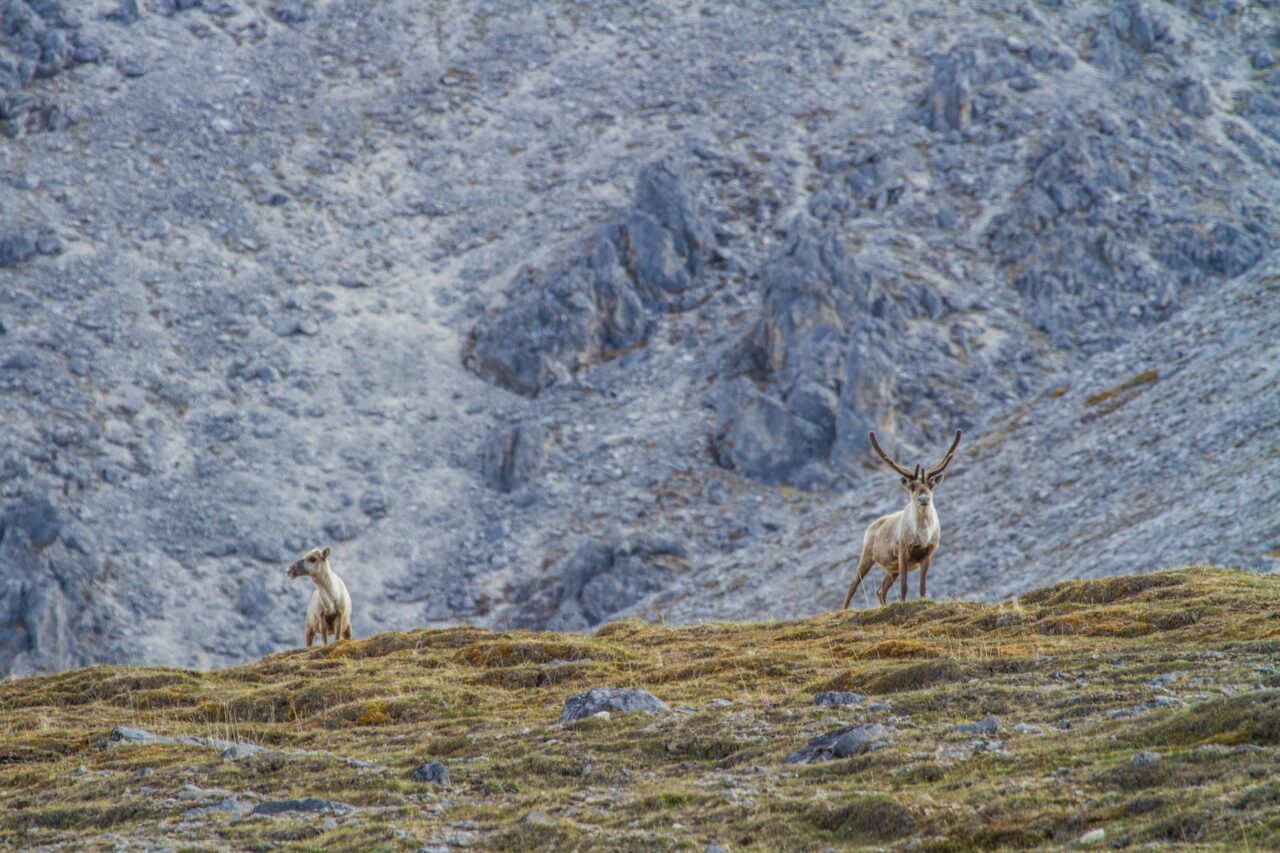
The Arctic National Wildlife Refuge is one of the wildest places left in America, a vast landscape of mountains, rivers, wetlands, and tundra that sustains caribou, polar bears, migratory birds, and the Indigenous communities whose lives and cultures are deeply connected to this land.
But this winter, that landscape could face a familiar and deeply damaging threat: seismic exploration.
The Alaska Industrial Development and Export Authority (AIDEA), a state-owned agency, could move forward this winter with plans to search for oil beneath the Refuge’s coastal plain. We expect AIDEA to seek federal authorization for seismic testing this winter, potentially bringing heavy equipment back onto a landscape that has been recovering from earlier exploration for decades. The permitting process would likely include an application for an Incidental Harassment Authorization (IHA), which would allow certain otherwise prohibited disturbances to marine mammals, including polar bears, subject to specified conditions.
The stakes are enormous. Seismic testing threatens the fragile tundra itself, but the potential disturbance of polar bears during their denning season makes this proposal especially alarming. In a warming Arctic where these animals already face mounting pressure, the Refuge should be a place where they can raise their young safely rather than butting up against another industrial frontier.
The scars of seismic testing are still visible
Seismic exploration is often described as a preliminary step toward oil development. In practice, it brings an industrial footprint into one of the most ecologically sensitive landscapes in the country.
To map underground geological formations, seismic crews move heavy vehicles across the tundra in carefully planned grids. Modern three-dimensional seismic surveys can involve massive “thumper trucks,” bulldozers, fuel trucks, support vehicles, and mobile camps. Thumper trucks use heavy plates to send vibrations into the ground, with the returning signals collected by sensors to help create an image of what lies beneath the surface.
The machinery may only operate during winter, but the damage does not necessarily disappear when the snow melts.
We know this because seismic exploration has happened in the Arctic Refuge before. During the winters of 1984 and 1985, crews conducted two-dimensional seismic surveys across the coastal plain. The resulting vehicle trails and disturbed vegetation left marks on the tundra, some that have stuck around for decades. Some tracks remain visible today, long after the machinery that created them has disappeared.
Arctic tundra is exceptionally vulnerable to this kind of disturbance. Its vegetation, soils, and underlying permafrost are closely connected, and damage to the surface can alter drainage, accelerate thawing, and change the conditions that plants need to grow. Recovery is slow, particularly in a region where the growing season is short and temperatures remain low for much of the year.
Research examining the landscape impacts of seismic surveys in the Arctic Refuge has documented the persistence of these disturbances. Even when crews operate in winter, frozen ground and snow do not guarantee that the landscape will be protected.
And the proposed exploration would use a more intensive approach than the older surveys. Three-dimensional seismic testing requires a denser network of survey lines to produce a more detailed picture of underground geology. More passes across the landscape mean more opportunities to damage vegetation and soils, while modern equipment can be substantially heavier than that used in earlier exploration.
The Refuge is still living with the consequences of the last round of seismic testing. We cannot assume it will recover quickly—or fully—from another.
AIDEA wants to bring the trucks back
The renewed threat comes as Alaska doubles down on its push to open the Arctic Refuge to oil development, even as major oil companies have shown limited interest in pursuing the opportunity.
In July 2025, AIDEA issued a request for proposals seeking support for a multiyear seismic exploration program in the Refuge’s coastal plain. In May 2026, its board approved a budget of up to $175 million for the effort, including permitting and regulatory work.
AIDEA has been moving through the preparatory stages of the project, and we expect an application for seismic operations as the winter season approaches. Federal authorizations will be required before the proposed work can proceed. The exact timing and scope of any operations will depend on the applications submitted and the decisions made by the responsible agencies.
This is a significant escalation. AIDEA is using public resources to pursue oil exploration in a place where the industry itself has repeatedly failed to demonstrate strong commercial interest. The agency is betting that better geological data could attract future investment, but the environmental risks begin long before a single barrel of oil is produced.
Seismic exploration is not the final stage of oil development. It is a step toward making future drilling possible. The data gathered could help companies identify promising locations, setting the stage for additional industrial activity in a landscape that has so far avoided the extensive infrastructure found elsewhere on Alaska’s North Slope.
The question is whether that speculative promise is worth risking lasting damage to a globally important wildlife refuge.
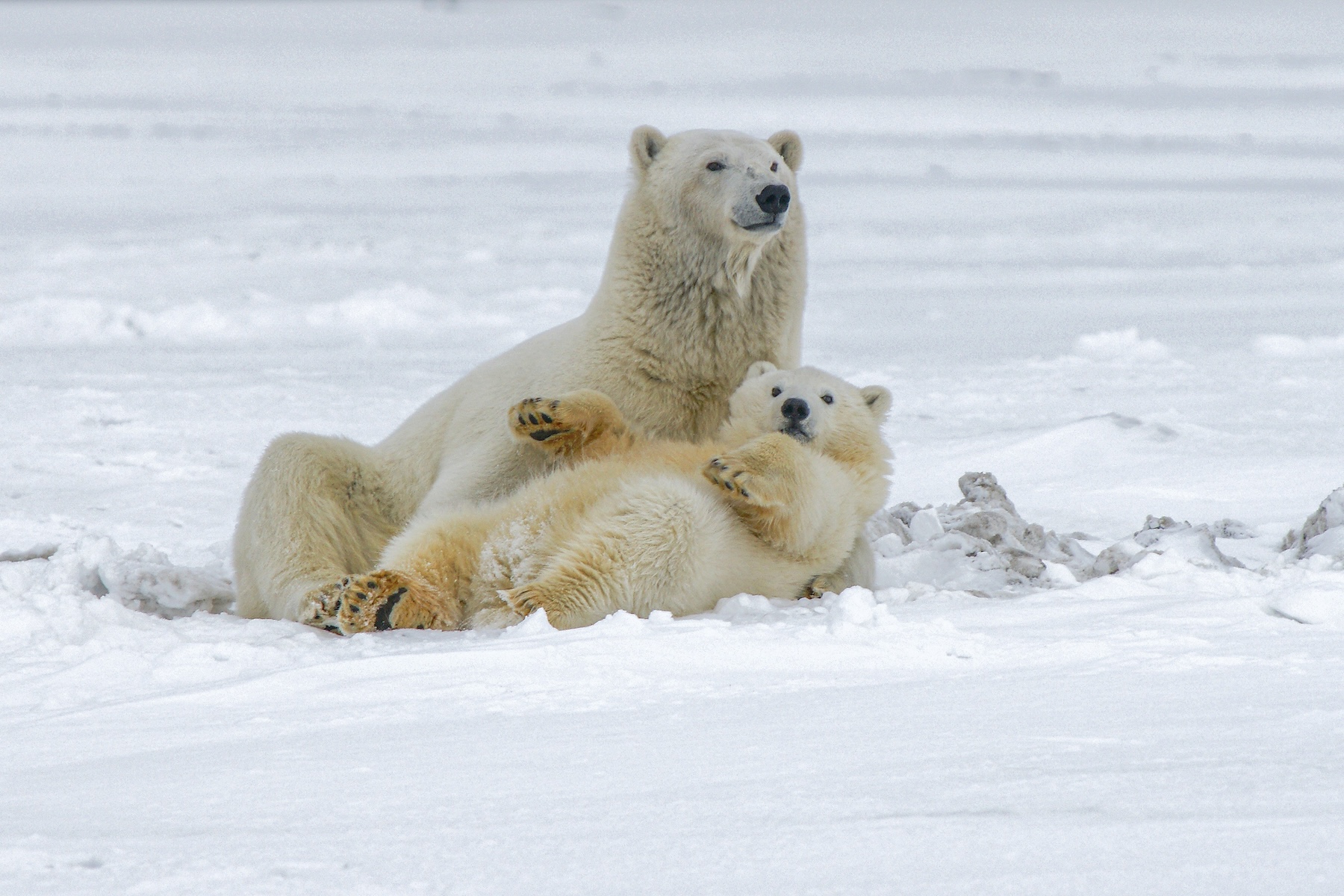
Polar bears could face a dangerous winter
The damage to tundra is reason enough to oppose seismic exploration. But the threat to polar bears makes the prospect of this winter’s operations even more troubling.
The Arctic Refuge’s coastal plain is important habitat for the Southern Beaufort Sea population of polar bears, including females that come ashore to build maternity dens and give birth. As sea ice changes and becomes less reliable, land-based denning habitat has become increasingly important for some bears.
A den may be buried beneath snow, making it difficult to detect from the surface. Inside, a mother bear gives birth to her cubs and cares for them during the vulnerable first months of their lives. The den provides shelter from extreme weather and a protected space where newborn cubs can survive before emerging into the Arctic.
Heavy machinery moving across this landscape creates a frightening set of risks. Vehicles could pass near or over hidden dens, potentially causing physical damage or disturbing mothers and cubs. Even when a den is not directly struck, noise and activity may disrupt the animals at a critical point in their life cycle.
Finding dens is also difficult. Infrared surveys and other detection methods can help identify potential denning sites, but they are not foolproof. A failure to detect a den does not mean a den is absent.
That is why the prospect of an Incidental Harassment Authorization is so concerning.
Under the Marine Mammal Protection Act, an IHA can authorize certain incidental, nonlethal harassment of marine mammals associated with specified activities, provided the legal requirements are met. It is not a blanket exemption from wildlife protections, and it does not automatically authorize seismic testing. But if an IHA is sought for this project, it could establish a framework under which certain disturbances to polar bears are permitted.
For bears sheltering in dens, the consequences of getting those protections wrong could be devastating. A mother disturbed while caring for newborn cubs may face circumstances that threaten their survival. And once a den has been missed or a disturbance has occurred, the harm cannot necessarily be undone by changing the route of a vehicle or ending operations.
We should not treat the potential disturbance of denning polar bears as an acceptable side effect of oil exploration. The burden should be on the agencies and project proponents to demonstrate that wildlife and their habitat will be adequately protected—not on the animals to survive another industrial incursion.
The public stopped this before
This is not the first time seismic exploration has threatened the Arctic Refuge.
In 2021, a previous effort to secure authorization for seismic testing failed to obtain the necessary federal approvals before the relevant window closed. The proposal drew extraordinary public attention, including more than five million comments during the federal review process addressing potential impacts to polar bears.
That response demonstrated something powerful: people across the country understand that the Arctic Refuge matters, even if they have never set foot on its tundra. They understand that this landscape is irreplaceable, that polar bears deserve a chance to raise their cubs undisturbed, and that the consequences of industrial development extend far beyond the boundaries of a single project.
Now, the threat could be returning.
As we approach another winter, the public must be ready to respond to new applications and opportunities to weigh in. Federal agencies must carefully scrutinize any proposed operations, examine the cumulative impacts on the Refuge, and ensure that the best available science informs decisions about wildlife and habitat. Any proposed authorization involving polar bears requires particular scrutiny because of the difficulty of locating dens and the potentially severe consequences of disturbance.
The future of the Arctic Refuge should not be determined by a state agency’s willingness to spend public money searching for oil that the industry itself has been reluctant to pursue.
Alaska Wilderness League will continue fighting to keep seismic exploration out of the Arctic Refuge. We cannot allow decades-old scars to become the beginning of a new cycle of destruction, and we cannot accept the risk of disturbing polar bear mothers and cubs for the sake of oil exploration.
The Arctic Refuge is worth protecting. This winter, we must make sure it is.


