
 News
Alaska’s Public Lands Are at a Crossroads. Don’t Trade Them Off in the Final Stretch.
November 6, 2026
Author: Kristen Miller, Executive Director of Alaska Wilderness League
In a few months, we will reach a dark milestone: 10 years since Congress authorized oil and gas development in one of our nation’s most iconic landscapes, the Arctic National Wildlife Refuge. After decades of hard-fought protection, Congressional Republicans inserted a mandate to open the Refuge to oil and gas leasing in the 2017 Tax Cuts and Jobs Act, under the false promise that potential drilling revenues would help offset the cost of massive tax cuts during the first Trump administration.
Despite that 2017 loss, the Coastal Plain remains untouched by industry today, even after multiple mandated oil and gas lease sales. This is thanks, in part, to the impact of decades of advocacy by public lands champions in Congress and around the country. The results from midterm elections present a historic opportunity to reinstate protections for this landscape – essential to which will be handing a future administration the power to make decisions for this and so many of our nation’s public lands. Unfortunately, that power could be undermined by provisions of S. 5653, the Senate-negotiated permitting reform bill.
We are a public lands organization, and protection of Alaska’s wild places will always be our north star. With that, we rely on the bedrock environmental laws that give conservation a fighting chance.
As such, we have significant concerns about the concessions within the permitting bill, which could have unintended consequences in the ongoing fight to stop the Ambler Road, protect the Arctic Refuge, preserve the Arctic Ocean, and defend the Tongass National Forest, among other iconic places which enjoy overwhelming public support. Some of our concerns are:
- Section 1110, which, as written, would require legal challenges to be brought on a very fast timeline and limit a court’s ability to vacate permits even when they do not comply with the law, potentially allowing for project construction to continue under what a court has determined to be an unlawful permit. Were this provision law when the initial approval of the massive Willow oil and gas project in the Alaskan Arctic was deemed invalid in federal court, ConocoPhillips could have continued building the project even though the court concluded that BLM had not adequately protected wildlife and sensitive areas, as required under the law.
- Section 1401, which would prevent an agency to suspend, cancel, revoke, or modify a federal authorization once it is issued, even if an administration determines project approval was unlawful. In addition, the American taxpayer could be on the line to pay some of the largest multinational corporations for their costs associated with project delays that result from efforts to correct unlawfully issued permits. As we look toward future authorizations which could be authorized under dubious or legally flawed rulemakings, we urge Congress to not lock in four years of harmful policies by this administration in perpetuity.
- Sec. 1106: A provision within this section could allow an agency to ignore new research or science once a permitting process begins, and it disallows waiting for new information to be made available before making a decision. In Alaska, surveying of cultural resources, polar bear dens, and caribou migrations take time, and new information is often gathered on longer timelines than an eager developer would want. We can’t give up the ability to use new science and information within a review just to speed along the process when we are talking about truly irreplaceable landscapes once development has begun.
- Sec. 2031: Changes to the National Historic Preservation Act. These concerns build on a variety of other issues identified by Tribal nations around the country, including how the changes to the NHPA would erode consultation and sovereignty in public land decisions. We share these concerns and stand with Tribes in asking for changes to protect their rights.
Alaska’s public lands stand at a precipice. A new Congress promises oversight and accountability for two years of harms, deregulation, and rushed policies sought by the Trump administration since day one. The Trump administration is on record seeking permitting reform specifically to develop Alaska projects such as the Ambler Road. This bill should not help pave the way.
It is essential that Congress act to address the pressing needs of Americans to build clean energy faster, reduce utility costs, and address the growing threat of unchecked data center growth. But trading changes to our bedrock environmental laws—our last defense in defending our public lands—is not the way. Without significant changes to this legislation, we must urge Congress to oppose a bill that bargains bedrock conservation statutes to achieve energy reform.
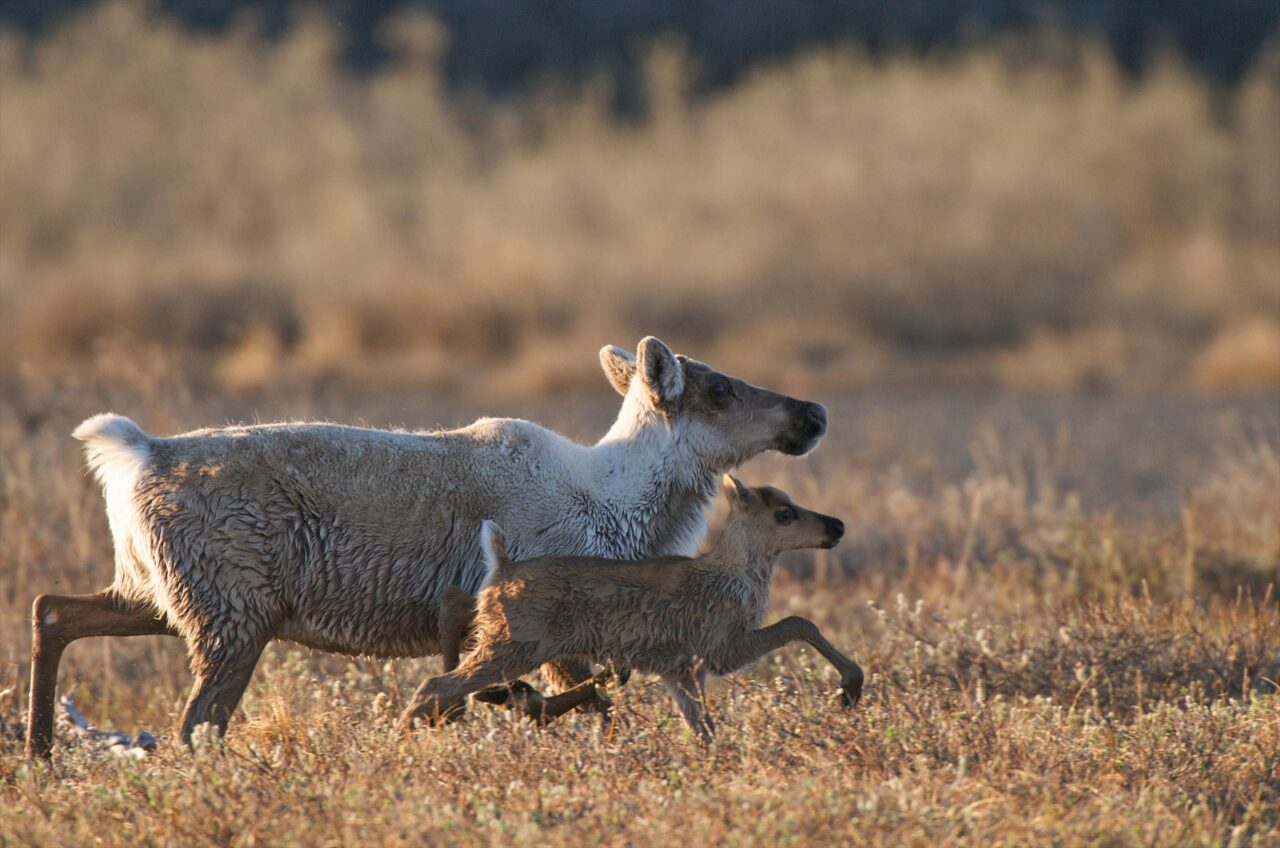
Photo: © Florian Schulz / visionsofthewild.com


