Western Arctic
(National Petroleum Reserve-Alaska)
Defend the nation’s largest and wildest public lands
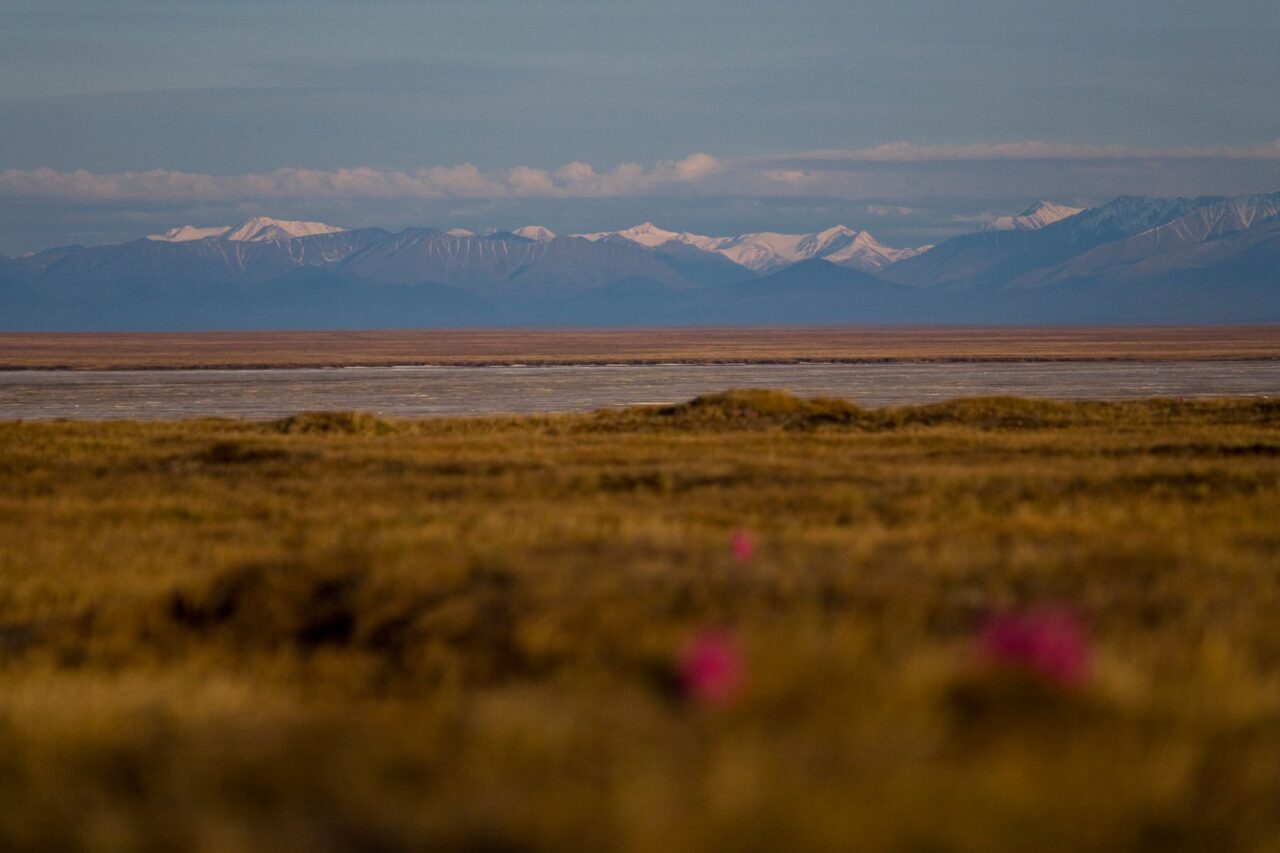
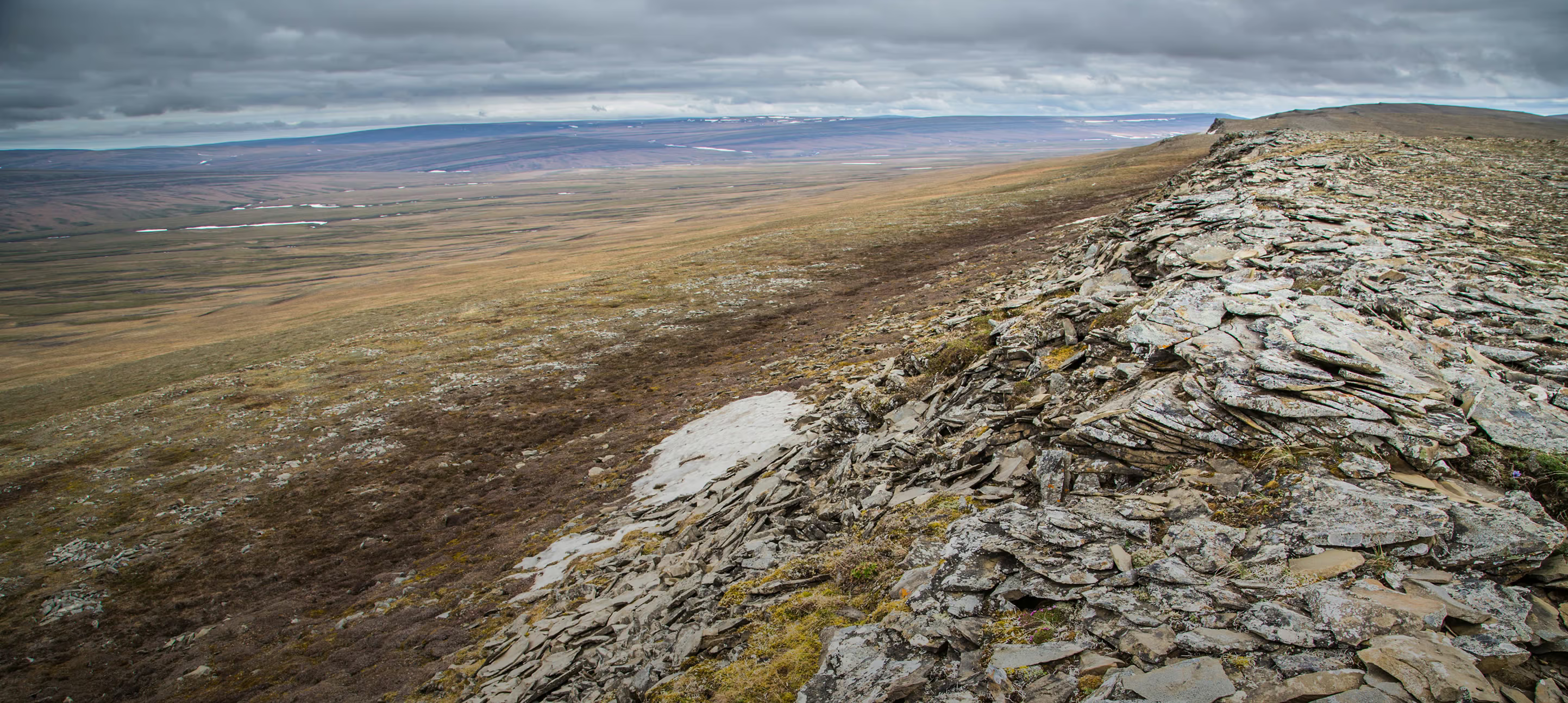
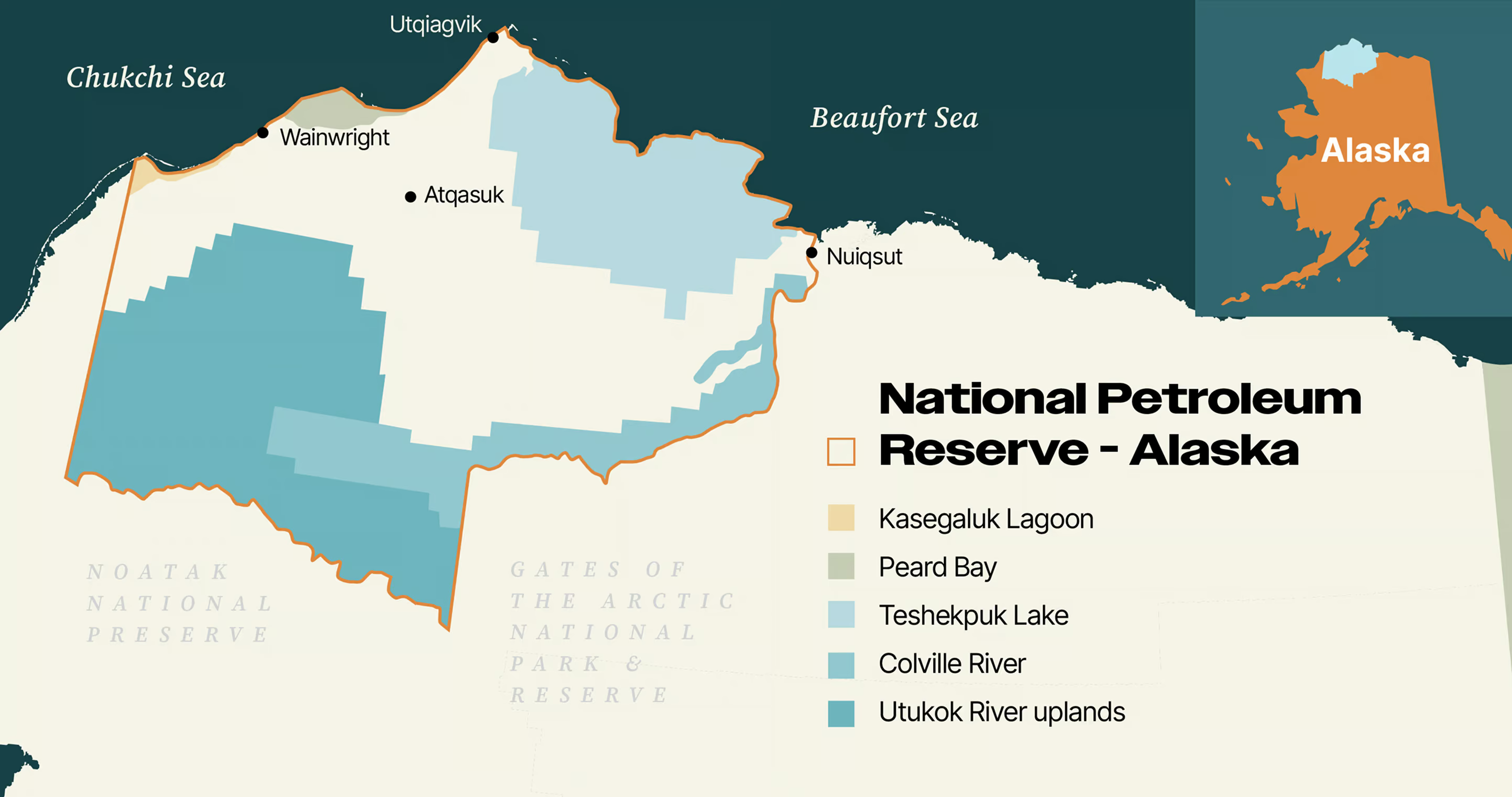
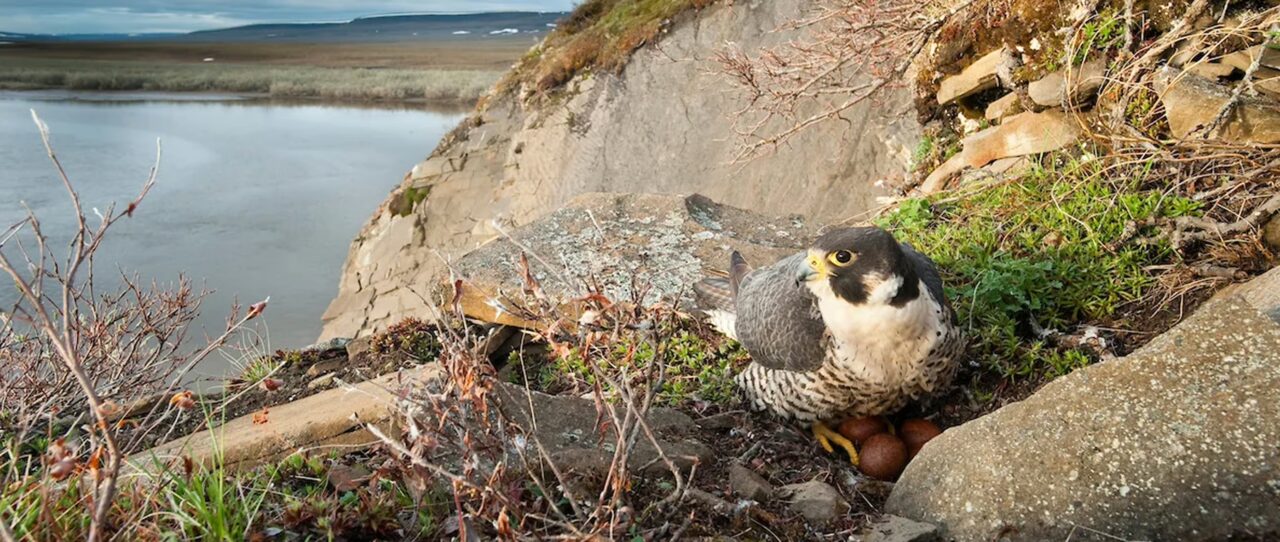
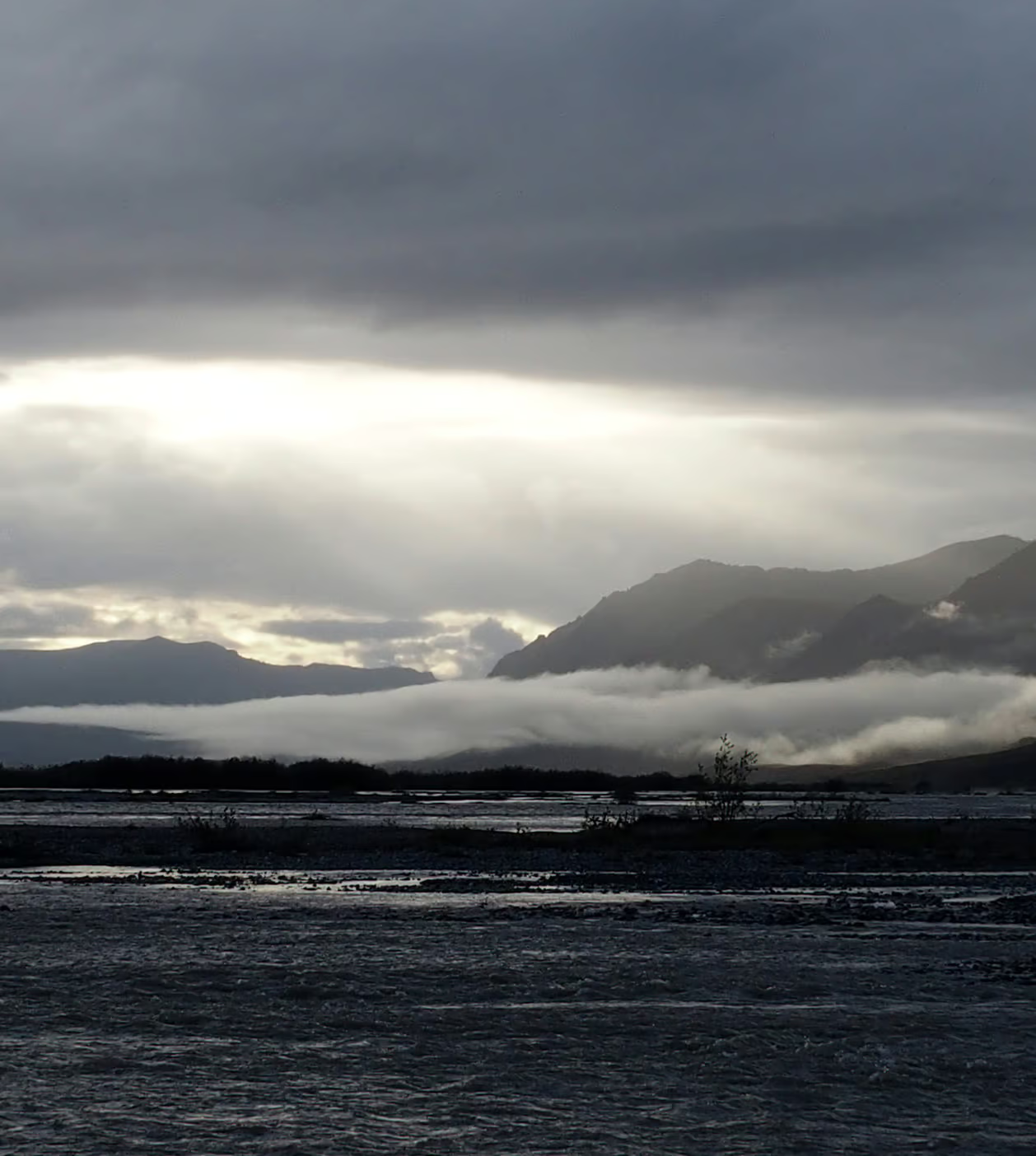
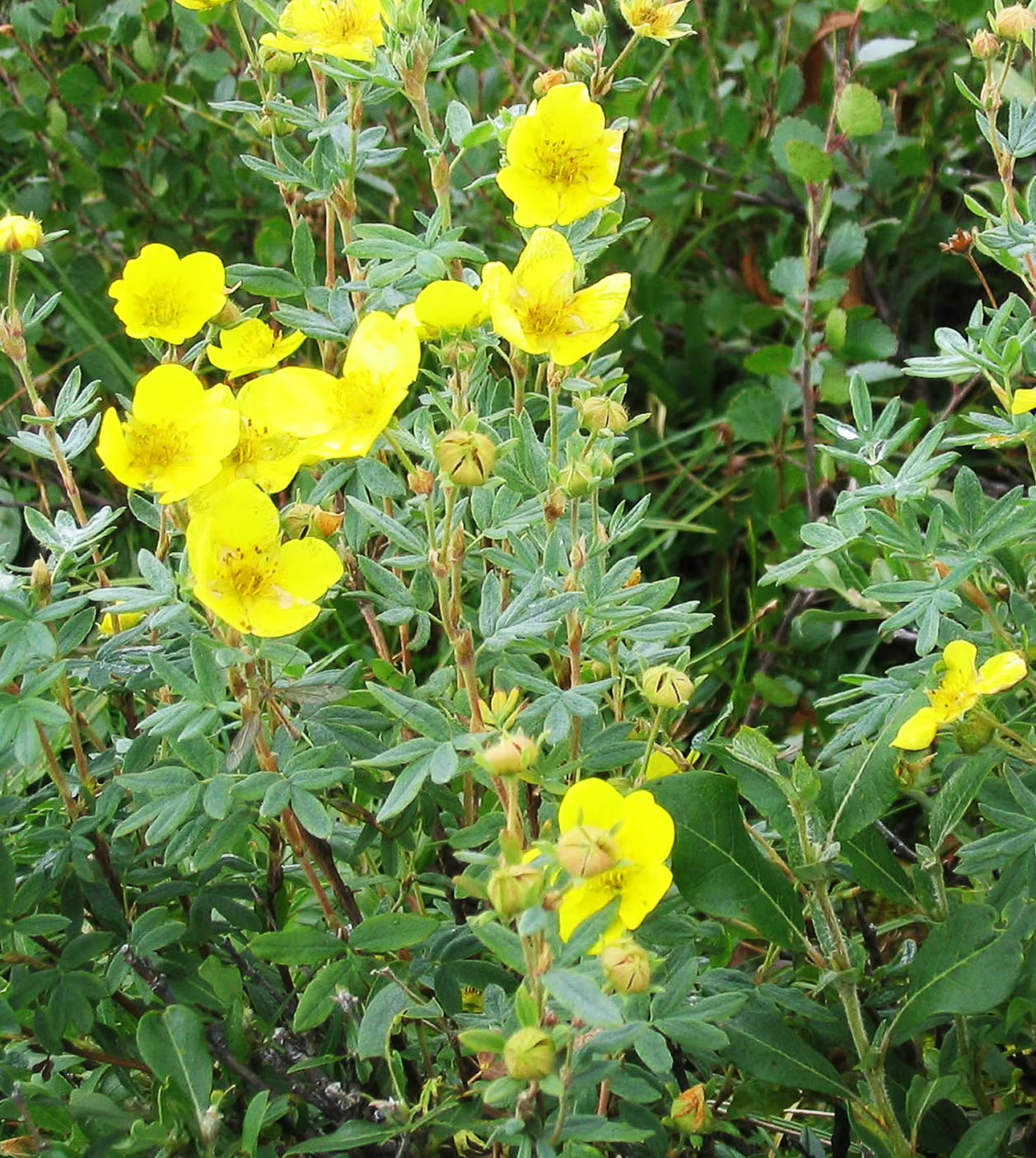
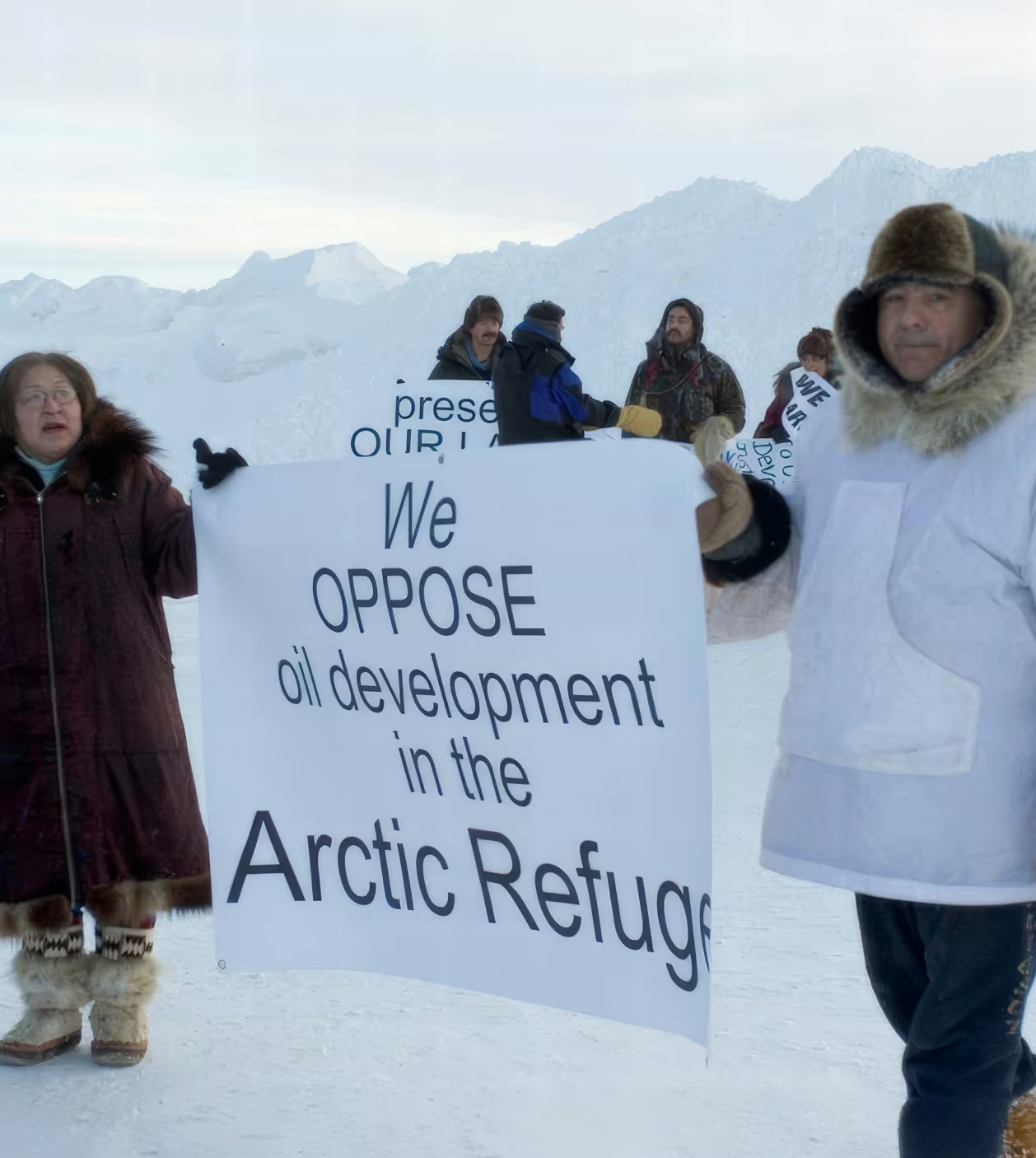
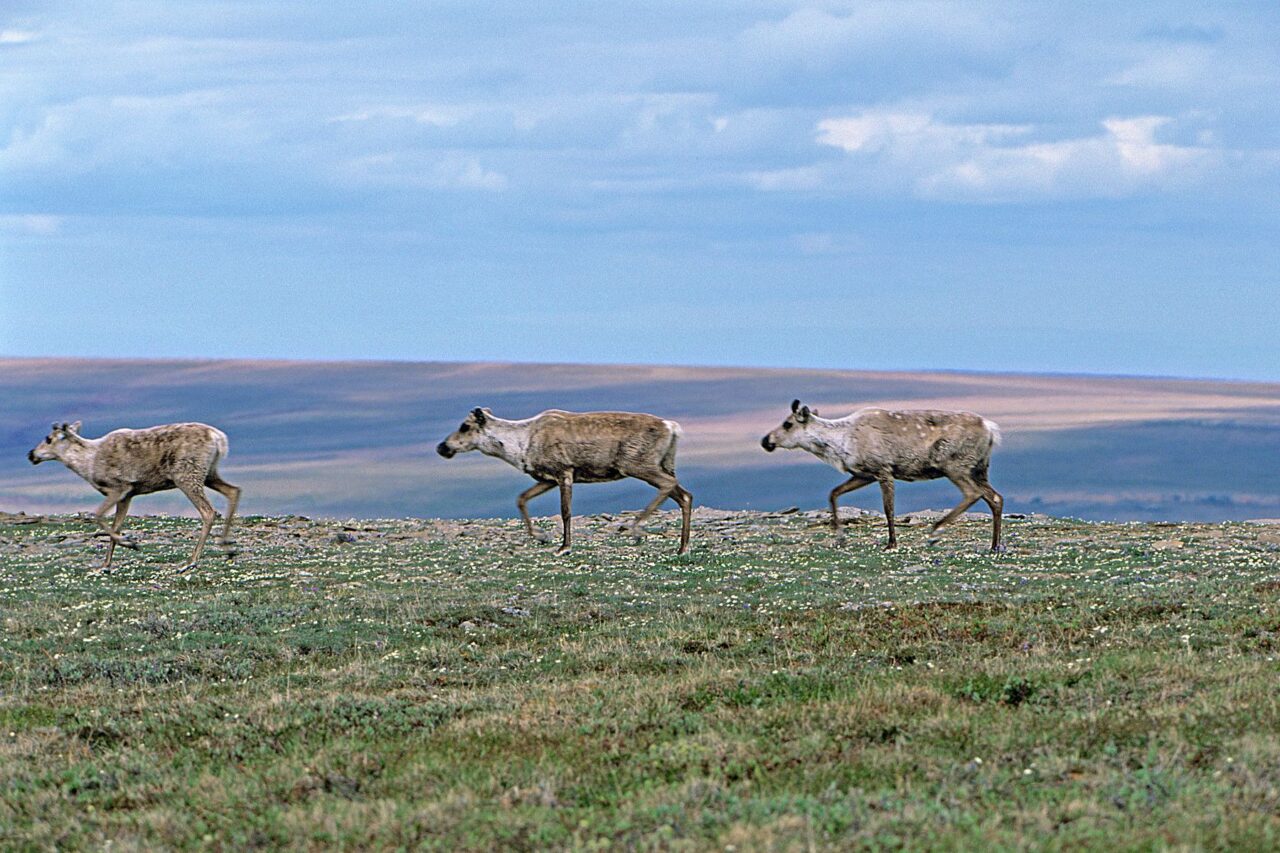
The Western Arctic – also known as the National Petroleum Reserve–Alaska (NPRA) – is the largest block of public land in the country. These nearly 23 million acres of wild Arctic tundra, wetlands, and coastline sustain migratory birds, brown bears, caribou, polar bears, walrus, beluga whales, and the Alaska Native communities who have relied on its living resources for thousands of years.
Development pressures in the Western Arctic are accelerating, as evidenced by the construction of the controversial Willow project within the area’s boundaries. New drilling projects are moving forward, and industry is targeting protected Special Areas, including the fragile wildlife habitat around Teshekpuk Lake. At the same time, some in Congress are working to weaken safeguards and fast-track industrialization in this region.
What's at stake
Colville River
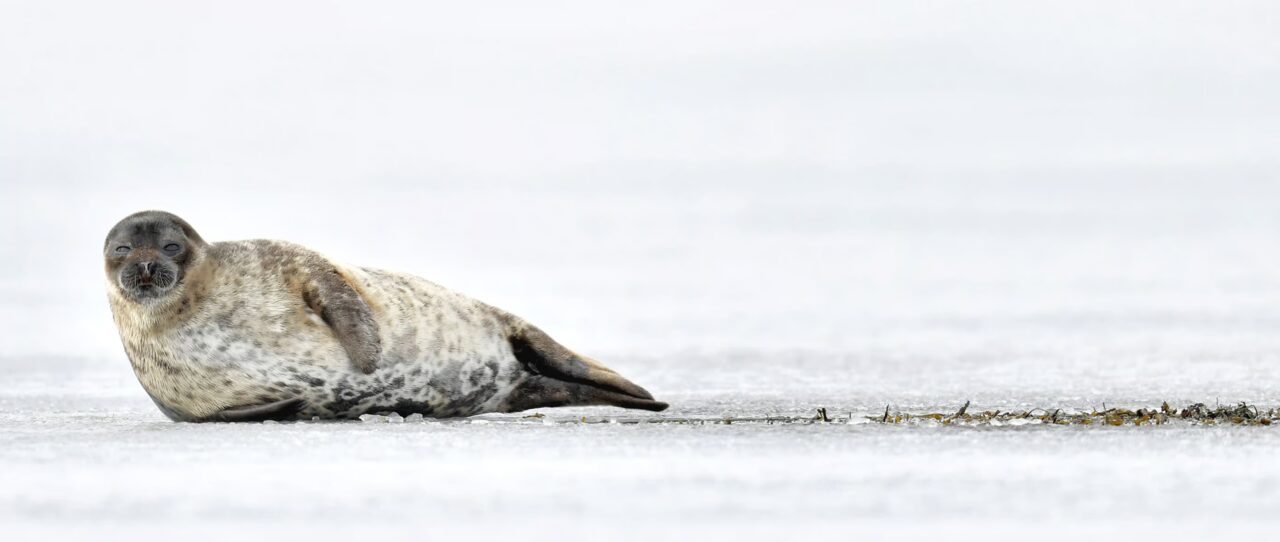
Peard Bay
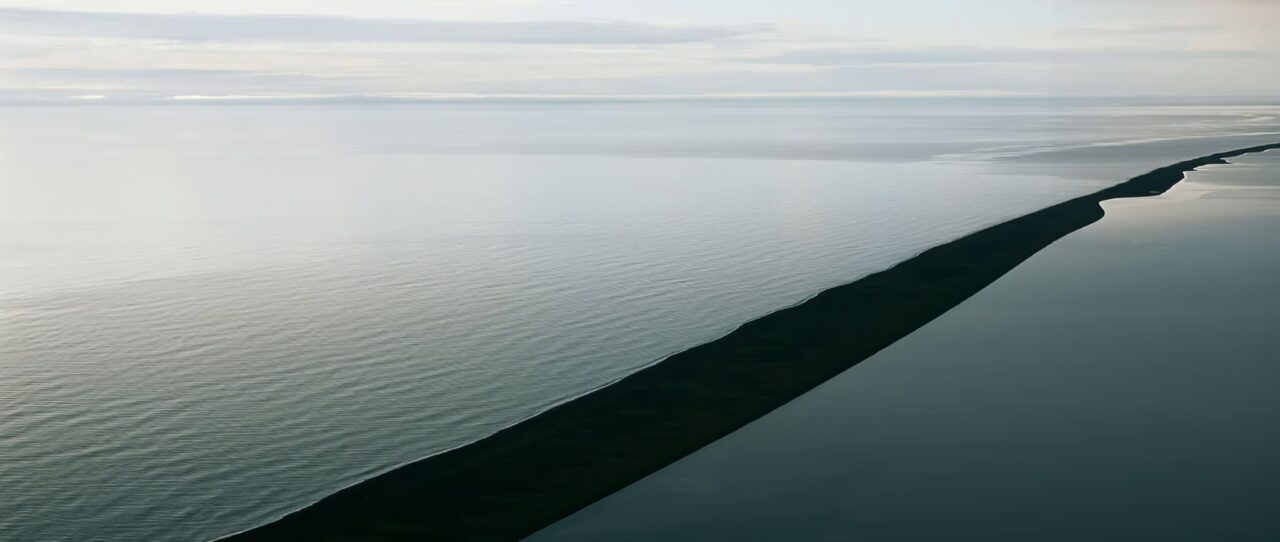
Kasegaluk Lagoon
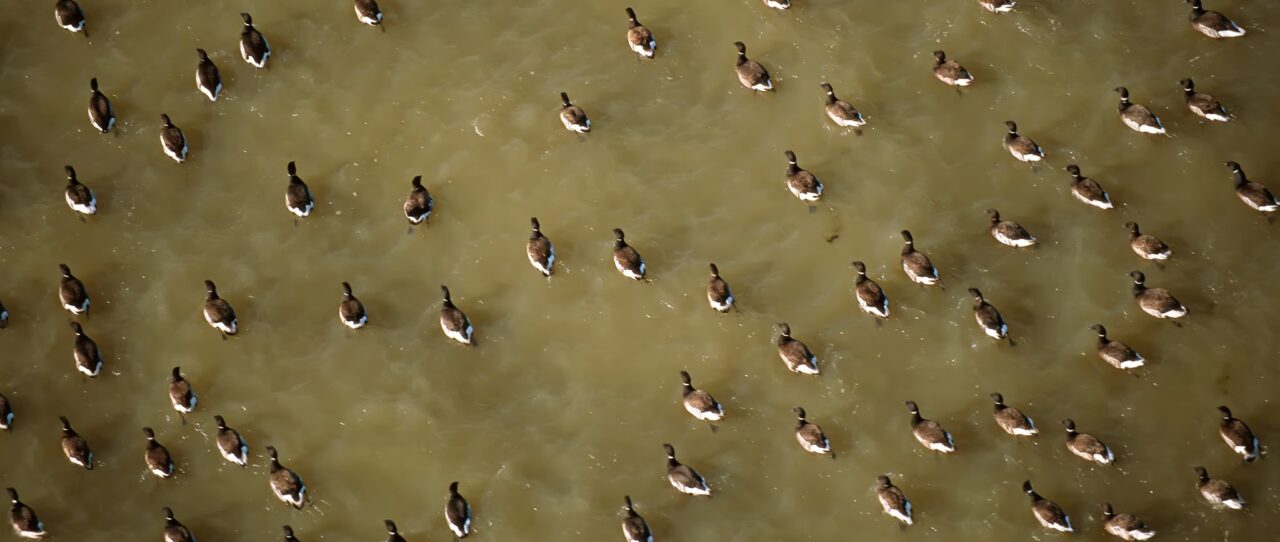
Teshekpuk Lake
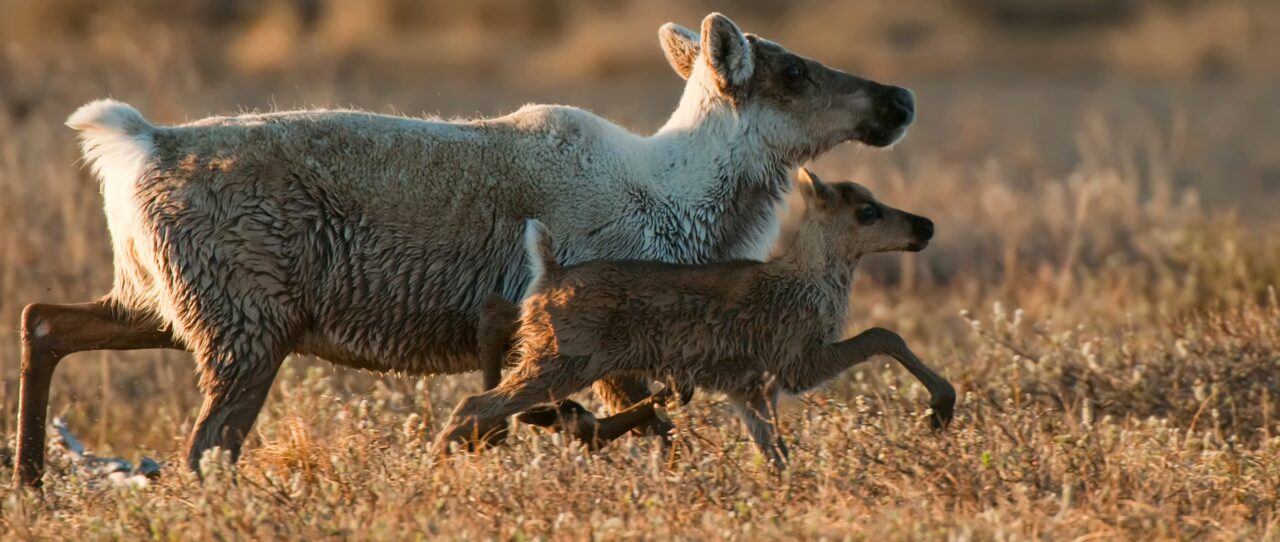
Utukok River Uplands
 Victories
We helped safeguard one of the Western Arctic’s most vital cultural and ecological landscapes. Now we are driving a growing movement for permanent protection, working in partnership with Indigenous leaders to ensure this region endures.
Special Areas
Secured enhanced protections for five existing Special Areas under the Biden administration
Pushed Biden
Pushed the Biden administration to initiate a broader review of additional areas worthy of protection
Drove Comments
Drove thousands of comments to federal agencies demanding increased protections for NPRA
Special Areas
Secured enhanced protections for five existing Special Areas under the Biden administration
Pushed Biden
Pushed the Biden administration to initiate a broader review of additional areas worthy of protection
Drove Comments
Drove thousands of comments to federal agencies demanding increased protections for NPRA
Keep Fighting
We have a real opportunity to advance lasting protections in the Western Arctic, and your support is essential to carry this work forward.
News
Biden Administration Takes Next Step to Advance Statutory Protections for America’s Arctic
READ MORE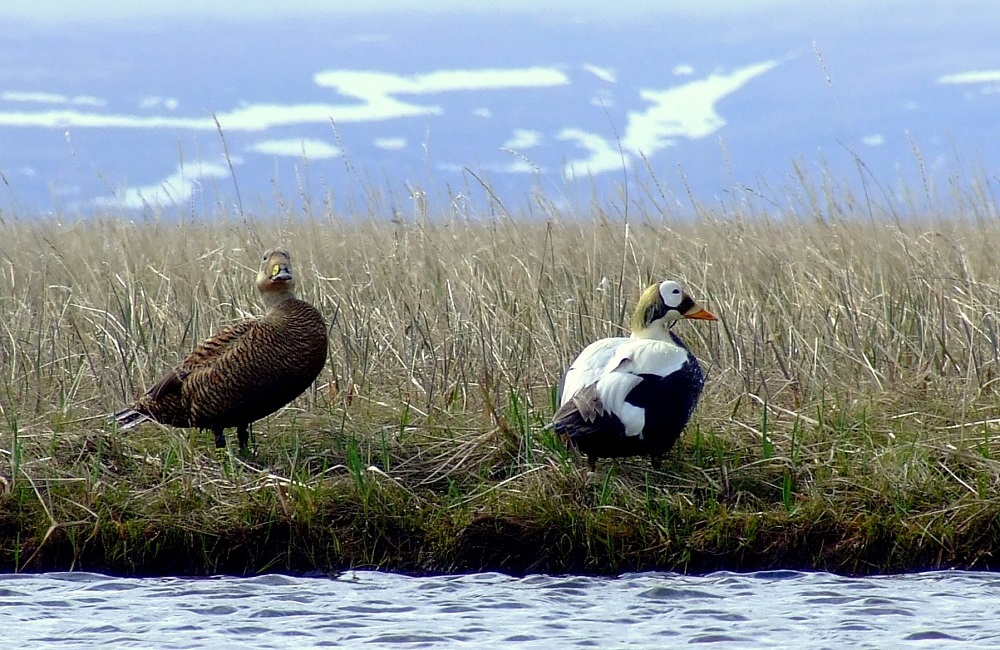
Safeguarding Our Western Arctic: A Quick Journey Through Time
READ MORE