 News
News
How You Can Stop Drilling in the Arctic Refuge
February 3, 2026
If you need proof that Arctic drilling has become an act of desperation, look no further than what just happened.
The federal government has opened a 30-day “call for nominations” period—the early step in the leasing process when oil and gas companies are invited to signal interest in bidding on public lands inside the Arctic National Wildlife Refuge.
Normally, this stage happens quietly. Industry lobbyists weigh in behind closed doors, and the public rarely hears about it. But there’s nothing normal about this moment.
After years of legal fights, public opposition, and repeated market failures, the administration is once again trying to force drilling into one of the most iconic and ecologically important landscapes in America. It’s the same tired playbook we’ve seen before: rush a lease sale, hope companies show up, and pretend there’s an economic case that simply doesn’t exist.
Past Refuge lease sales have drawn almost no serious interest from industry. Major oil companies have stayed away. Investors have backed off. Bids have been sparse and underwhelming.
This 30-day window is the only official opportunity for the public to weigh in before the leasing process moves forward. It’s our chance to make it crystal clear that any company reckless enough to bid will face immediate public scrutiny and sustained opposition.
This is where we build the record and the pressure to stop this scheme before it starts.
Arctic Drilling is Bad Business
For years, behind-the-times lawmakers have tried to frame the Refuge as the next great energy frontier. But in reality, Arctic oil development is one of the most expensive, complicated, and financially risky bets in the entire industry.
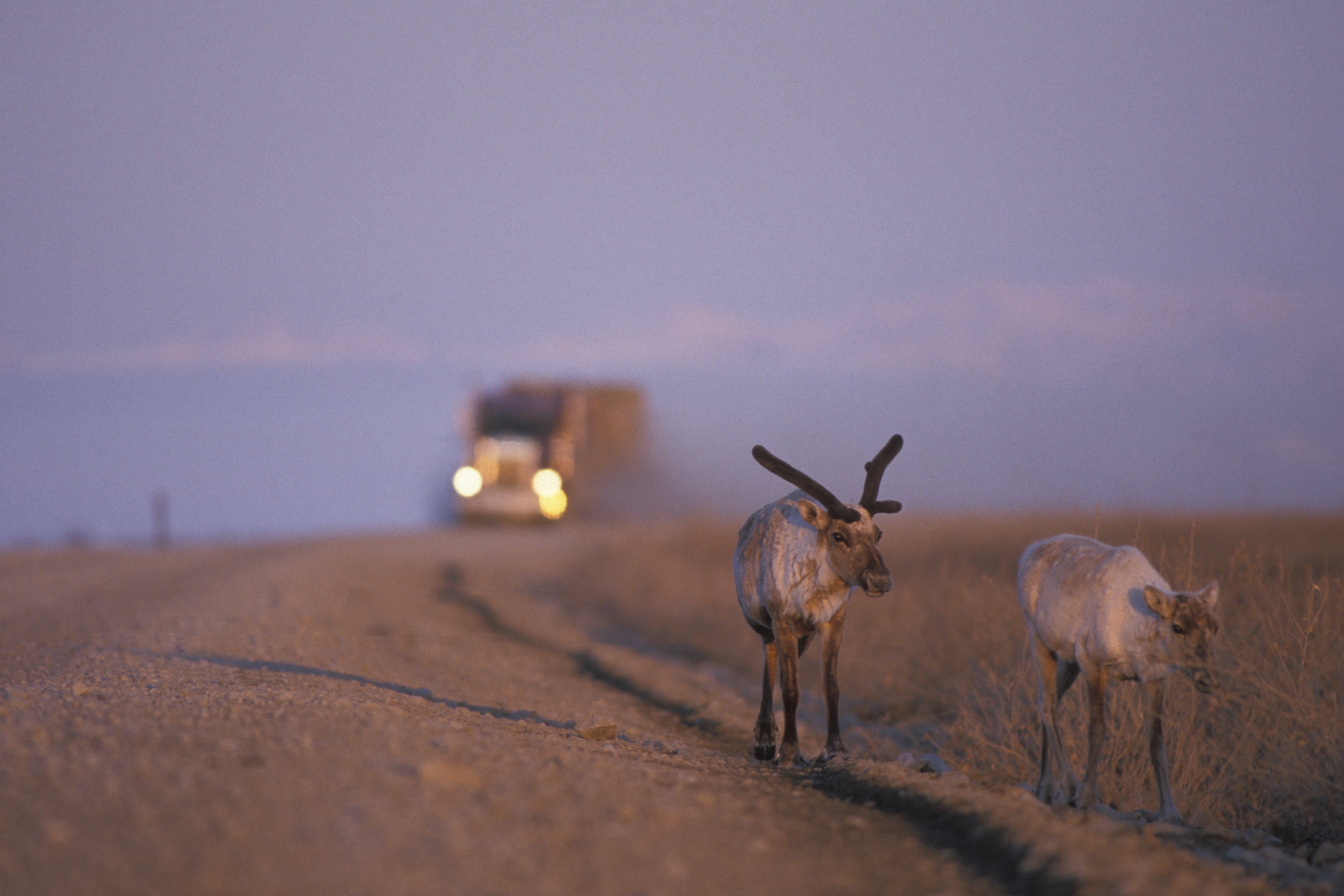
Operating in America’s Arctic means building roads, pipelines, and infrastructure across remote tundra in extreme weather. It means short drilling seasons, high labor and transportation costs, and constant logistical challenges. It means years—sometimes decades—of permitting battles and legal uncertainty. Even under ideal conditions, projects here carry some of the highest production costs in North America (maybe even in the world).
At the same time, the global energy landscape is changing fast. Clean energy is getting cheaper. Investors are scrutinizing high-risk fossil fuel projects more closely. And analysts increasingly warn that long-term, high-cost oil developments—especially in fragile places like the Arctic—risk becoming stranded assets before they ever turn a profit. The math simply doesn’t work out.
Any company that chooses to bid now would be making a deliberate decision to sink money into one of the riskiest oil fields on the planet, gambling shareholder dollars on a project with enormous costs, uncertain returns, and fierce public opposition.
Where You Come In
This call for nominations is designed for oil companies, but nothing says the public can’t speak louder. And when it comes to corporate decision-making, public pressure matters.
Executives and investors pay attention to risk. They pay attention to reputational damage. And they pay attention when a project becomes synonymous with controversy and opposition. If bidding on the Arctic Refuge means headlines, protests, investor questions, and sustained public backlash from day one, many companies will decide it simply isn’t worth it.

We have the chance to send a clear, unmistakable message: Drilling the Arctic Refuge is outdated, unnecessary, and a terrible business decision.
Plus, the Refuge is too special to gamble with. It supports caribou herds, polar bears, migratory birds, and the cultural lifeways of the Gwich’in people who have protected this place for generations. It deserves protection and not another desperate attempt to auction it off to the highest bidder.
Tell oil companies to stay out. Tell them the risk is too high. Tell them the future isn’t in the Arctic.