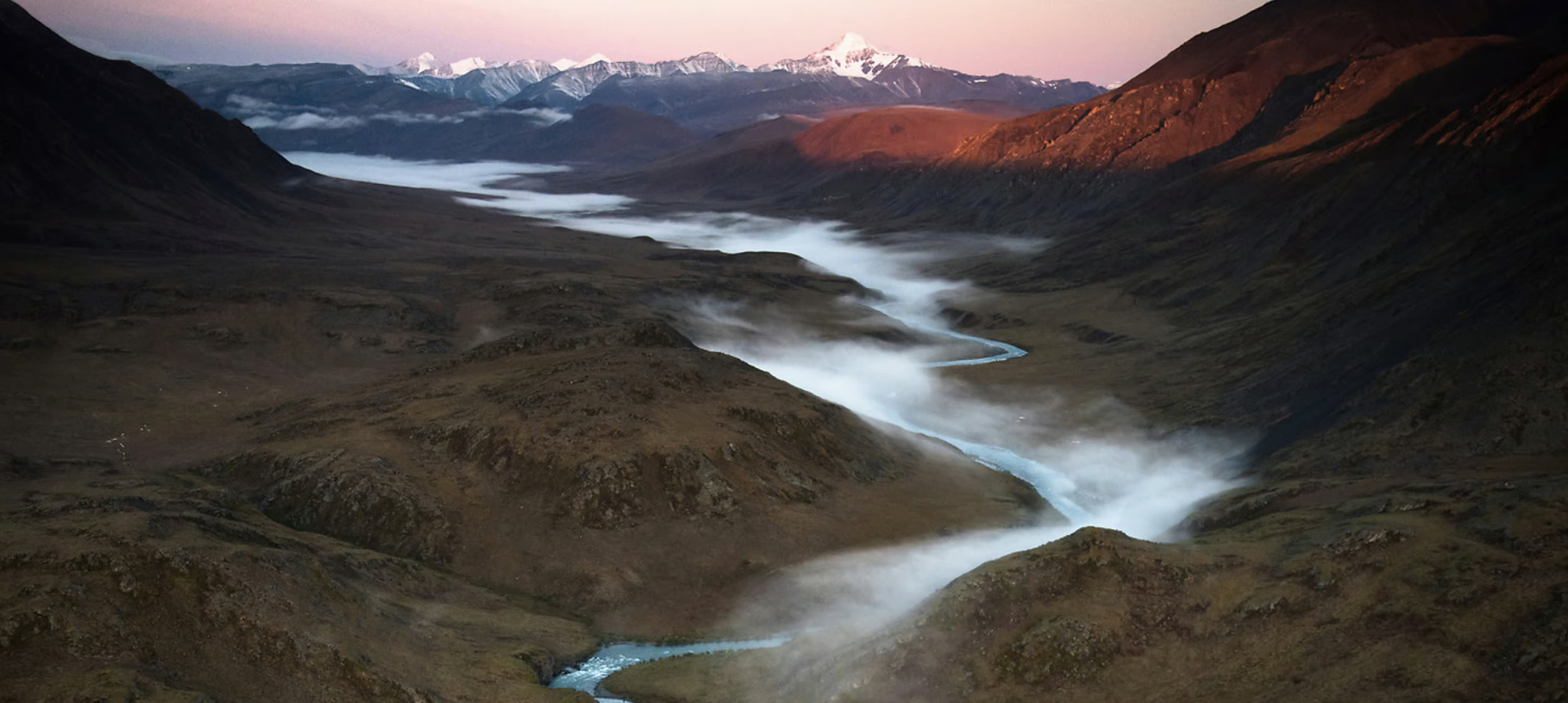

Alaska is a national and international treasure — a place of glaciated peaks, sprawling boreal forests, and vast tundra. Its wild rivers, wetlands, and fjords sustain some of the most diverse and abundant Arctic fish and wildlife on Earth, which nourish Indigenous communities and traditions today as they have since time immemorial.
These lands and waters are not only sacred and immense. They pulse with a living connection to culture and wilderness that must be witnessed to be understood.
Protecting them isn’t optional. It is our responsibility to defend wild Alaska.
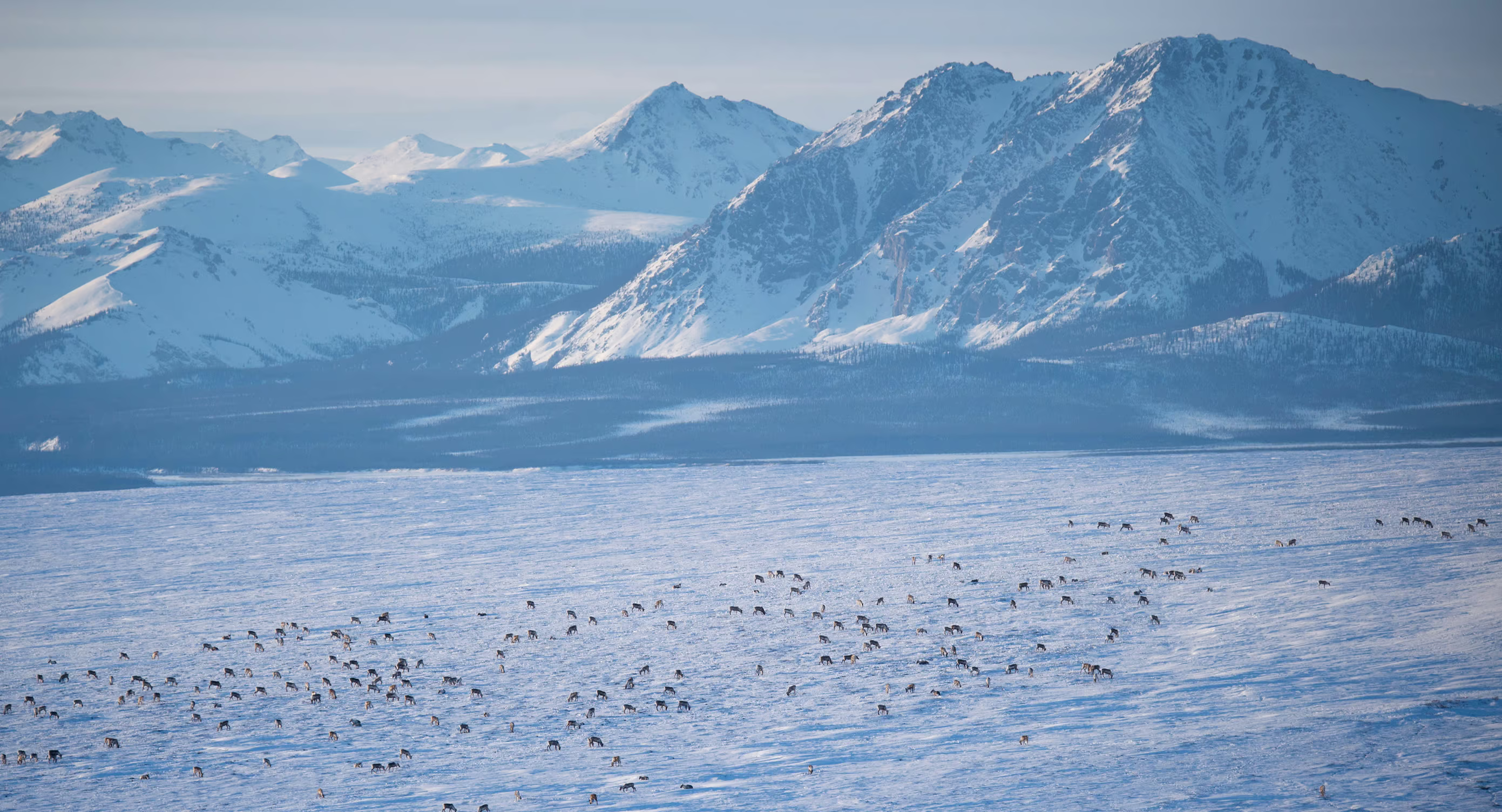
Alaska’s congressional delegation and faraway federal politicians are determined to see oil and gas development in the far northeast corner of Alaska known as the Arctic National Wildlife Refuge, including destructive seismic exploration on the Arctic Refuge’s coastal plain. There, an abundance of unique animals rely on diverse habitat and unspoiled American public land on a scale unimaginable to many. The Gwich’in people live in villages throughout Arctic Alaska and Canada, and rely on the animals this landscape sustains.
America’s largest block of public land that spans nearly 23 million acres across Alaska’s North Slope, the Western Arctic makes up a vibrant region home to critical wildlife habitat and Alaska Native communities that subsist on the landscape’s living resources. Development in the Western Arctic has already begun, with more major projects on the horizon.
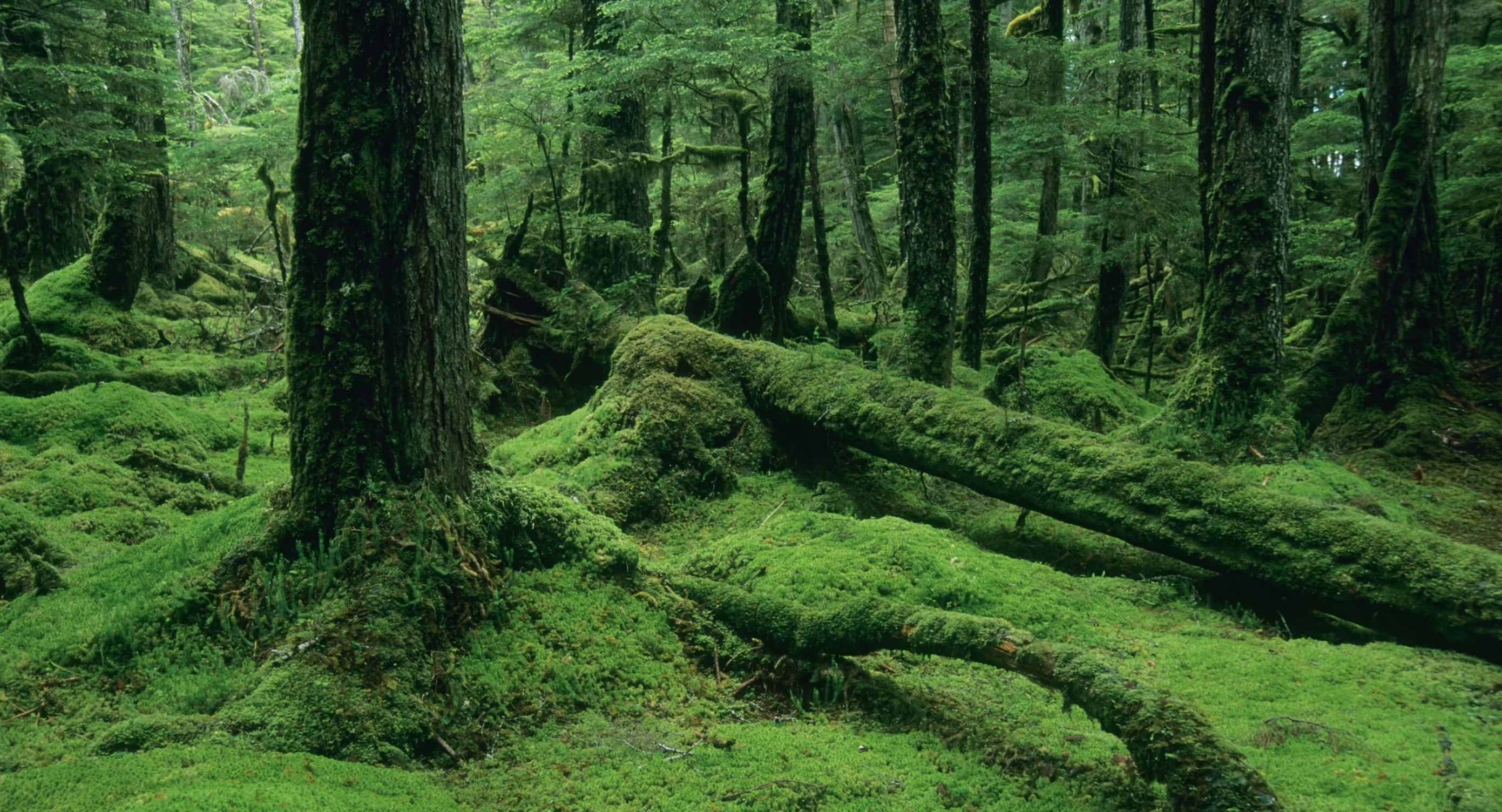
Southeast Alaska’s Tongass National Forest is America’s largest national forest. It’s home to vast wilderness, thriving wildlife, and one of the planet’s most powerful climate solutions. The old-growth forest stores about 8% of all the carbon in U.S. forests, making every acre critical. But industrial logging, road building, and extractive pressures threaten to unleash that carbon, fracture habitat, and undermine the forest’s value for climate, communities, and wildlife alike.
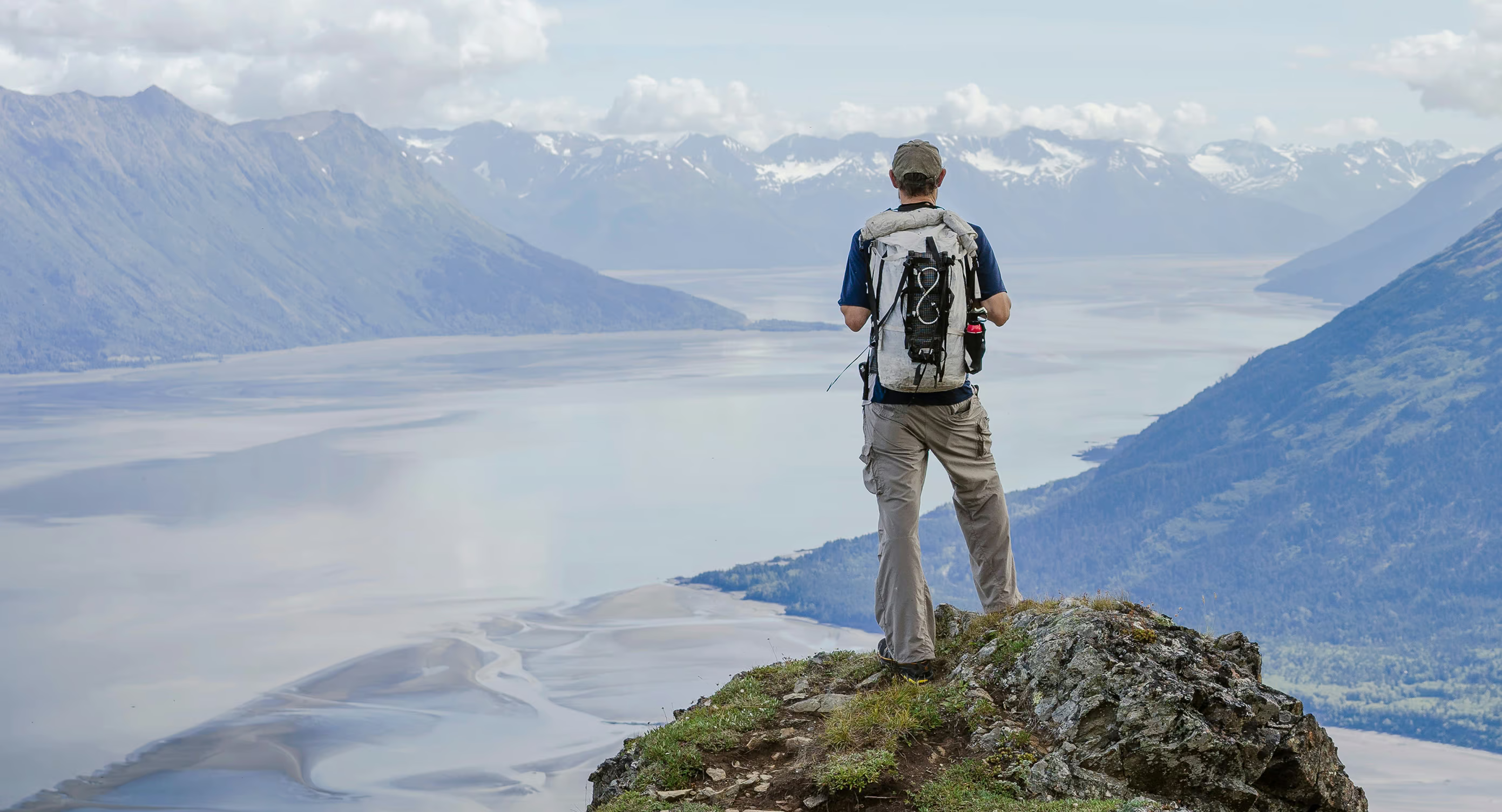
This giant northern forest is an economic engine for Alaska’s recreation economy. It is home to America’s largest wetlands, 20 tidewater glaciers, and vital salmon streams. With minimal roads, its pristine landscapes—from the Kenai Peninsula to Prince William Sound—store carbon and provide essential habitat for bears, mountain goats, and millions of birds, making its protection critical for outdoor enthusiasts in search of adventure as well as national climate and conservation goals.
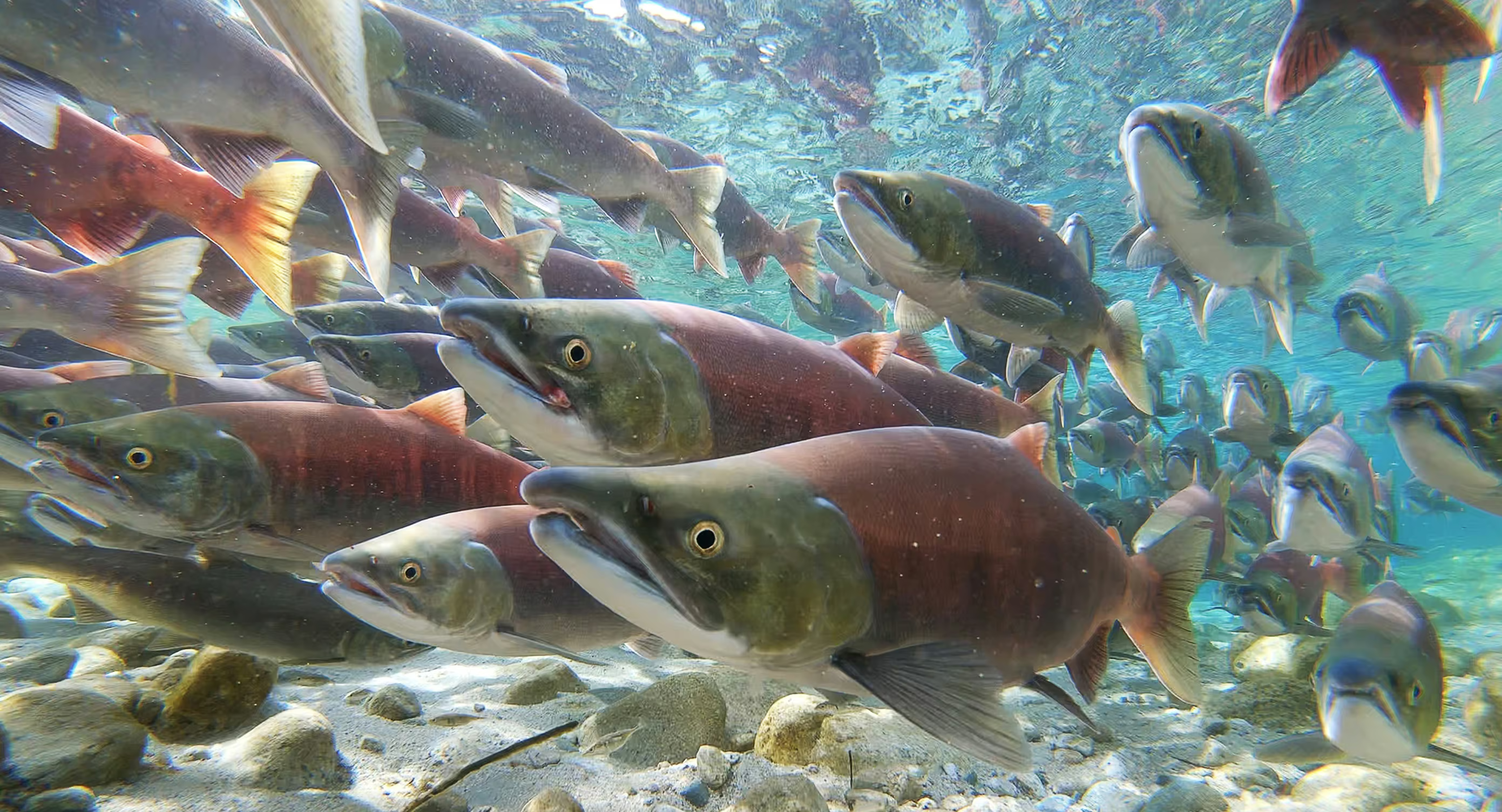
Bristol Bay is the largest wild sockeye salmon-producing region in the world and the last wild salmon powerhouse region in the United States. It’s home to the world’s greatest concentration of brown bears and its $2.2 billion fishery is a sustainable industry that provides for thousands of American families and helps feed the world. But proposed mining in the region threatens this entire watershed.
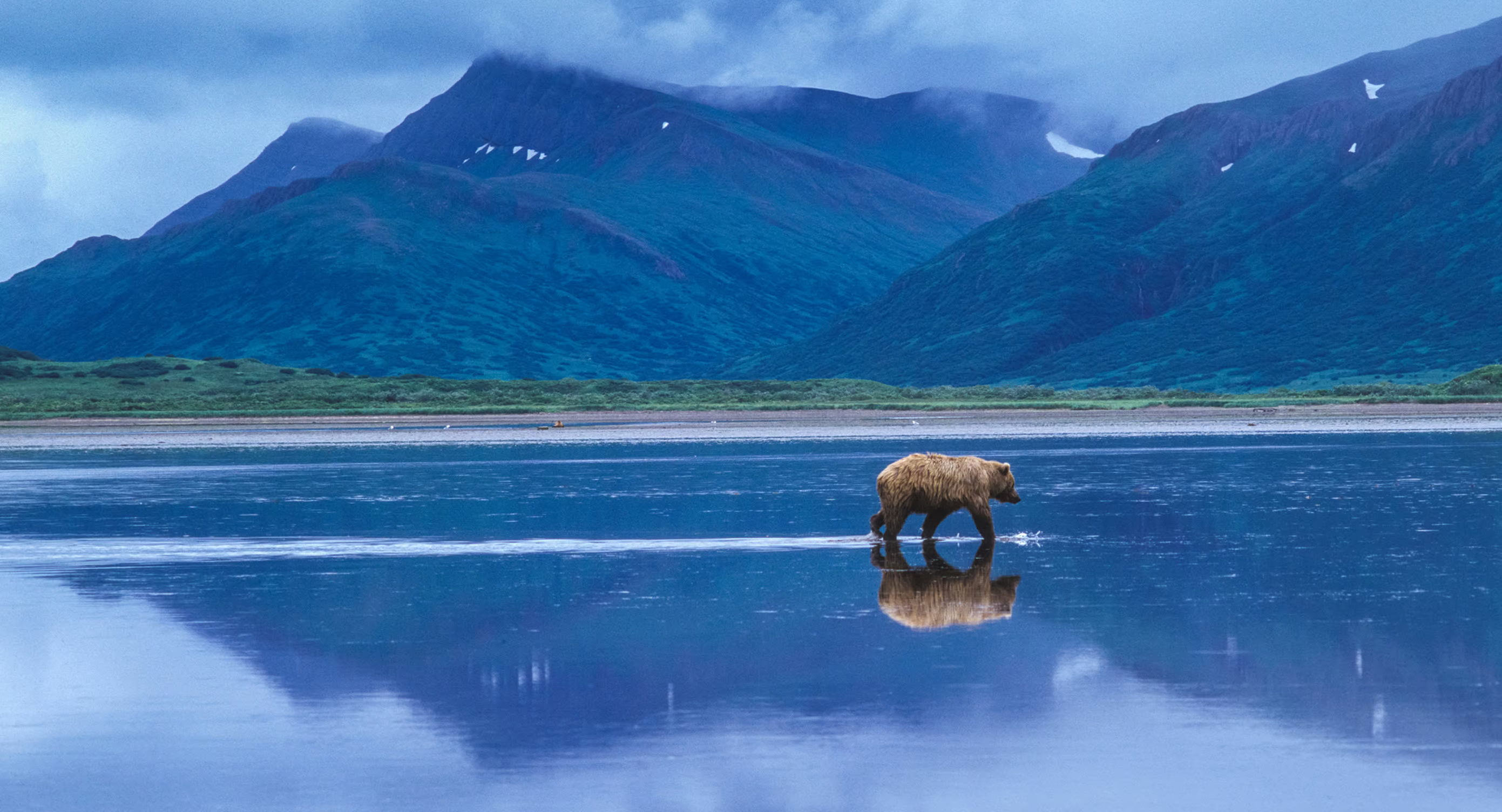
In the far southwest portion of the state, on the Aleutian island chain, Izembek is one of our country’s most ecologically unique federally designated wilderness areas. It protects more than 200 species of wildlife, including the entire world population of emperor geese that migrate through this refuge each spring and fall. A proposed road corridor threatens to cut through its wilderness, disrupt globally critical habitat, and erode protections built for generations.
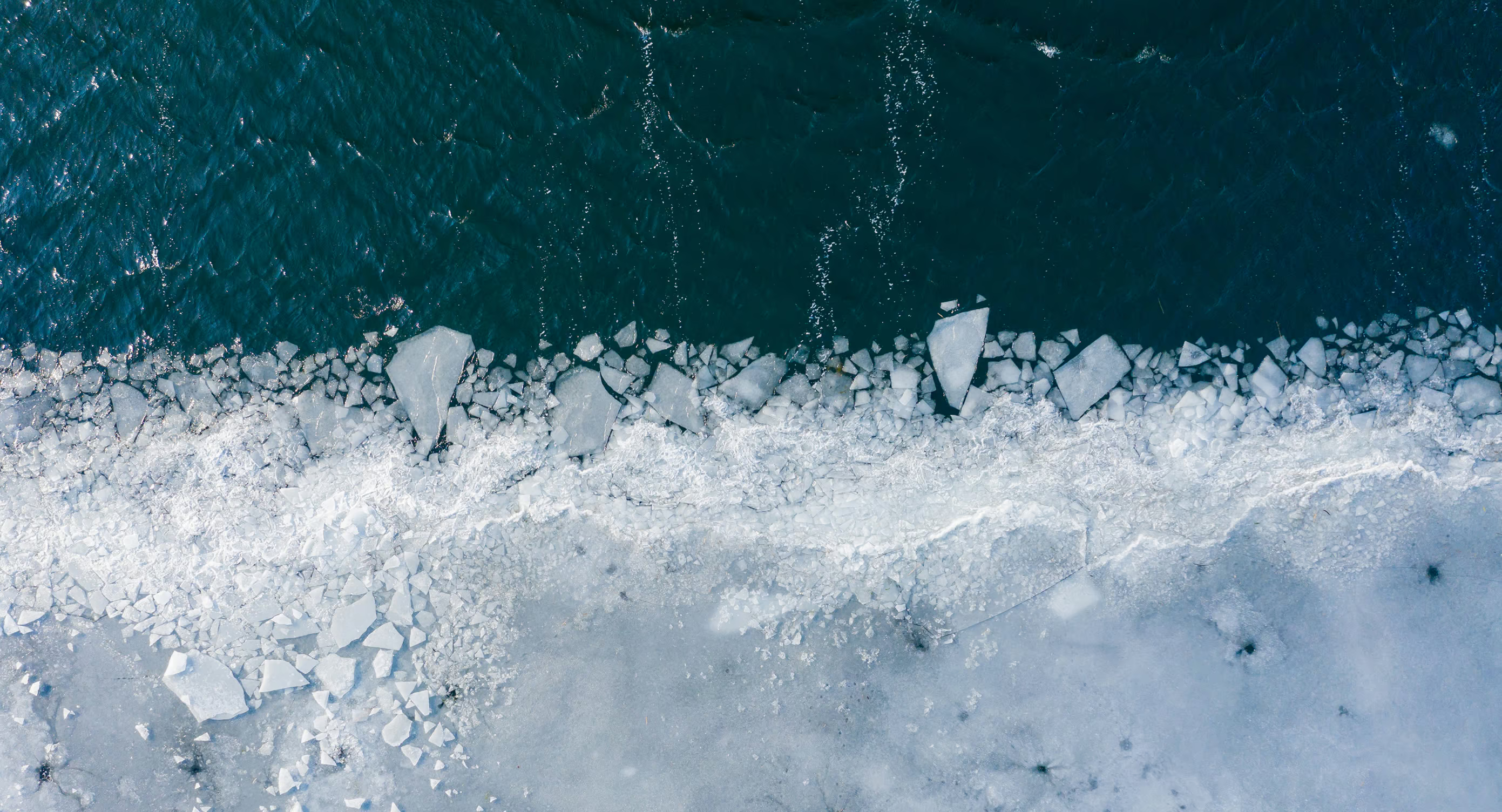
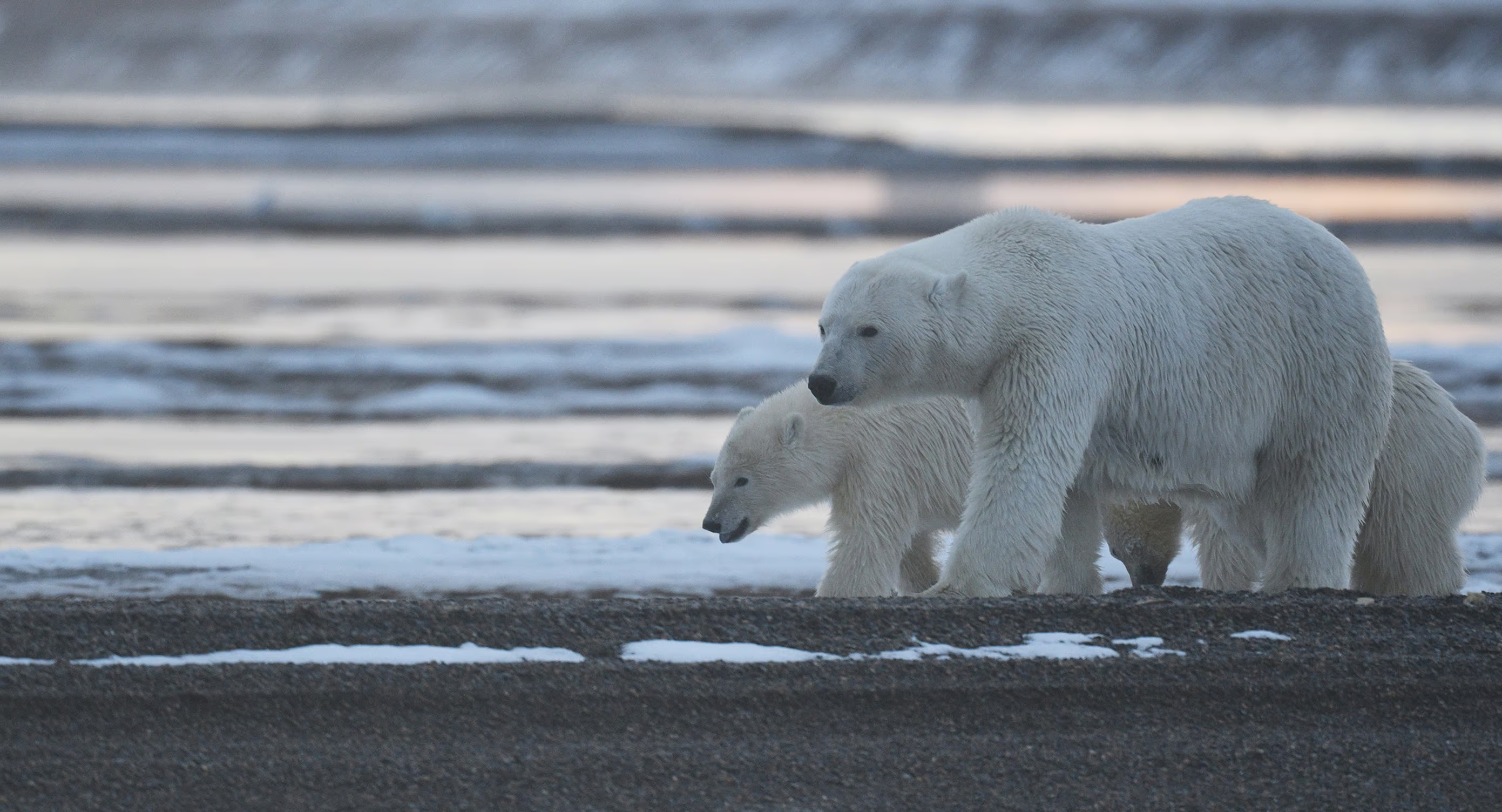
The Arctic Ocean is a living, breathing place, home to whales, seals, and polar bears, and central to Indigenous communities who have relied on these waters for generations. Its ice-covered seas help regulate the planet’s climate and sustain life found nowhere else. But today, climate change and plans for offshore drilling threaten to permanently alter this fragile ocean, putting wildlife, food sources, and ways of life at risk.